PPE Reimagined: Rethinking Protection for Today’s Fire Service
The gear fire fighters wear was built for yesterday’s fire ground. The IAFF’s PPE Reimagined initiative is redefining what protective equipment should be – lighter, smarter, and aligned with the real hazards fire fighters face today, from cardiac stress and PFAS exposure to lithium-ion battery fires. Informed by survey data, fire fighter interviews, and federally funded research, this is a roadmap for PPE that protects fire fighters for decades to come.
The Problem
Today’s fire fighters respond to more than structure fires – including battery fires, HazMat calls, technical rescues, wildland-urban interface incidents, and extended-duration operations. But most PPE standards still prioritize structural flame protection above all else, built on legacy assumptions from decades ago. The result: gear that’s often too hot, too heavy, and too restrictive for the job fire fighters actually do.
The Research
The IAFF’s PPE Reimagined project combined a national survey of nearly 600 fire fighters from close to 300 departments, in-depth interviews, and hands-on workshops. The findings:
- Heat stress is a major burden. Nearly half of fire fighters report heat stress on a quarter or more of their calls – and most are willing to trade some thermal protection for reduced physiological strain.
- Mobility matters. Nearly a third of fire fighters report mobility challenges on a significant share of their calls, regardless of experience level.
- One-size-fits-all doesn’t work. Fire fighters want modular, mission-specific PPE options – lighter and more breathable gear for non-structural responses, without sacrificing protection where it truly counts.
- Long-term health can’t be an afterthought. Concerns about PFAS, carcinogens, and cumulative toxic exposure are driving demand for safer materials and smarter gear lifecycles.
The Future
PPE Reimagined lays out a path toward next-generation protective equipment built around real fire ground risk – not just legacy testing criteria. That means:
- Revisiting outdated standards and test methods that may no longer reflect real-world conditions
- Developing modular PPE options for different mission profiles, from EMS to wildland to structural response
- Advancing contamination control, better decontamination methods, and PFAS-free materials
- Preparing gear for emerging hazards like lithium-ion battery and energy-storage-system fires
- Bringing fire fighters, manufacturers, and standards bodies together earlier and more often throughout the design process
IAFF Code of Conduct for Fire Fighter PPE
Every decision made in a manufacturing plant or design lab eventually reaches a fire fighter on the fire ground. The IAFF’s Code of Conduct for Fire Fighter Protective Clothing, Station Wear, and Equipment puts that responsibility into writing.
Manufacturers and distributors who sign the code commit to a shared set of standards covering product safety, transparency, and accountability, with fire fighter safety placed above commercial or competitive interests.
By signing, manufacturers and distributors commit to:
- Putting the fire service first. Prioritizing fire fighter safety over commercial, competitive, or financial considerations.
- Safe and compliant design. Meeting or exceeding NFPA, ASTM, ISO, and other applicable standards, and keeping products free of restricted substances prohibited under NFPA 1970 and related regulations.
- Truthful representation. Keeping marketing, labeling, and technical documentation accurate and verifiable, without misrepresenting product claims or certifications.
- Transparency and disclosure. Providing non-proprietary information about product components and performance characteristics relevant to fire fighter safety.
- Anticipating hazards. Proactively assessing emerging risks and environmental exposures, and building in safeguards wherever possible.
- Timely communication of problems. Investigating safety concerns promptly and communicating confirmed risks to fire fighters without undue delay.
- Integrity and honesty. Holding to the highest ethical standards in every communication with fire fighters, fire departments, regulators, and the public.
- Enforcement and accountability. Treating violations of the code seriously and correcting them with appropriate accountability.
Manufacturers and Distributors Who Have Signed
The following companies have signed the IAFF Code of Conduct for Fire Fighter PPE:
- PGI
- Carna Bunker Gear
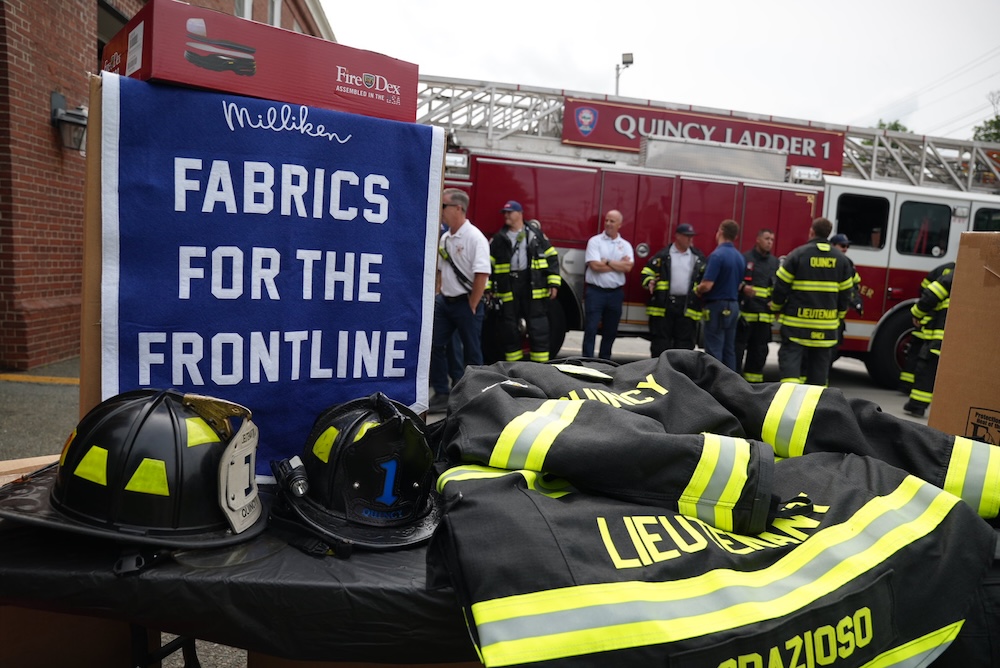
- Milliken
IAFF will add manufacturers and distributors to this list as they sign the code.
PFAS Testing Guidance
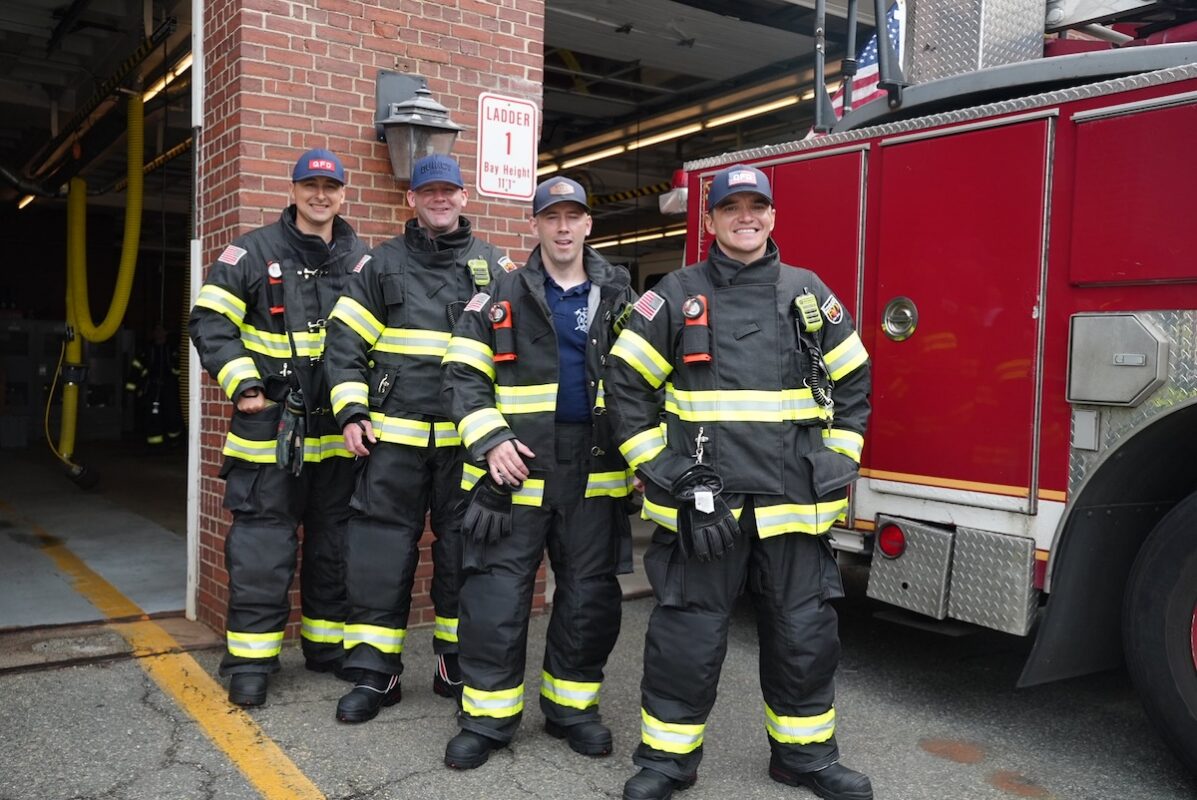
The IAFF has developed independent testing guidance to help departments verify PFAS-free claims – including how to select a sample, choose a qualified lab, and interpret results.
Get Involved
PPE Reimagined is an ongoing initiative, funded in part by DHS/FEMA. Explore the full research, findings, and recommendations below.
-
View
PPE Reimagined: Insights and Recommendations for a National Change in Perspective
December 2025
Key findings and recommendations from the IAFF PPE Reimagined initiative, calling for a national change in perspective on fire fighter PPE, including PFAS exposure.
-
View
PPE Reimagined: Rethinking Fire Service PPE
December 2025
An IAFF report rethinking fire service PPE, examining PFAS exposure, heat strain, and a smarter, more responsive protection paradigm for turnout gear.
-
View
PPE Reimagined: A Discussion on the Future of Structural Firefighting PPE
March 2025
Highlights from the Houston Fire Department IAFF input meeting on the future of structural firefighting PPE and turnout gear procurement standards.