Fighting fires in the heat is part of the job. Recovering in it between calls shouldn’t be.
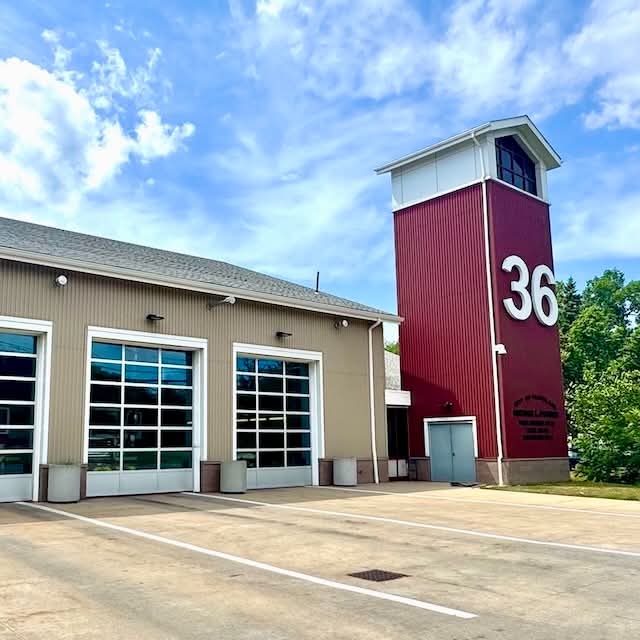
This summer, the heat followed crews back to Cleveland Fire Station 36.
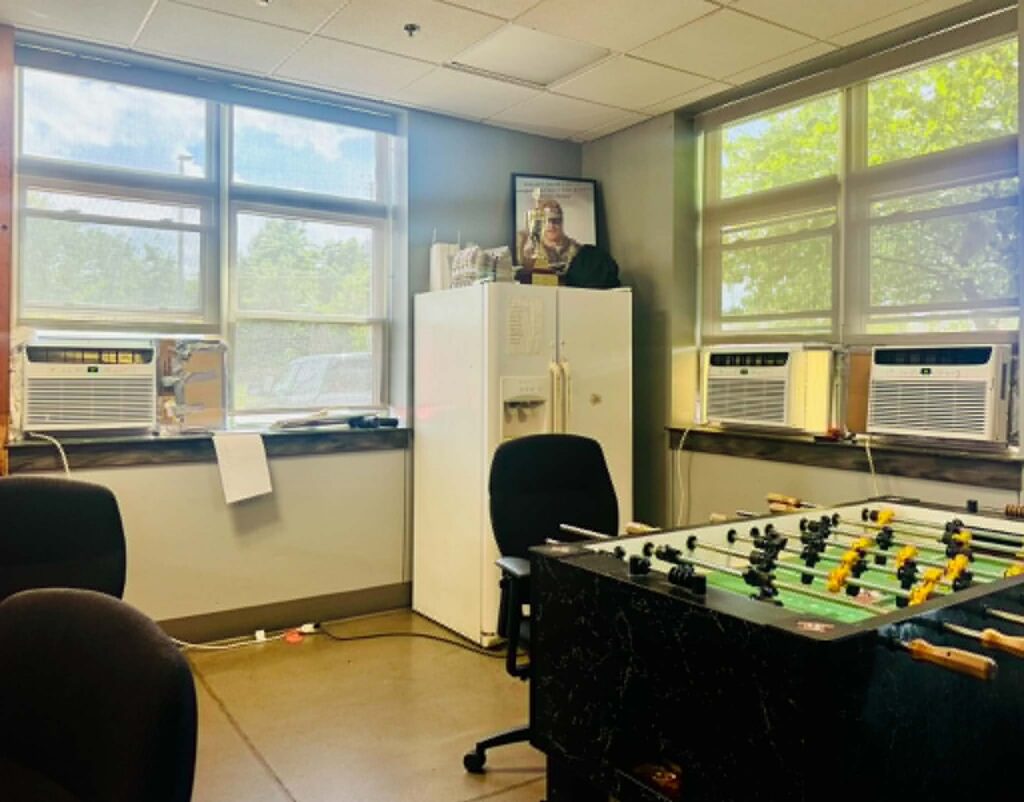
For months, members of Cleveland, OH, Local 93 worked without functioning air conditioning as temperatures inside the station climbed. Crews faced weeks of high temperatures, humidity, and poor air quality, with indoor temperatures eventually reaching 89.7 degrees.
The conditions turned what should be a place for recovery into a hazard of its own. “This is not about comfort; it’s about fire fighter safety and our ability to safely protect the public,” said Jake Konys, Local 93 president. “City Hall was shut down due to poor outdoor air quality, but our crews are expected to sit in the heat, then run into burning buildings. This puts our fire fighters at risk of severe health emergencies, and the Department of Public Safety has been aware of these problems for months.”
This is not about comfort; it’s about fire fighter safety and our ability to safely protect the public.
Jake Konys, cleveland, oh Local 93 president
A safe place between calls
Across the United States and Canada, periods of record-breaking heat are exposing unsafe conditions inside firehouses. Fire fighters routinely work in extreme temperatures on the fireground, but they also need stations where they can recover, train, sleep, and prepare for the next emergency.
Fire Station 36, which is approximately 10 years old, has experienced recurring HVAC problems for years. The station’s energy-efficient system is remotely monitored and controlled, leaving crews unable to regulate the temperature in their own workplace. In the winter, fire fighters have often had to open windows because the station overheats.
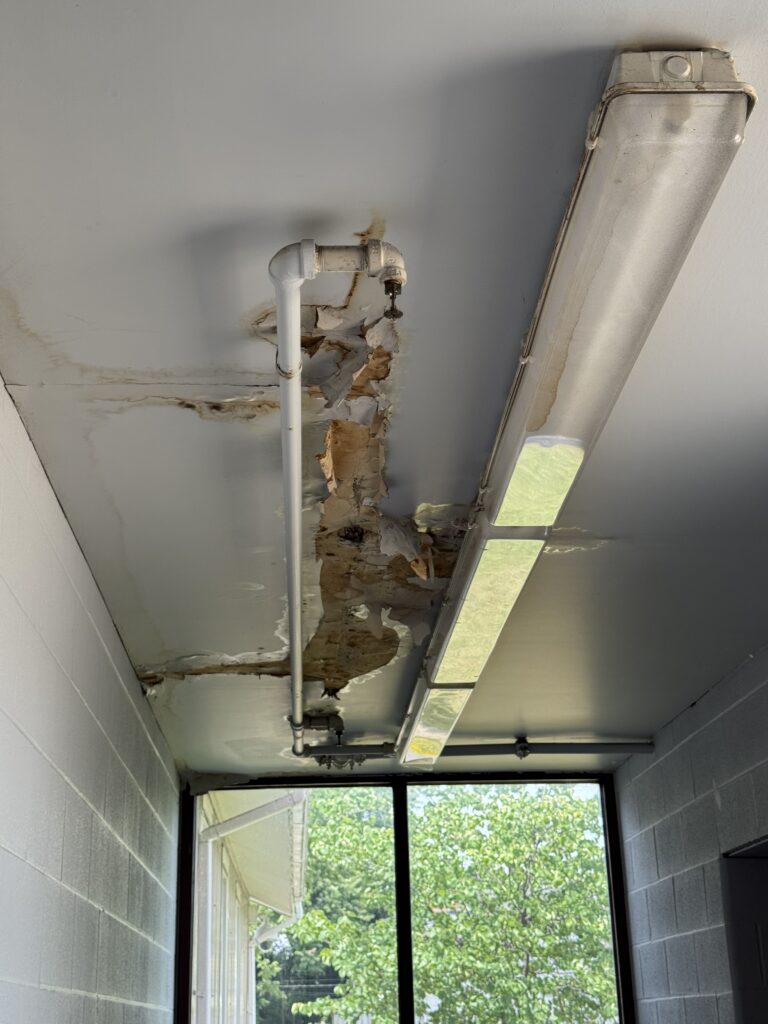
“This isn’t a new issue,” Konys said. “The city has known about the problems with this HVAC system for years. We’ve consistently pushed for repairs before winter, when the heat fails, and before summer, when the air conditioning fails. Instead, our members continue paying the price.”
As temperatures continued to rise, Local 93 urged city officials to act.
Nearly three weeks before Local 93 made the conditions public, the Local asked the city to rent and install temporary commercial-grade air-conditioning units due to an unclear timeline for permanent repairs.
“I contacted our public safety officials and told them that if the system couldn’t be repaired immediately, other options, such as renting commercial units, needed to be considered,” Konys said. “Nothing happened, so I went to the station myself to check on our crews and document what they were working in.”
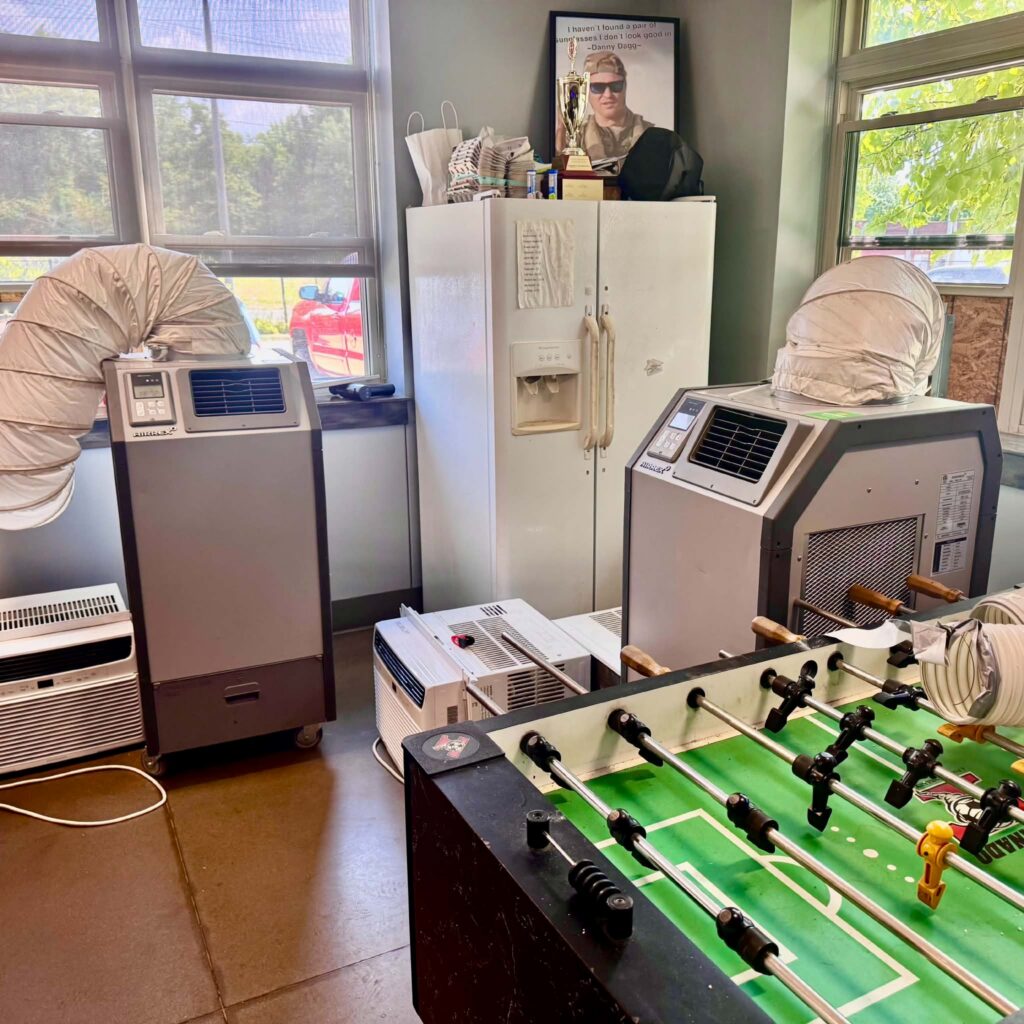
Frustrated by the delay, Local 93 members purchased their own window air-conditioning units to help reduce temperatures inside the station.
“When you’re seeing nearly 90 degrees inside a fire station, that’s a failure,” Konys said. “Our members shouldn’t have to spend their own money to make a city-owned fire station habitable.”
Local 93 documented the situation and brought it to the public’s attention.
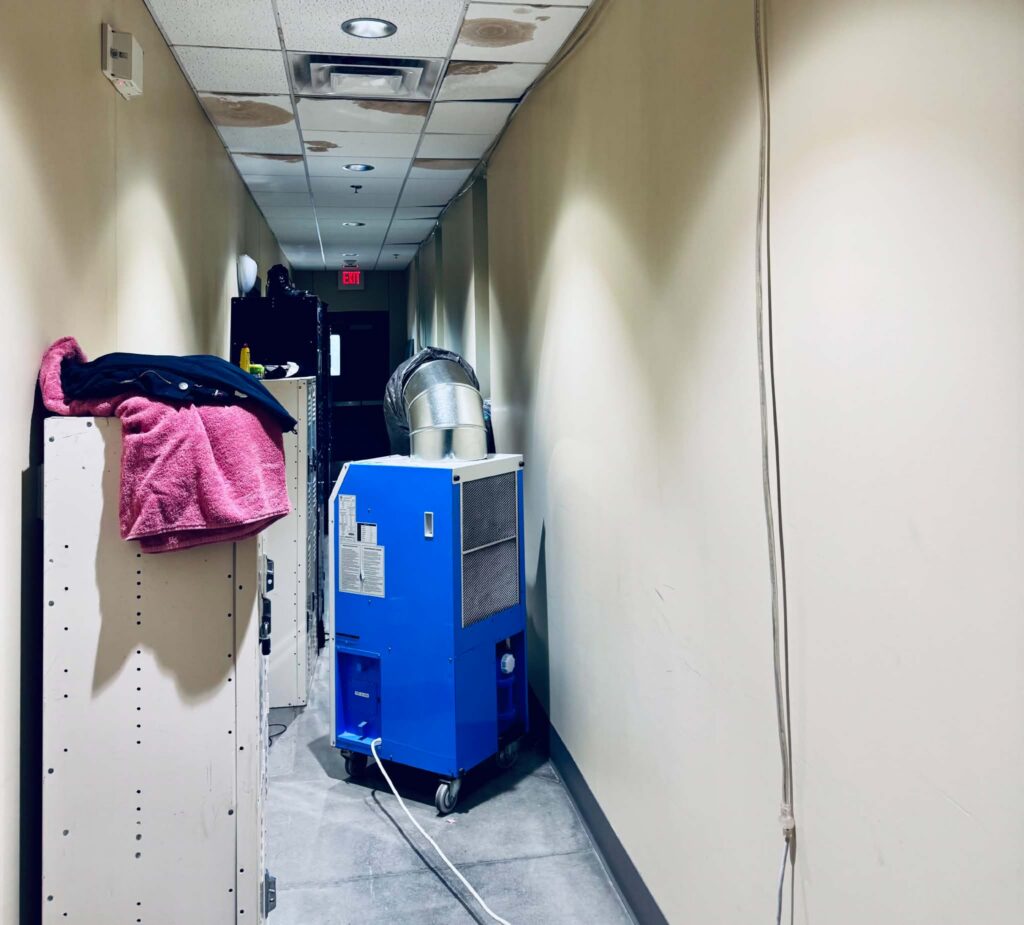
“The public response was overwhelmingly supportive of our fire fighters. That support got the attention of city leaders and state officials, and within days, commercial cooling units arrived at the station,” Konys said.
A growing challenge
Cleveland is not alone.
Departments have reported failing HVAC systems in stations and emergency vehicles without working air conditioning, exposing fire fighters to dangerous heat before they even arrive at an emergency.
In Columbus, Ohio, multiple fire stations experienced air conditioning failures during periods of extreme heat.
Baltimore, MD Local 964 has also raised concerns about emergency vehicles operating without functioning air conditioning.
“Our members are routinely exposed to dangerous cab temperatures exceeding 100 degrees,” said Local 964 President Josh Fannon. “Heat stress is a serious occupational hazard that adds to the physical demands of the job and increases long-term health risks.”
In Cleveland, the problem also extends beyond the firehouse.
“None of our frontline fire apparatus has air conditioning, which only underscores the urgent need to ensure our stations’ HVAC systems are properly maintained. Local 93 has been advocating for years for AC on our trucks,” Konys said. “You can’t buy a passenger vehicle today without AC, yet we’re expected to respond to emergencies in fire trucks that cost millions of dollars without it.”
Like many departments across North America, Cleveland has also felt the effects of the fire truck crisis.
“We finally started receiving new apparatus this year,” Konys said. “But without reserve trucks, it only takes one vehicle going out of service before fire fighters are again responding with broken or unavailable equipment.”
Permanent repairs at Station 36 remain underway. For Konys, the standard is straightforward.
“Protecting fire fighters means giving them the conditions they need to perform at their best when lives are on the line,” he said.