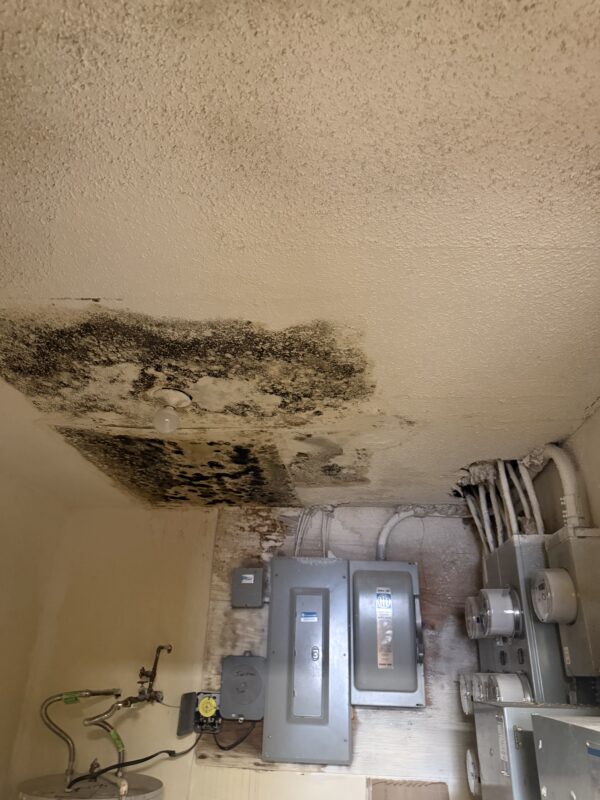
Water stains spread across ceilings. Mold creeping through walls. Sewage leaks. Toxic fumes drifting into living quarters.
Fire fighters leave hazardous environments after calls expecting the station to be a place to recover and prepare for the next emergency. But in departments across the country, the firehouse itself is becoming another source of exposure.
In Columbia, South Carolina, fire fighters have been working in conditions like these for years. Infrastructure failures now plague more than half of the city’s 32 firehouses.
The result?
Local 793 members say deteriorating station conditions are making fire fighters sick, triggering respiratory problems, headaches, burning eyes, and other health issues associated with mold exposure, diesel exhaust, and failing infrastructure.
One firehouse, Fire Station 14, was deemed uninhabitable after a full facility review found toxic fumes leaking from the apparatus bay into the living quarters, sewage leaks, and other serious issues. Staff and apparatus assigned to the station have since been relocated.
These issues are not new. We have reached this point because some of our firehouses are long overdue for replacement and not properly addressing maintenance issues. However, there is a budget proposal on the table right now that would fund the replacement of some of our older fire stations and renovate others. We are ready to do our part to see this through so that our fire fighters have healthier environments to work in.
Local 793 President Josh Moskaitis
“These issues are not new. We have reached this point because some of our firehouses are long overdue for replacement and not properly addressing maintenance issues,” Local 793 President Josh Moskaitis said. “However, there is a budget proposal on the table right now that would fund the replacement of some of our older fire stations and renovate others.
“We are ready to do our part to see this through so that our fire fighters have healthier environments to work in.”
Deteriorating conditions in firehouses create health hazards that can trigger respiratory illnesses, cardiovascular disease, and elevated cancer risks. And these conditions are not uncommon. That’s why the IAFF urges affiliates to treat station conditions as an occupational health issue, not simply a maintenance problem.
For this story, we spoke to fire fighters in South Carolina, Kansas, and California. But recent media reports have uncovered similar issues in Virginia, Michigan, and elsewhere.
Irregular maintenance leads to health hazards
In Columbia, fire station maintenance issues have largely been ignored for several years. City records show that fire fighters have repeatedly reported unsafe conditions and the need for repairs.
In 2023, the city commissioned Emergency Services Consulting International evaluate the conditions of city fire stations. The study evaluated several stations for safety, health and fitness standards, living conditions, growth potential, and deployment compliance. The review found that none met the minimum renovation threshold and recommended replacing them.
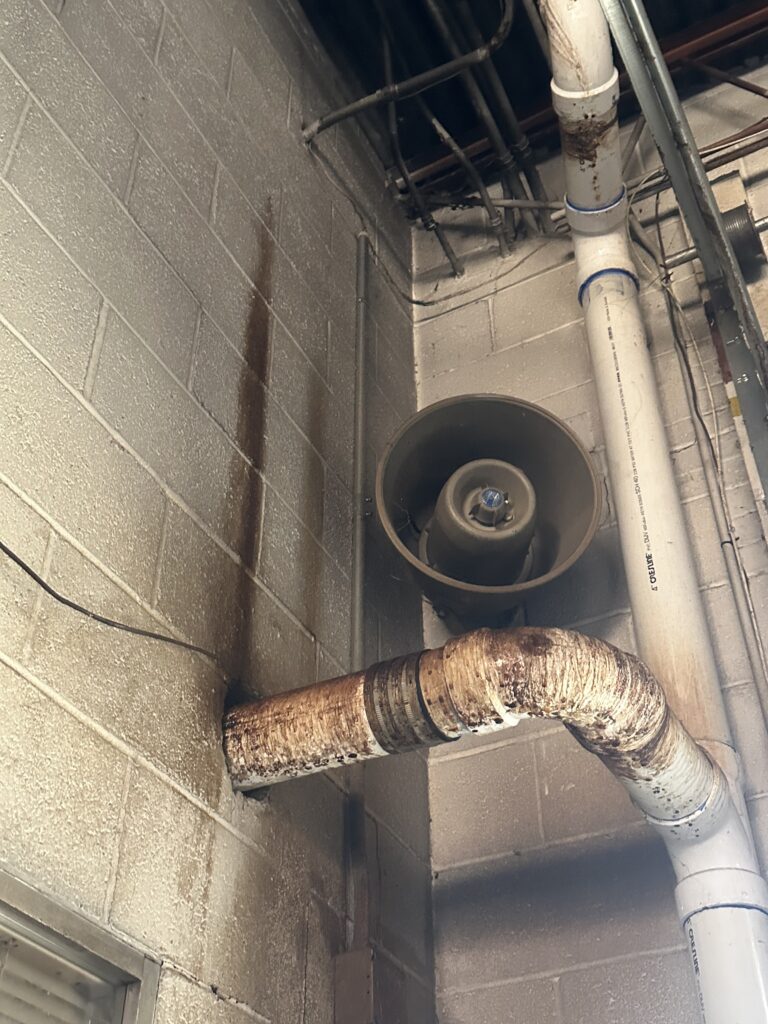
Unsafe conditions, such as diesel exhaust and sewage leaks found at Station 14, pose serious health risks. Diesel exhaust exposure can cause headaches, dizziness, and skin irritation, while repeated exposure may increase the risk of cardiovascular and respiratory disease.
Sewage leaks have the potential to lead to gastrointestinal illnesses such as E.coli, skin issues, and respiratory illness.
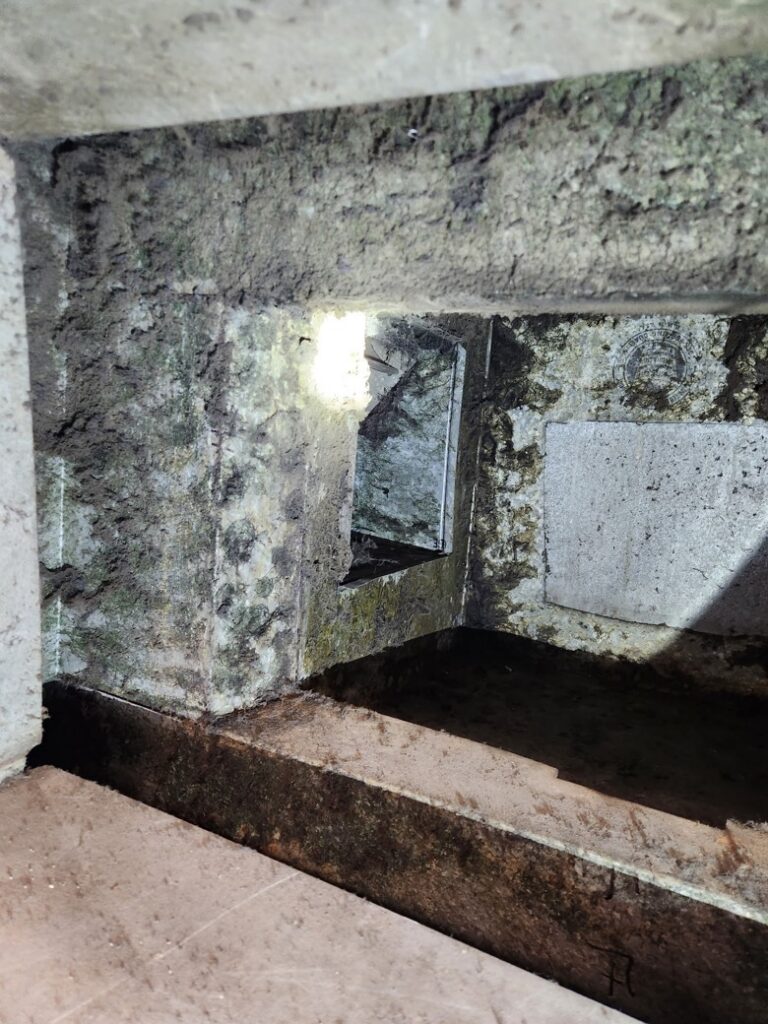
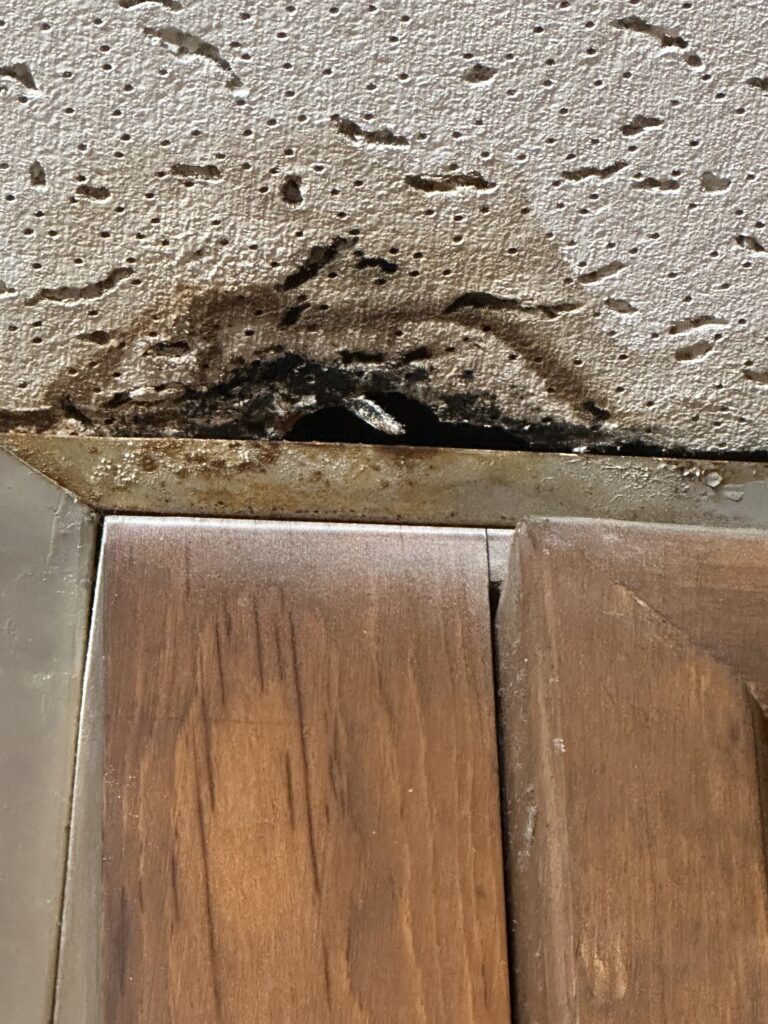
Maintenance records show repeated requests to fix leaky roofs have been met with temporary patches rather than permanent fixes. As a result, recurring leaks led to mold growth in several stations. In Station 11, for example, the attic has been taped shut because the mold is so severe.
According to the CDC, mold exposure can lead to respiratory illnesses that can feel similar to severe allergies. People with compromised immune systems can develop fungal infections and pneumonia.
“We had one fire fighter who was forced to retire because the fire station he was assigned to was making him sick. And that’s just unacceptable,” Moskaitis said. “No one would choose to live in these conditions, so we should not be forced to work in them.”
Mold should not be ignored
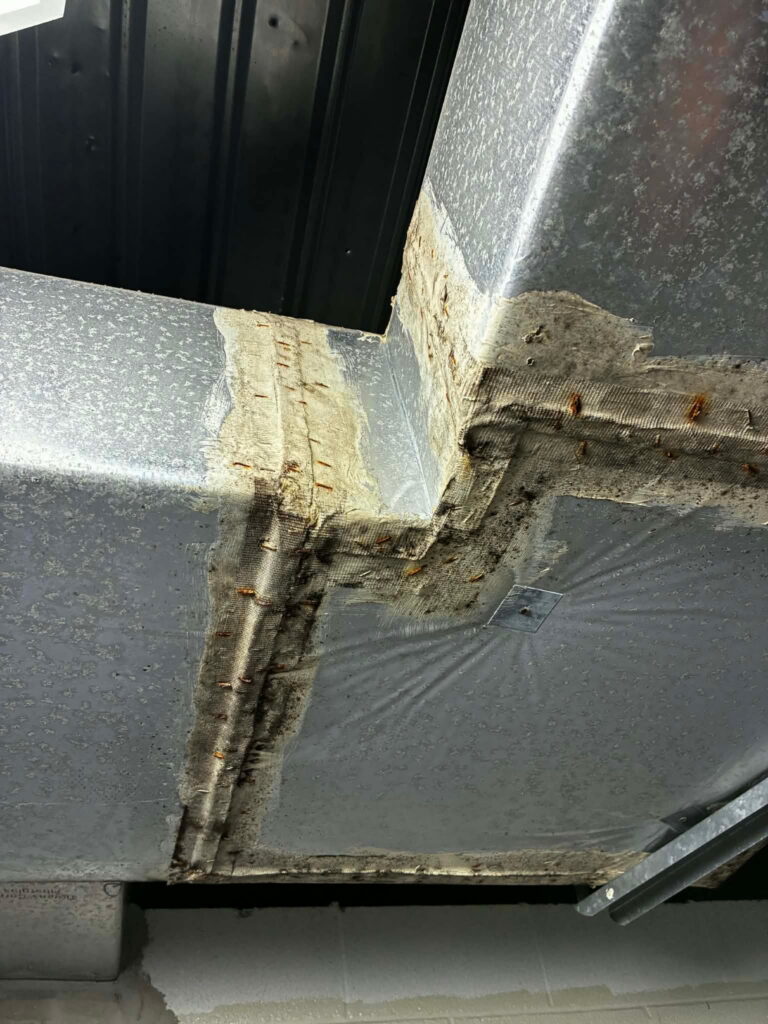
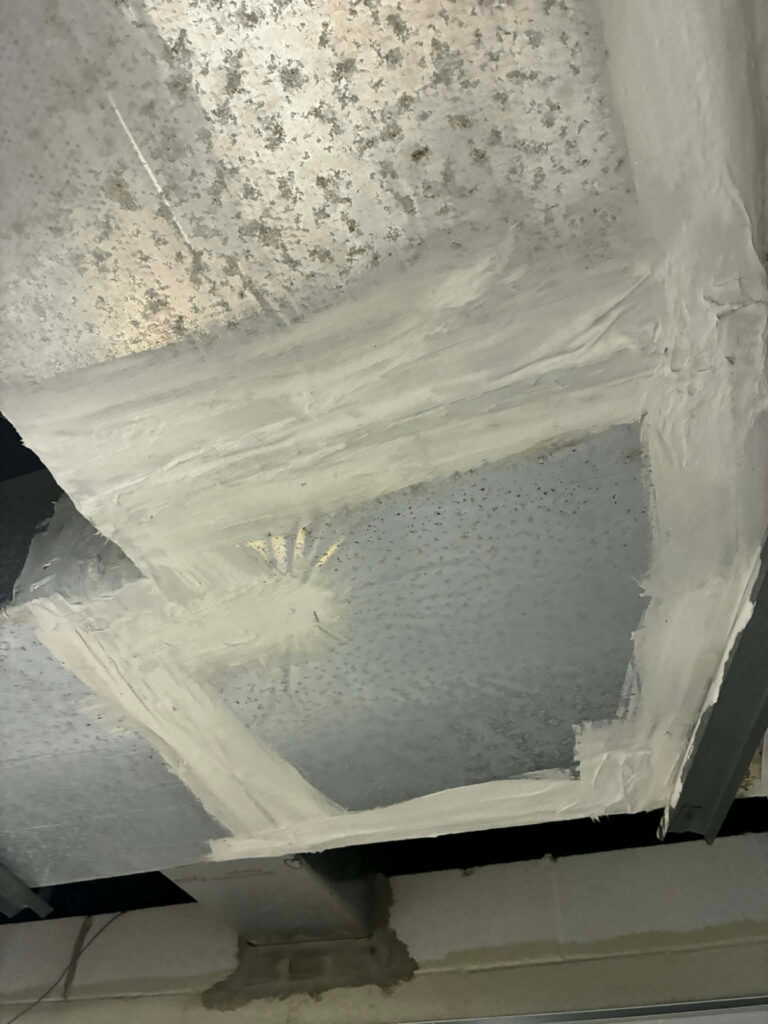
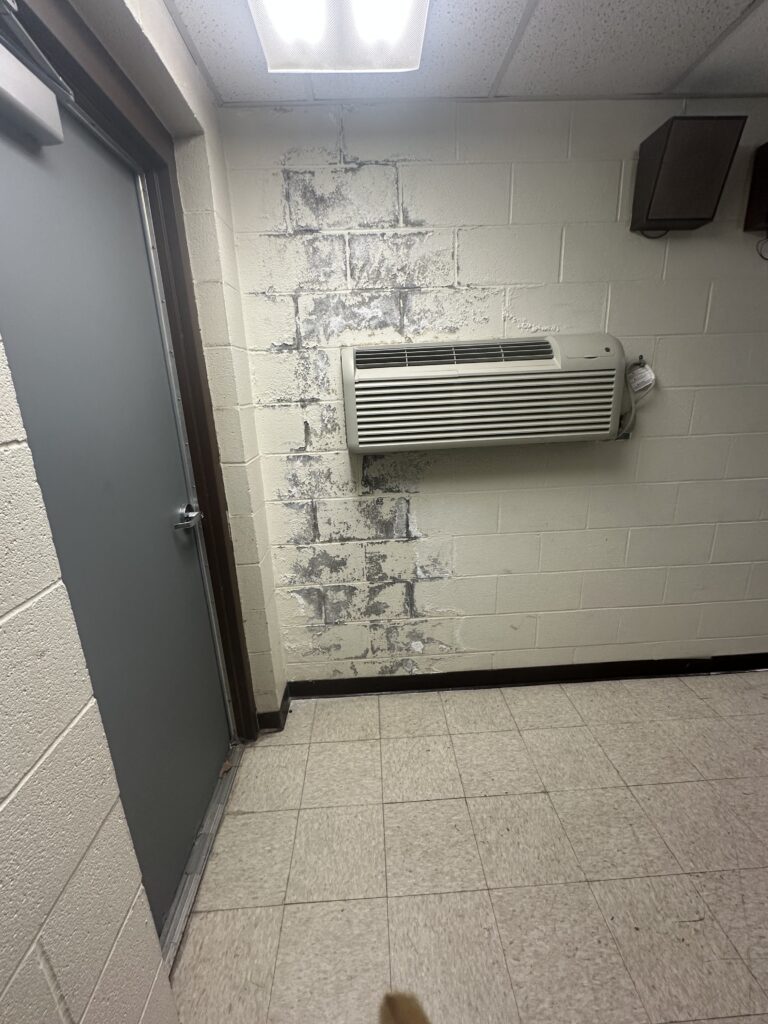
In Wichita, Kansas, Local 135 fire fighters have reported burning eyes, noses and throats linked to mold exposure.
Mold was first reported in 2018 when a city employee who was not a fire fighter was in one of the stations for a class. She noticed the mold and refused to re-enter the building.
Despite the concern, little action followed. Eventually, with pressure from Local 135 and others, the city authorized inspections and environmental studies of all fire stations this past October.
“The IAFF Division of Health, Safety, and Medicine staff has been guiding me through this process, keeping me on track with what I need to do to ensure these problems are addressed,” Local 135 President Ted Bush said. “In the end, we just want healthy fire stations.”
Findings released earlier this year showed mold contamination in 20 of the city’s 22 fire stations. Investigators linked much of the mold contamination to deferred building maintenance, including persistent roof leaks. Stations 15, 11, 3, and 13 were identified as having some of the most severe conditions.
Mitigation efforts were underway at Station 15 in February when the cleaning crew removing ceiling tiles released mold into the air, prompting the evacuation of the station. Fire fighters assigned there were temporarily reassigned to other stations until the station could be fully cleaned.
A referendum to implement a 1 percent sales tax would have generated some of the needed revenue to better address the mold issue. However, it was voted down by the citizens.
“That is disappointing,” Bush said. “But mitigation must continue. We cannot serve the community at the level that they need and deserve if fire fighters are getting sick from constant exposure to mold.”
Temporary structures. Permanent problems.
In San Diego, land was cleared for a new Station 51 in 2015. A vinyl structure was erected to serve as a temporary station until a permanent facility could be built. The project was supposed to be finished within two or three years.
More than a decade later, fire fighters are still responding to emergencies out of their temporary home, which has created several safety risks, including an unstable structure, no relief from the outside temperatures and rainwater leaking in.
“Temperatures in the summer can get up to 120, making sleep difficult and putting us at risk for heat-related illness,” Local 145 President George Duardo said. According to the Occupational Safety and Health Administration, those illnesses include heat stroke and cardiovascular strain.
The Station 51 structure also lacks adequate space to store and clean gear between calls. This makes decontamination and cancer prevention protocols difficult to follow. While they can send dirty gear to another facility for cleaning as the IAFF recommends, the conditions remain far from ideal.
“This is not what a modern fire station should look like, and it certainly does not meet national safety standards,” Duardo said. “The city needs to make good on the promise they made 11 years ago and build a permanent structure.”
This is not what a modern fire station should look like, and it certainly does not meet national safety standards. The city needs to make good on the promise they made 11 years ago and build a permanent structure.
Local 145 President George Duardo
While there is no stand-alone NFPA standard dedicated to fire station design, there are applicable requirements within several standards. NFPA 1550 has a chapter on facility safety and NFPA 1500 has a dedicated chapter on decontamination control in fire department facilities.
While building, electrical, and fire codes establish minimum requirements for occupied structures, fire fighters across the country are still working in stations with serious health and safety dangers.
Mold, diesel exhaust, inadequate decontamination spaces, and failing infrastructure may appear to be maintenance problems on the surface. But for fire fighters, they can quickly become occupational health issues. The IAFF encourages affiliates facing similar concerns to contact the Division of Health, Safety, and Medicine for guidance and resources