The hardest part of a fire fighter or emergency medical worker’s job doesn’t always end when the call is over.
Repeated exposure to traumatic incidents, high-stress emergencies, and difficult calls can take a toll, even long after crews return to the firehouse.
For Port Coquitlam, BC Local 1941, supporting members means recognizing that reality and making behavioral health a critical part of fire fighter health and safety.
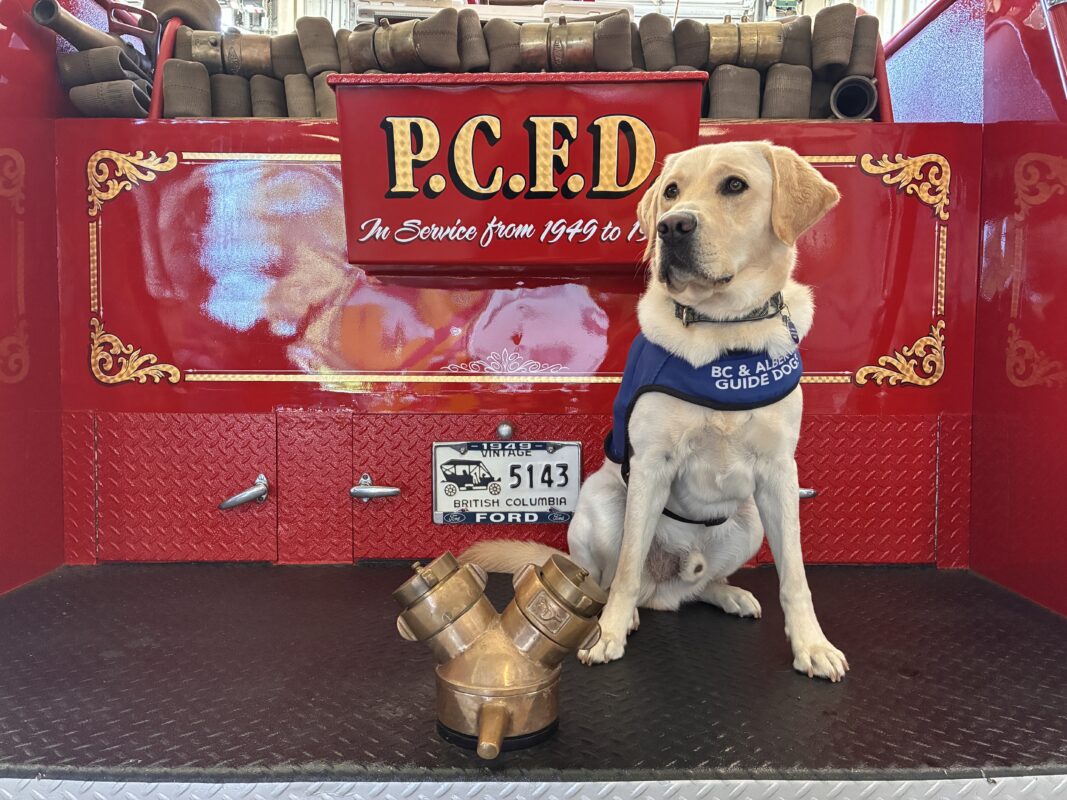
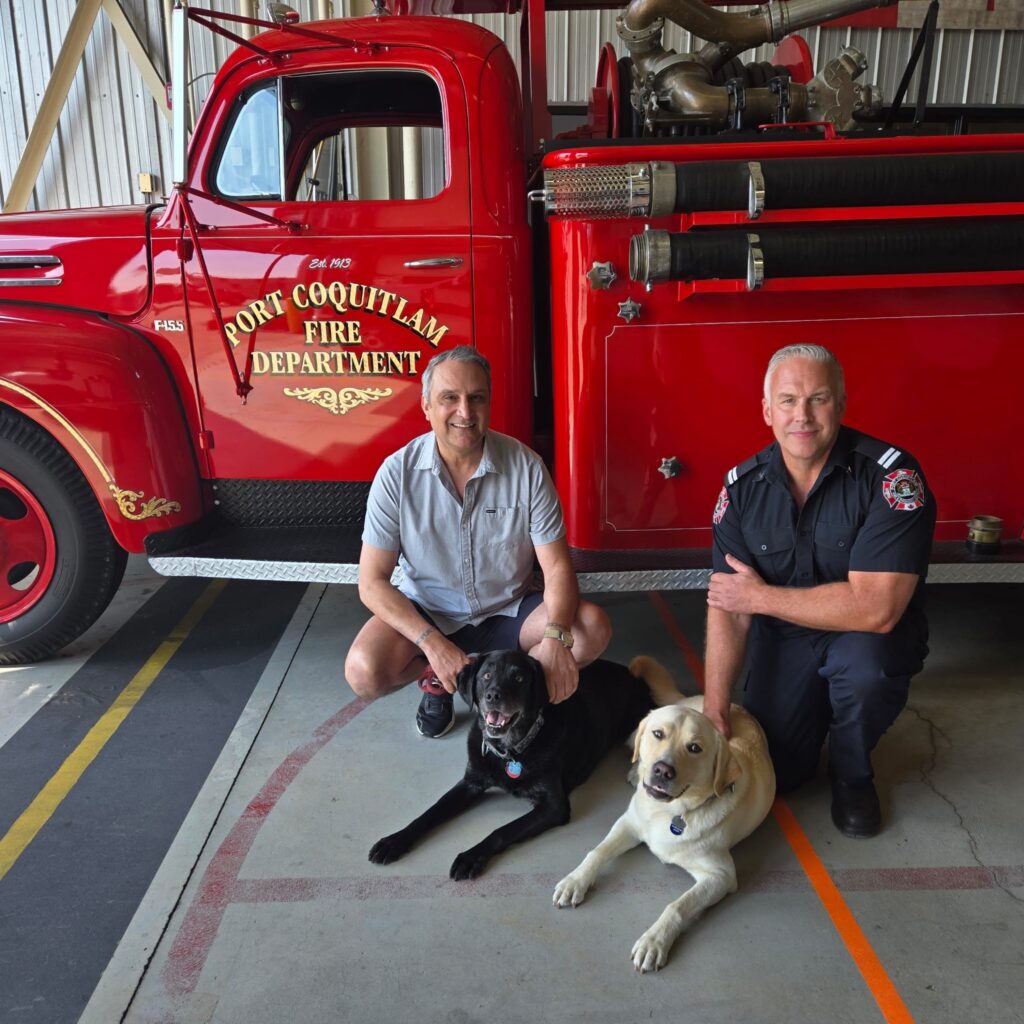
That’s where Phil, an almost 2-year-old golden lab, comes in.
“He’s going to be two years old on September 4, so he’s still quite the puppy,” said Local 1941 President Brandon Dougan. “He likes to play, and he’s just a really outgoing dog.”
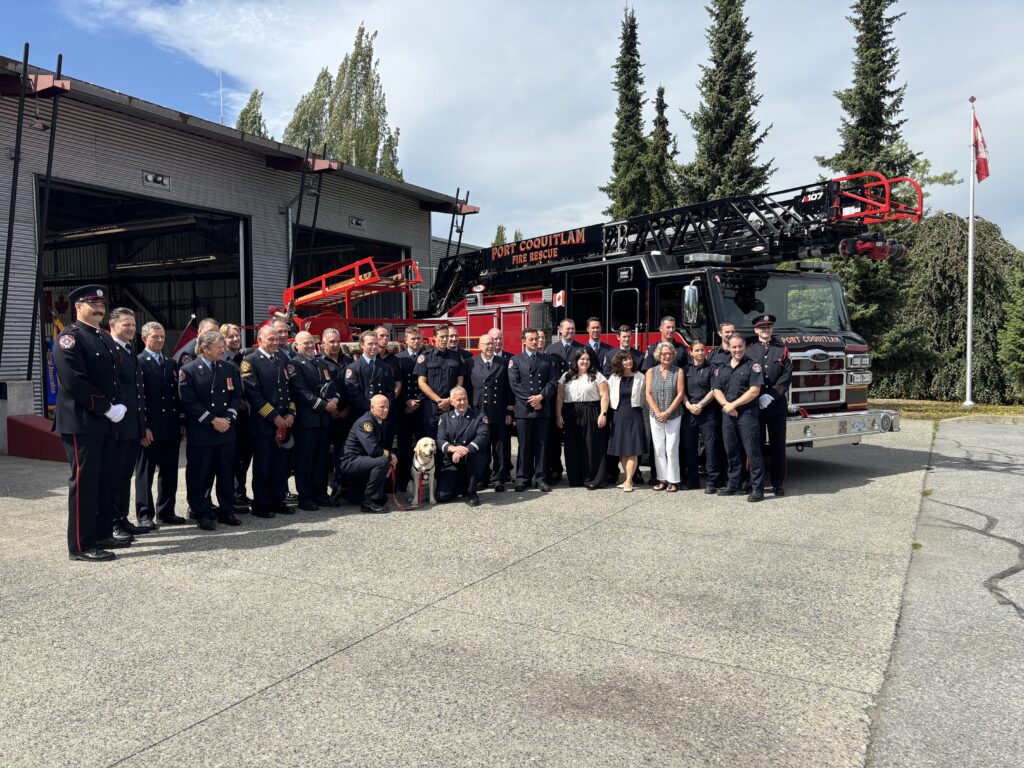
But Phil has an important job as part of the Port Coquitlam Fire & Emergency Services Operational Stress Intervention Dog Program. He was officially sworn in during a ceremony on August 16. He even has his own official badge number.
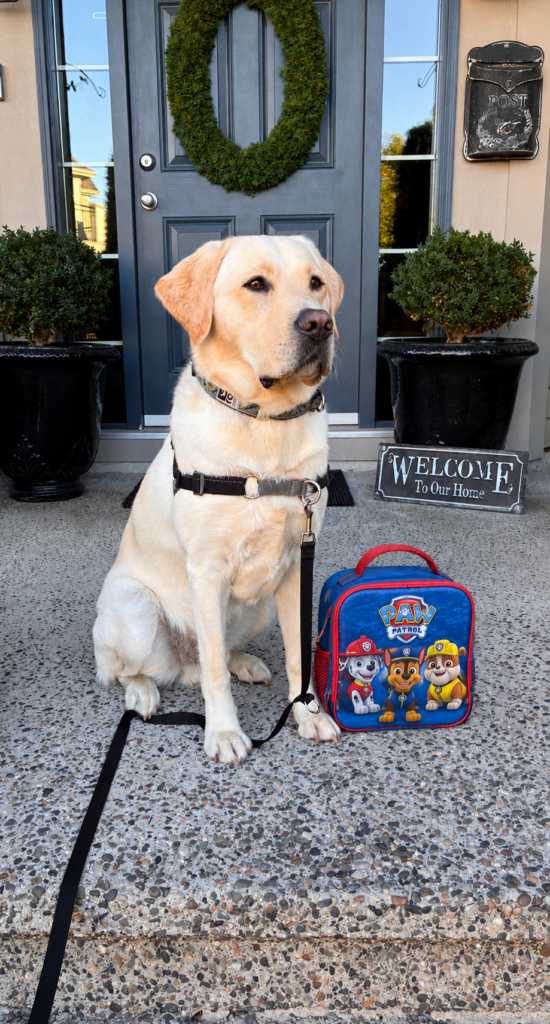
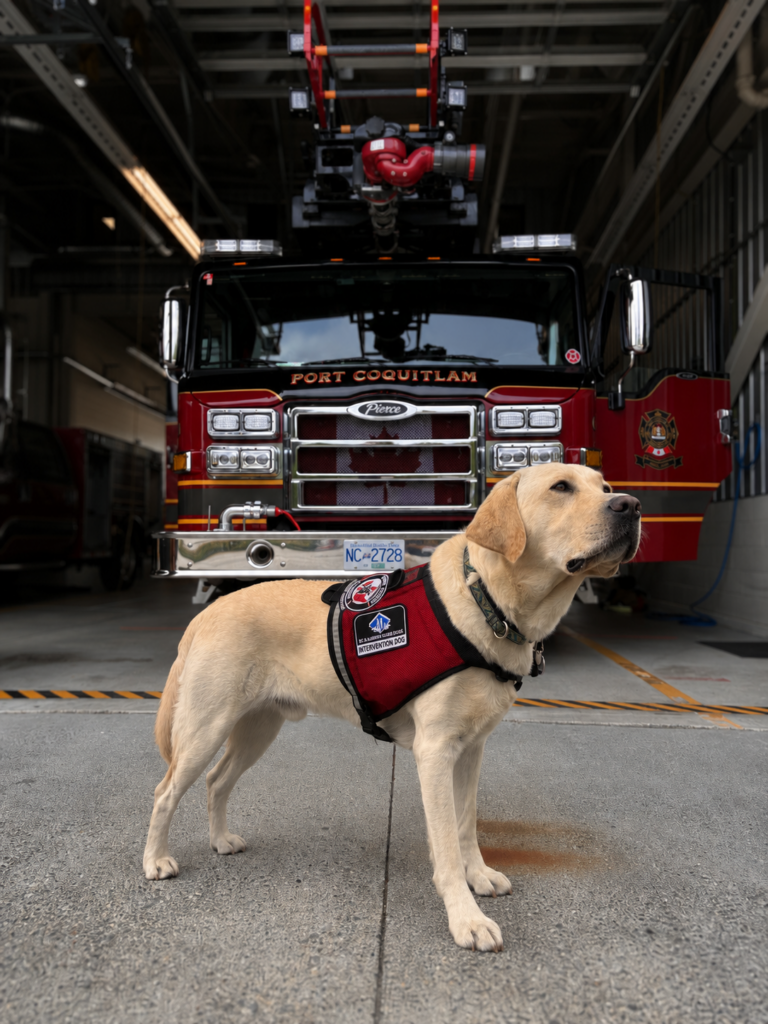
“He’s been here for roughly three weeks, and he has already made a significant impact around the fire hall,” Dougan said. “Just with his presence, the calming effect he has, and the discussions he’s brought forward.”
Phil was bred, raised, and professionally trained by BC & Alberta Guide Dogs through its partnership with Wounded Warriors Canada.
“We know that repeated exposure to traumatic incidents can have long-lasting impacts,” said Scott Maxwell, CEO of Wounded Warriors Canada. “We also know the importance of being proactive and getting in front of these situations.”
Bringing Phil to the department was a joint effort between Local 1941 and management.
“Phil has been carefully selected and trained for his ability to remain calm, respond to stress, and support a wide range of people through specifically trained activities and behaviors,” said Mike Annan, Director of Service Dogs with BC & Alberta Guide Dogs.
Another way to decompress
Support after a difficult call doesn’t always have to start with a conversation. Dougan said Phil offers another way to decompress.
“He’ll come and rest his chin on your lap or sit between your legs so you can pat him or he can lie at your feet,” said Dougan. “And if anyone needs Phil to come over to comfort them, give them a bit of attention and take their mind off a call, or whatever the case may be, Phil’s there to do that, too.”
According to the city, Phil will support Local 1941 members following traumatic calls, during Emergency Operations Center activations and Emergency Support Services events, and at group lodging sites.
Interacting with dogs can be an enjoyable and rewarding experience. From a clinical perspective, it can help reduce physiological signs of stress, including heart rate and cortisol levels, and promote emotional regulation, social bonds, and a sense of safety.
IAFF Behavioral Health Specialist Lindsay Longo
“Interacting with dogs can be an enjoyable and rewarding experience. From a clinical perspective, it can help reduce physiological signs of stress, including heart rate and cortisol levels, and promote emotional regulation, social bonds, and safety,” said IAFF Behavioral Health Specialist Lindsay Longo. “Those are all key elements in helping to cope with stress and trauma.”
One of Phil’s most important roles may be helping make conversations about behavioral health easier.
“It’s just one more tool that helps remove the stigma and get people talking and just kind of opening up about the challenges on and off the job, if they choose to do so,” said Dougan. “Having Phil around brings that conversation forward.”