The following is General President Edward Kelly’s column from the Summer 2026 edition of Fire Fighter International Magazine.
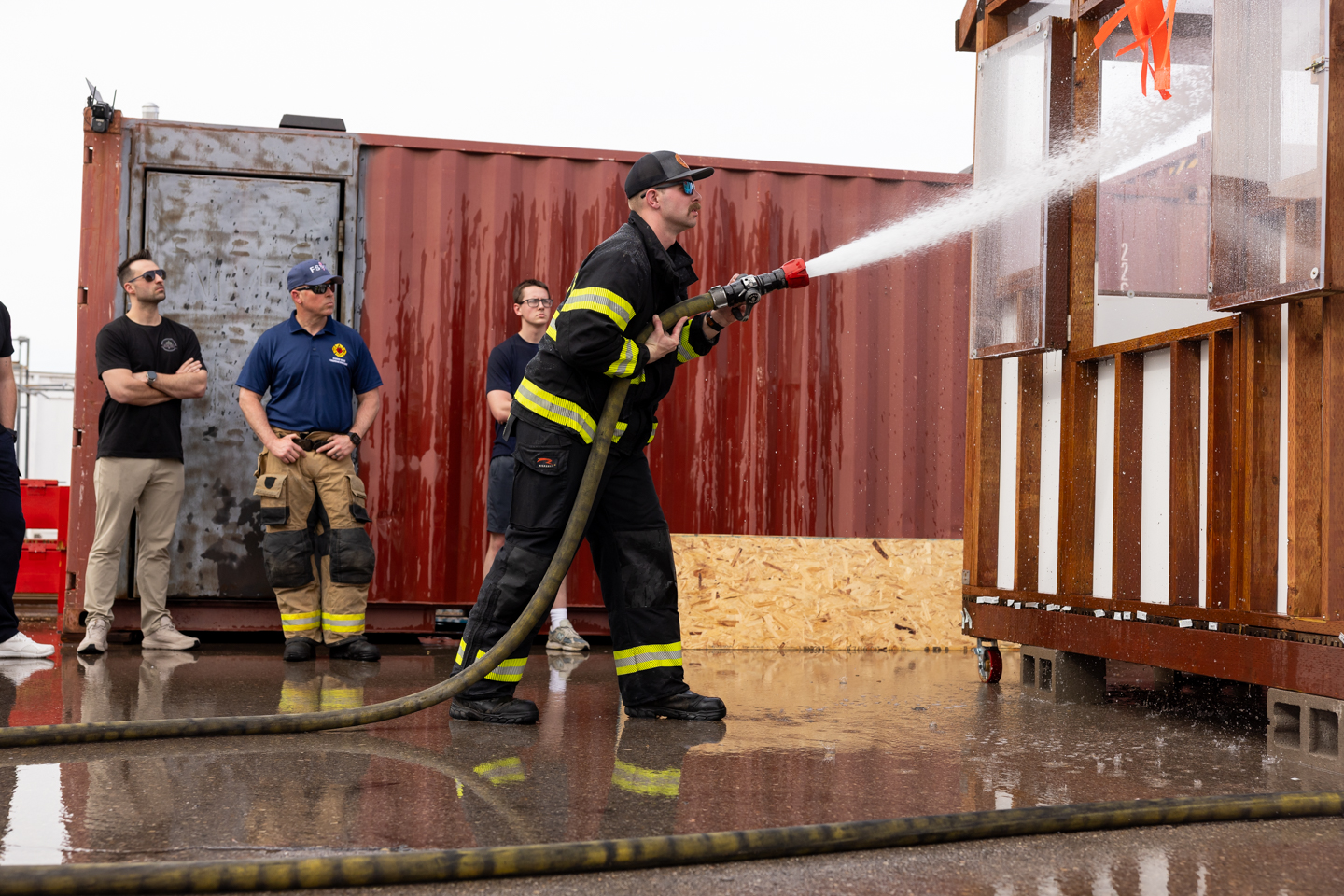
Demand for the IAFF’s HazMat training – the leader, bar none, in the North American fire service – was up 26% last year.
It’s not surprising. We’re facing new, evolving threats on a job that is always changing. Lithium-ion batteries and renewable energy systems are fueling fires we’ve never had to fight before. And, as the 2023 East Palestine train derailment showed, too many departments aren’t ready for known dangers in their cities and towns.
Good training is the difference between life and death – for the civilians we took an oath to protect and for ourselves. And yet, access to that quality training too often depends on where you work. It shouldn’t. These gaps have a real impact on preparedness and readiness. But more importantly, they can get us killed.
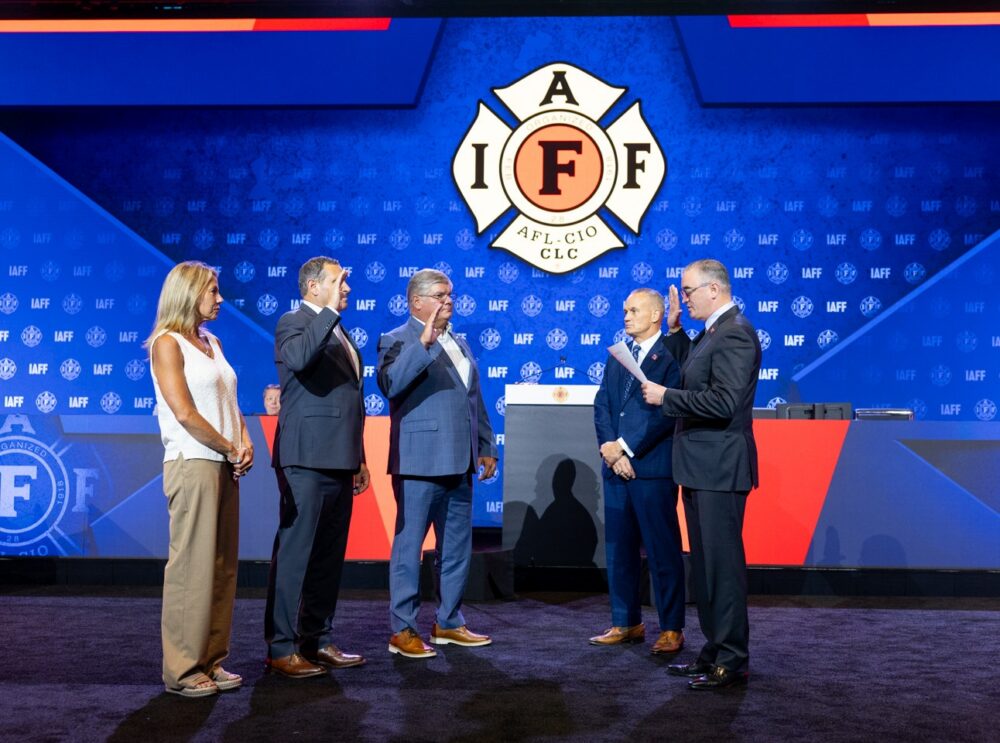
Delegates at the IAFF’s 58th biennial Convention in August decided that must change. By adopting Resolution 11, “Establishing the IAFF as a Leader in Fire Service Training and Professional Development,” delegates directed the union to conduct a comprehensive needs assessment of fire and EMS training in the United States and Canada. The assessment will examine the current training landscape in our two countries, identify delivery gaps, and determine areas where the IAFF’s experience and talent can benefit the fire service. A full strategic plan will be presented to delegates at the 59th Convention, held in 2028 in Cleveland.
We’re not starting from zero. The reality is, the IAFF is already widely recognized for the expertise in our ranks.
Our HazMat program has trained responders from thousands of fire departments and federal agencies, including the U.S. Secret Service. The Canadian Government adopted the IAFF’s Responding to the Interface training to prepare structural fire fighters for the wildland-urban interface. We’ve already trained more than 1,000 Canadian fire fighters, and our Train-the-Trainer model is helping us build capacity across the country. In Texas, the legislature and governor committed $600,000 to train more than 200 new RTI instructors. Departments from Florida to Hawaii are turning to us. So are fire fighters from other continents. Members of the UK Fire Service came all the way to Round Rock, Texas, to learn from the IAFF. Australia and several European countries have also expressed interest.
When Newark, New Jersey, fire fighters Augie Acabou and Wayne Brooks Jr. were killed in the line of duty, the NTSB found a lack of adequate training contributed to their deaths. We acted. The IAFF brought marine firefighting experts together and secured federal funding to build shipboard training for land-based fire fighters. Those classes are already being offered to departments. Wayne’s wife, Michele, joined one of our September trainings to speak about how important it is that fire fighters are given the skills and tools they need to save others and themselves.
All of our training is focused on putting that message into action. When a tragedy or near miss exposes a problem, the IAFF is turning that knowledge into skills fire fighters and emergency medical workers can use on the next call.
IAFF leadership was asked to present on our health and safety training as well as our scientific research program at the recent World Fire Congress in London. There were hundreds of fire service leaders from across more than 60 nations. When we finished our presentation, a fire fighter in the room stood up and asked, “How can we get access to all that for our own members?” Over the last few years, the IAFF has received more than 300 inquiries from fire fighters across South America, Europe, Africa, Asia, and Australia asking the same thing. Convention delegates adopted Resolution 12, “Establishment of International Membership Opportunities Through Global Locals,” for exactly that reason.
Fire fighters everywhere face the same existing and emerging threats. The challenges in Canada and the U.S. are not unique to our two countries. Resolution 12 establishes IAFF Global, which allows our union to expand and bring our research and training to fire fighters and emergency medical workers outside North America.
Neither of these resolutions is about growing the IAFF for growth’s sake. It’s not about beating our chests. It’s about saving lives. And it’s about strengthening the IAFF. We are the fire service, and we have to be in every conversation when our jobs are being discussed. When fire fighters are better trained, when a dangerous job is safer, the communities we protect are better off.
Convention is about planning for the future, not living in the past. It’s not just what we owe each other. It’s what we owe to those who came before us, and those who will come after.