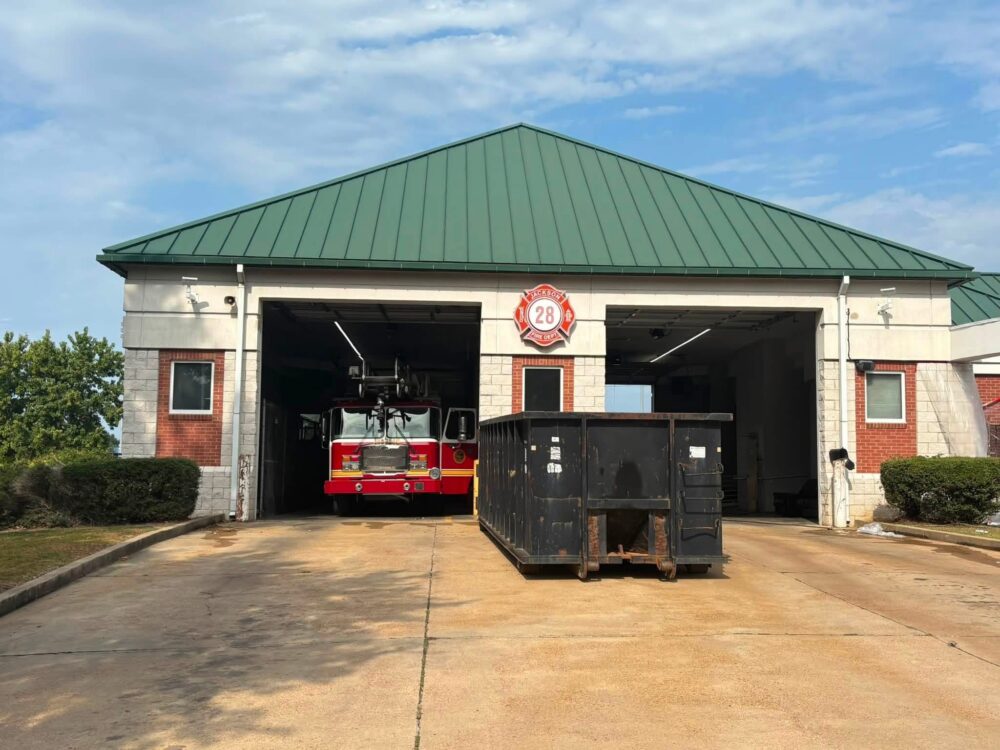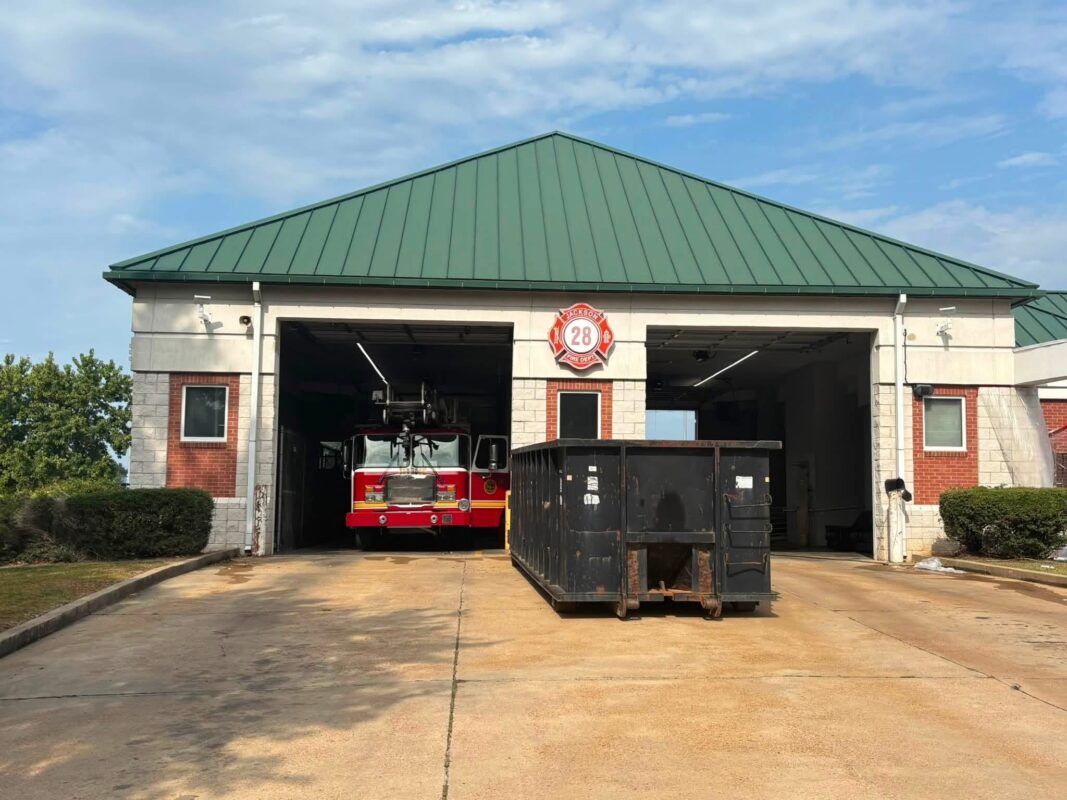
Jackson, MS Local 87 members will soon receive emergency calls through a new alert system, replacing a failing setup that left fire fighters listening to radios around the clock.
For years, Jackson fire fighters worked without a functioning alert system, relying instead on radio communications to receive emergency calls.
Local 87 President Michael Linzy said the department’s previous alert system had been failing for about four years before it eventually stopped working altogether.
“Our old alert system was working on its last legs about four years ago,” Linzy said. “It just stopped working, and it was so old that the parts couldn’t be repaired. Our fire fighters are listening to the radio 24 hours a day, seven days a week. We have one shared unit that is called over the air. You’re expected to hear it over the radio and respond accordingly.”
Union advocacy helps secure funding for long-overdue upgrades
Replacing the system became a top priority during the last mayoral election. Linzy said union leadership made the issue clear to each mayoral candidate.
“At that time, I was the vice president, and RaSean Thomas, who’s now our fire chief, was the Local’s president, and we were vetting the candidates for mayor. We told the winning candidate, Mayor John Horhn, that our research showed an alert system was urgently needed and would cost $3 million. Then, as a state representative, he secured the funding, and after becoming mayor, he made it a top priority.”
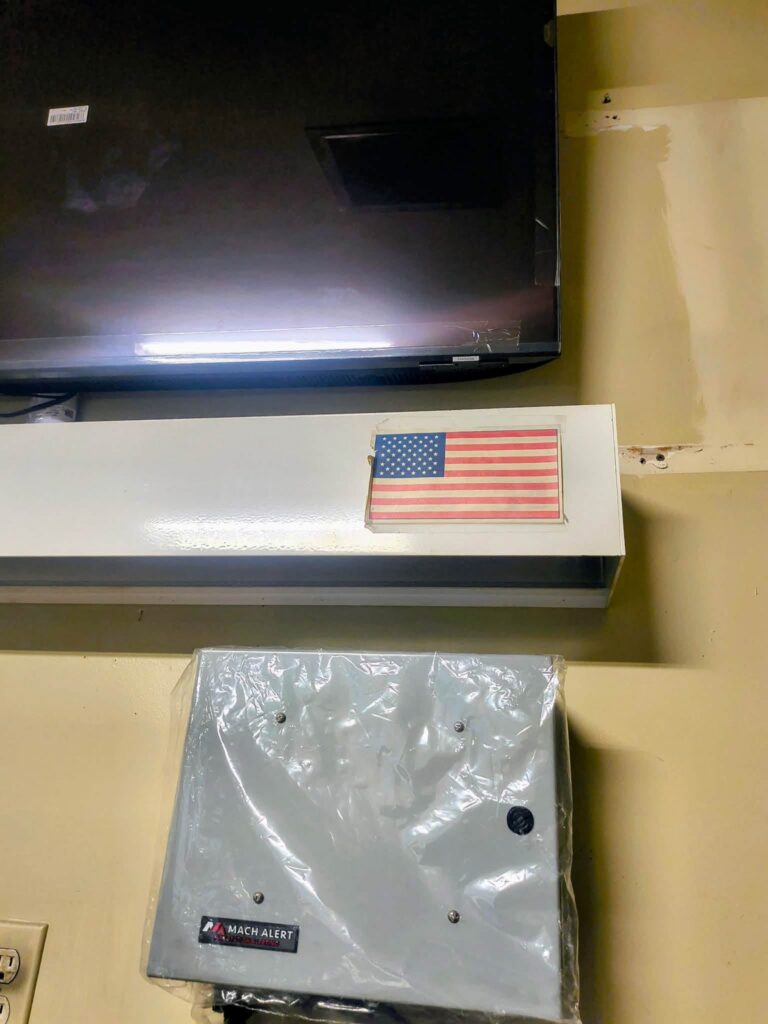
Linzy said the new alert system has been paid for, and installation is currently underway at Jackson’s fire stations.
We told the winning candidate, Mayor John Horhn, that our research showed an alert system was urgently needed and would cost $3 million. Then, as a state representative, he secured the funding, and after becoming mayor, he made it a top priority.
Local 87 president michael linzy

New alert technology prioritizes fire fighters’ health and sleep
Unlike traditional station alert systems that can abruptly jolt fire fighters awake, the new technology is designed to gradually increase sound and lighting levels when an emergency call comes in.
“It will be welcoming and reduce sleep deprivation. I know how stressful constant radio listening is for those who aren’t used to it, and the system should prevent that stress by avoiding unexpected wake-ups,” Linzy said.
Sean DeCrane, IAFF Assistant to the General President for Health & Safety said quality sleep is essential to fire fighters’ health and safety.
“Current studies have proven the importance of quality sleep and the harmful impacts that sudden awakening can have on the human body,” DeCrane said. “Compounding interrupted sleep patterns and sudden loud alerts can have negative impacts on fire fighters every day. The impact of interrupted sleep carries over into their off-days, generating a legitimate health concern.”
“We have had discussions with industry and health experts on the development of an industry standard to provide a best practice for alerting fire fighters during the night,” said DeCrane.
Current studies have proven the importance of quality sleep and the harmful impacts that sudden awakening can have on the human body.
IAFF Assistant to the general President for health & Safety sean decrane
Collaboration drives department-wide improvements
The new alert system is one of several improvements Linzy said the department has made through collaboration between Local 87, city leadership and the fire department.
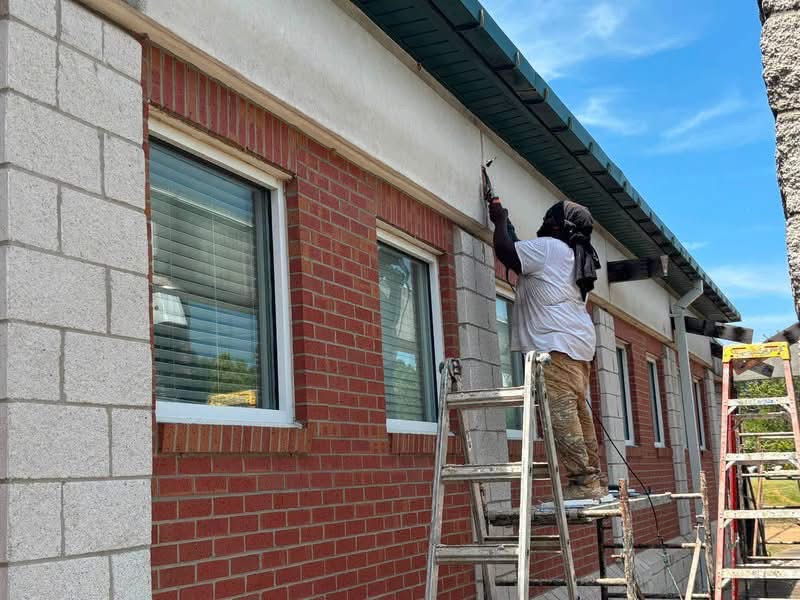
“Stations have been renovated, new roofs have been added at stations, new garage doors have been installed, and all the AC units were replaced over the summer. We’re about to purchase new fire apparatus, and we have a test day and promotion exams coming up,” Linzy said.
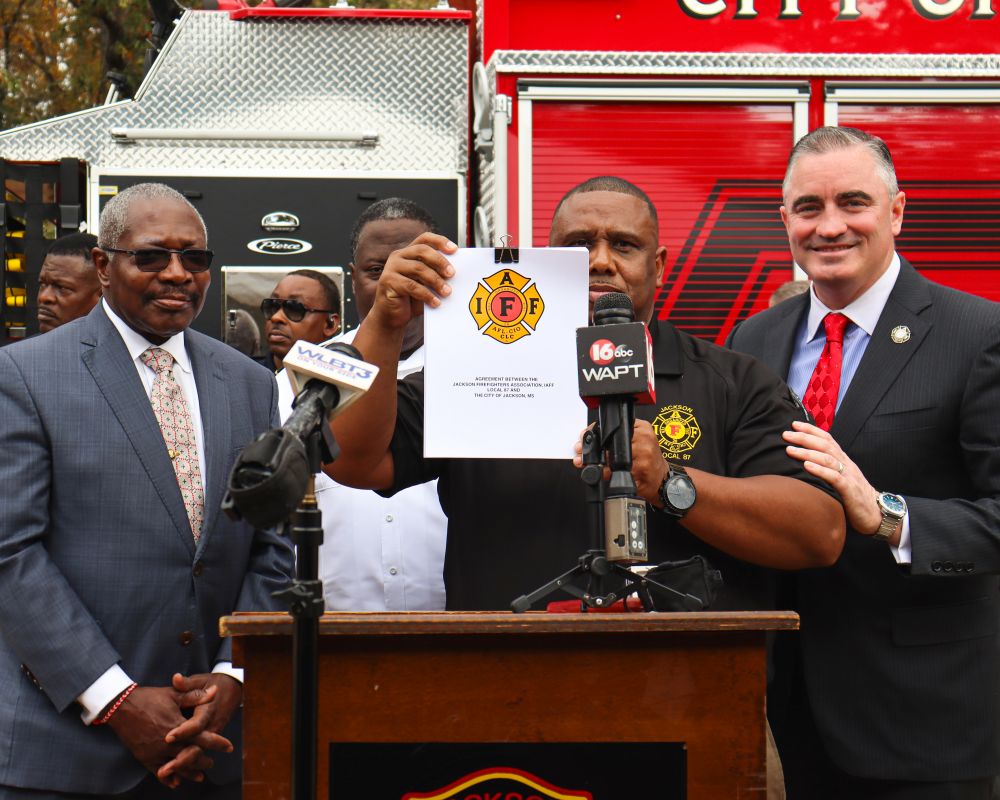
Linzy said collaboration and a shared commitment to the well-being of Local 87 members have helped drive improvement.
“Our new mayor has kept his word and delivered everything we asked for on the campaign trail, and our fire chief, working in partnership with the union, is getting everything we’ve asked for done,” Linzy said. “Finding common ground is easy when everyone agrees on what’s right for fire fighters. They’re the backbone of every community, and working with mayors, city councils, and fire chiefs helps us do right by them.”