After years of IAFF advocacy, Canada has enacted legislation that strengthens penalties for assaults against fire fighters and paramedics, marking a major legislative victory for the union and its members.
Bill C-14, the Bail and Sentencing Reform Act, requires judges to consider a victim’s status as an on-duty fire fighter, paramedic, police officer or other first responder as an aggravating factor during sentencing. The legislation received Royal Assent on June 15 and comes into force in 30 days.
The change follows a multi-year IAFF advocacy campaign launched in response to a growing number of violent incidents involving fire fighters and paramedics.
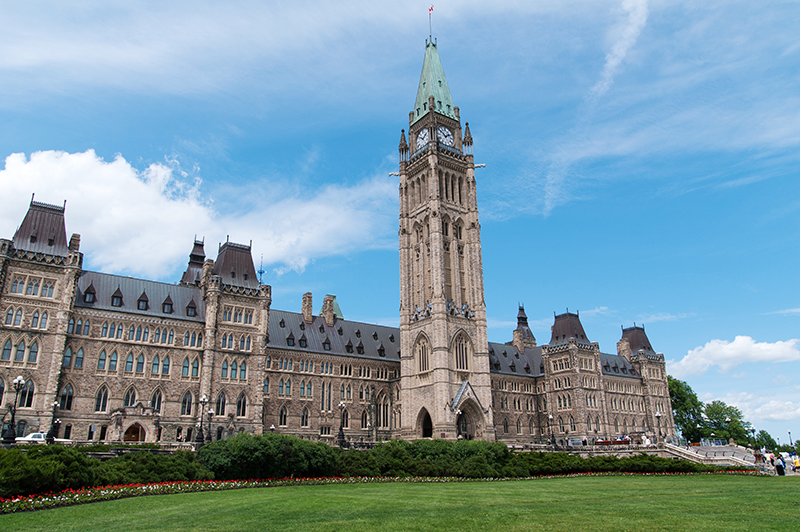
Delegates repeatedly raised the issue during recent IAFF Canadian Legislative Conferences, helping build momentum for federal action. The IAFF and Halifax, NS Local 268 raised the issue directly with Justice Minister Sean Fraser during an April 21 meeting in Ottawa. Groups representing police and other public safety personnel also supported the provisions.
This victory happened because IAFF members refused to accept violence as part of the job.
General president edward kelly
Bill C-14 broadly legislated a number of criminal justice and sentencing issues and was one of two pieces of legislation before Parliament that addressed violence against fire fighters and paramedics.
“As fire fighters, we show up on someone’s worst day,” General President Edward Kelly said. “The growing number of assaults against IAFF members is unacceptable. Bill C-14 recognizes the seriousness of these crimes and creates stronger consequences for those who commit them.”
The win on Bill C-14 is proof of the IAFF’s political formula, he added.
“This victory happened because IAFF members refused to accept violence as part of the job,” Kelly said. “They brought the issue directly to Parliament Hill – sharing their real-world experiences with lawmakers. Because of their efforts, stronger protections will soon be in place for Canada’s fire fighters and paramedics.”
Violence against first responders is on the rise
The IAFF pointed to a growing number of frightening incidents involving first responders during lobbying efforts.
In July 2025, a Winnipeg, Man., fire fighter was struck in the face by a metal pole while responding to a vehicle fire. Just days later, Winnipeg fire fighters had to disarm and restrain an overdose patient who brandished a knife and threatened to kill them.
And in 2024, an ambulance was hijacked in Saskatoon, Sask., with two IAFF paramedics inside, both of whom were injured and forced off duty.
The incidents are far from isolated. An IAFF survey of 117 affiliates found that 13% reported at least one act of violence at structure fires within their department in the past five years, while the number jumped to 40% for medical calls. The true scope of the problem remains hidden as most incidents go unreported.
The IAFF also supports Bill S-233, which would provide additional Criminal Code protections for first responders and health care workers. The bill continues to move through parliament.