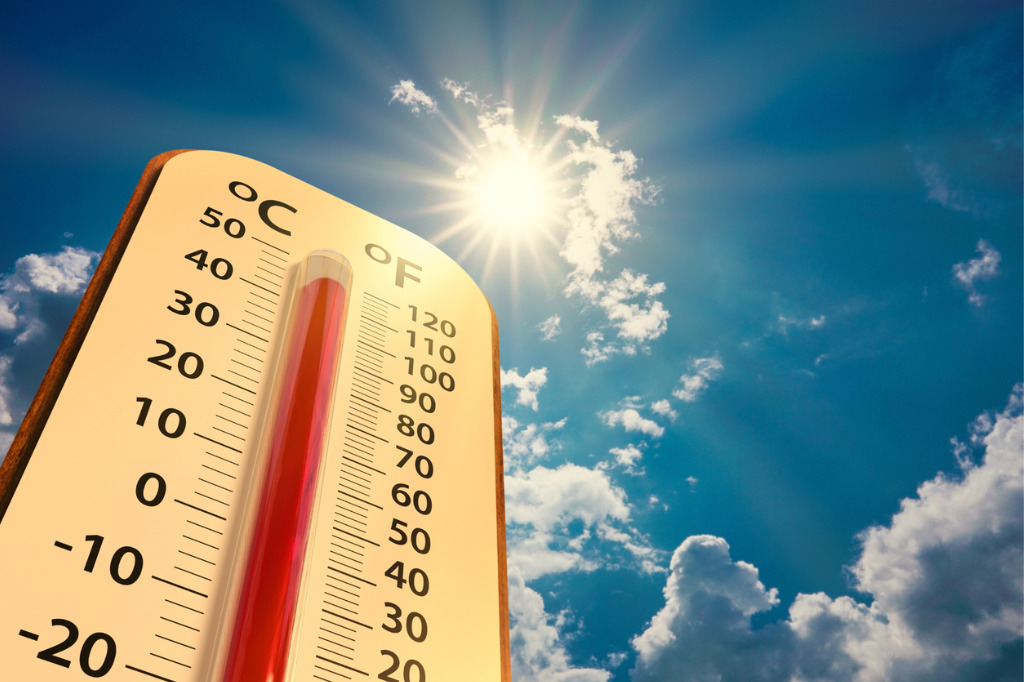
This Fourth of July weekend is going to be a scorcher.
As families plan holiday fun, the IAFF is urging the public to take precautions against heat-related medical emergencies. The young, elderly, outdoor workers, those with certain medical conditions and outdoor pets are especially at risk.
IAFF Chief Medical Officer Dan Whu, MD, MPH, said people should use extreme caution during a heat wave.
“The most important action is to remain vigilant about the external weather conditions and know how your body is reacting to them,” Dr. Whu said. “The onset of heat-related illnesses may feel subtle, at first, but the impact is very serious. Know the signs and call 911 early.”
What are common symptoms of heat-related illnesses?
Heat cramps. These are painful, brief, and involuntary muscle spasms that occur during or after strenuous physical activity in hot environments. Heat cramps are usually considered mild, but they are a warning sign that the body is under stress
Heat exhaustion. This occurs when the body overheats and loses excessive water. Symptoms often include heavy sweating, cold or clammy skin, nausea, and dizziness. Heat exhaustion is serious and can worsen if not addressed quickly
Heat stroke. This is the most serious form of heat-related illness. It occurs when the body’s temperature-regulating system fails, causing core body temperature to rapidly spike to 104°F (40°C) or higher. Unlike heat exhaustion, it affects brain function, which can cause confusion, slurred speech, and is life-threatening.
How can you prevent heat-related illnesses?
- Proactive hydration is a must. Remember that the feeling of thirst often comes after dehydration has already started.
- Limit drinks with stimulants, high sugar, and those that promote diuresis (fluid loss). Avoid alcohol.
- Remain indoors as much as possible. If your home does not have air conditioning, go to the home of a relative, friend or an official cooling shelter.
What are the symptoms and what action should you take?
Move into a cooler space and hydrate if you notice any of the following:
- Cool, moist skin with goose bumps when in the heat
- Heavy sweating
- Faintness
- Nausea
- Rapid pulse
- Muscle cramps
- Headache
Call 911 immediately if signs of heat stroke arise, including:
- Neurological changes, such as confusion or slurred speech
- Body temperature of 104°F (40°C) or higher
- Red, hot skin, especially with no sweat
- Difficulty breathing
When in doubt, call 911. Heat illness can become life-threatening quickly.