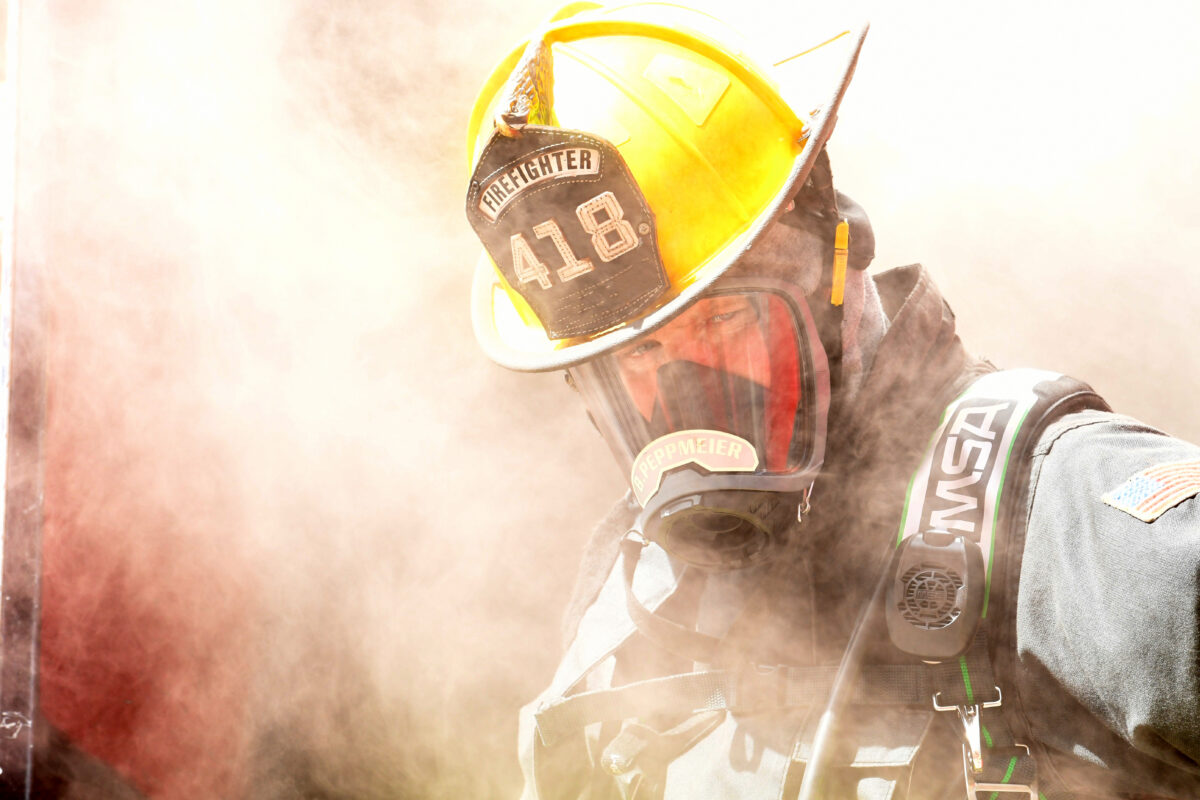
Dangerous, record-breaking heat is intensifying across much of the central and eastern United States ahead of the July 4 holiday weekend. With temperatures threatening to shatter triple-digit records, the extreme weather is triggering severe health warnings for the public and putting fire fighters, paramedics, and other first responders under maximum strain.
Heat domes, according to the National Weather Service, are essentially high-pressure systems hovering above a region that traps heat and humidity which triggers a heatwave. For fire fighters who have to wear bunker gear, the effects of the heat will be intensified.
“Fire fighters have to be prepared for anything, including extreme heat. Ultimately, fire fighters should be starting heat safety protocols before their shift begins,” said IAFF Chief Medical Officer Dan Whu, MD, MPH. “In the hours leading up to a shift where high temperatures are expected, fire fighters should be getting adequate hydration, sleep, no alcohol, no excessive caffeine, and no unprescribed diuretics. Once on shift, it is important to self-monitor and follow established department protocols.”
The National Weather Service uses the heat index – what the temperature feels like when heat and humidity are combined – to assess heat risk. Its scale ranges from caution (80-90 degrees Fahrenheit) to extreme danger (above 125 degrees), when heat stroke is imminent.
Fire fighters and other first responders cannot always avoid the heat, but members and departments can take steps to prevent heat-related health issues.
Steps fire fighters can take to beat the heat
- Stay hydrated. Water activates the body’s natural cooling system – sweating. Remember, thirst happens once dehydration has already begun.
- Avoid alcohol and sugary drinks. Alcohol and beverages with large amounts of sugar can accelerate dehydration.
- Be physically fit to acclimate the body to operate in difficult conditions.
- Know the warning signs of rhabdomyolysis. NFPA 1580 says members engaged in physical activities or heat exposure should understand the risks, signs, symptoms, and prevention strategies for rhabdomyolysis, a serious condition that can occur after extreme exertion or heat stress
NFPA 1580, Standard for Emergency Responder Occupational Health and Wellness, Chapter 20 has provides preparedness protocols. And the CDC website has a full list of recommendations.
How fire department management can help
Departments should have heat-safety policies, training, and standard operating procedures in place before crews are operating in high-heat environments. These protocols are critical to keeping fire fighters and emergency medical workers safe during emergency operations.
- Develop SOPs that are relevant to the department’s particular geography and climate.
- Include appropriate cooling procedures, mandatory rest periods, and vital signs screening in rehabilitation protocols.
- Establish clear triggers for when an incident safety officer should be dispatched, including excessive heat or other conditions increase risk on scene.
- Make sure officers on scene enforce rehab protocols and monitor crew members for potential signs of heat-related illnesses.
The CDC maintains an excessive heat risk tracker on its website where you can type in your zip code and determine if your locations falls within a risk area.