A new bill to strengthen penalties against those who attack first responders was introduced this week in the U.S. Senate.
Senators Eric Schmitt (R-MO) and Maggie Hassan (D-NH) unveiled the bipartisan Graham Hoffman Act. The bill would make it a federal crime to assault fire fighters, emergency medical workers, police officers, and other first responders.
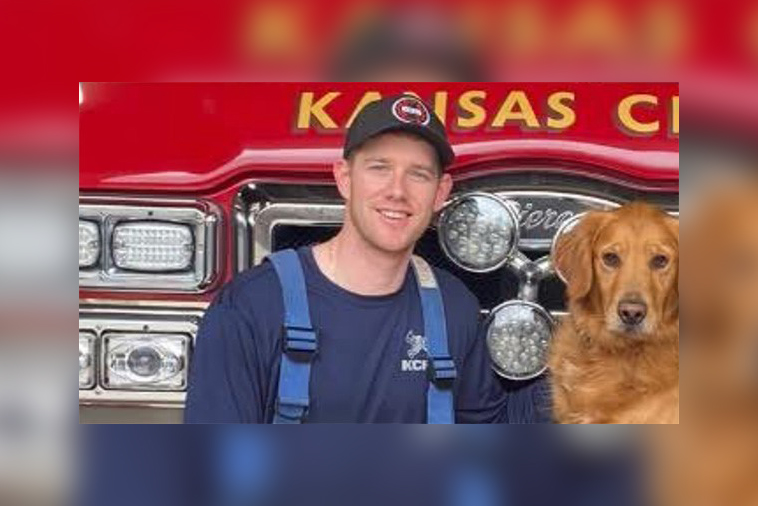
The bill is named in honor of Kansas City, MO Local 42 fire fighter-paramedic Graham Hoffman, who was tragically killed on the job in April of this year.
“The loss of Graham Hoffman was horrific. Fire fighters and emergency medical workers put their lives on the line to help others, and they deserve to return home safely after their shifts,” said General President Edward Kelly. “The Graham Hoffman Act will ensure that anyone who attacks a first responder is held fully accountable. I want to thank Senators Schmitt and Hassan for their leadership on this vital issue.”
While responding to what seemed to be a routine medical call, Hoffman and his partner took their patient in the ambulance to head to the hospital. But during their trip, the patient turned violent, stabbing Hoffman and attacking his partner. Hoffman later died at the hospital from his injuries.
“This legislation, in honor of Graham, ensures that anyone who assaults or kills a first responder faces the full force of federal law,” said Schmitt in a statement announcing the introduction of the bill.
Hassan echoed Schmitt’s remarks, stressing the need to protect fire fighters and others.
“First responders put their lives on the line every day to keep our communities safe, and they deserve our protection when they answer the call to help others,” she said.
Violence against fire fighters and emergency medical workers has been recognized as an occupational hazard for the fire service since the 1970s, but the threat has dramatically increased in recent years across North America.
A study from Drexel University found that 77% of U.S. fire fighters surveyed had been verbally assaulted on the job, and 46% had been physically assaulted – just within the past year. The findings are based on surveys from 10,000 fire fighters across 90 departments.
Records from Washington, D.C., show 19 assaults against fire fighters and emergency medical workers in the district in just the first 6 months of 2025.
Just weeks ago, in Idaho, two fire fighters – Battalion Chiefs Frank Harwood and John Morrison Jr. – were murdered after a gunman set off a brush fire to lure first responders to the scene. A third fire fighter, Engineer Dave Tysdal, was also critically wounded during the attack.
And in Canada, fire fighters have been sounding the alarm about increased violence against them for years. In Winnipeg, first responders have become so accustomed to violent outbursts, they’re now viewed as “normal.”
The uptick in violent attacks against first responders demonstrates the clear need to strengthen deterrents and ensure the safety of fire fighters and other first responders on the job.
“Fire fighting is already a dangerous job. But the increase in violent attacks against IAFF members is making our jobs even more challenging,” said Kelly. “This legislation will send a clear message that violence against first responders will not be tolerated.”
With the Graham Hoffman Act, lawmakers hope to not only bring justice for fallen heroes like Hoffman, but to also prevent future violence against all first responders.