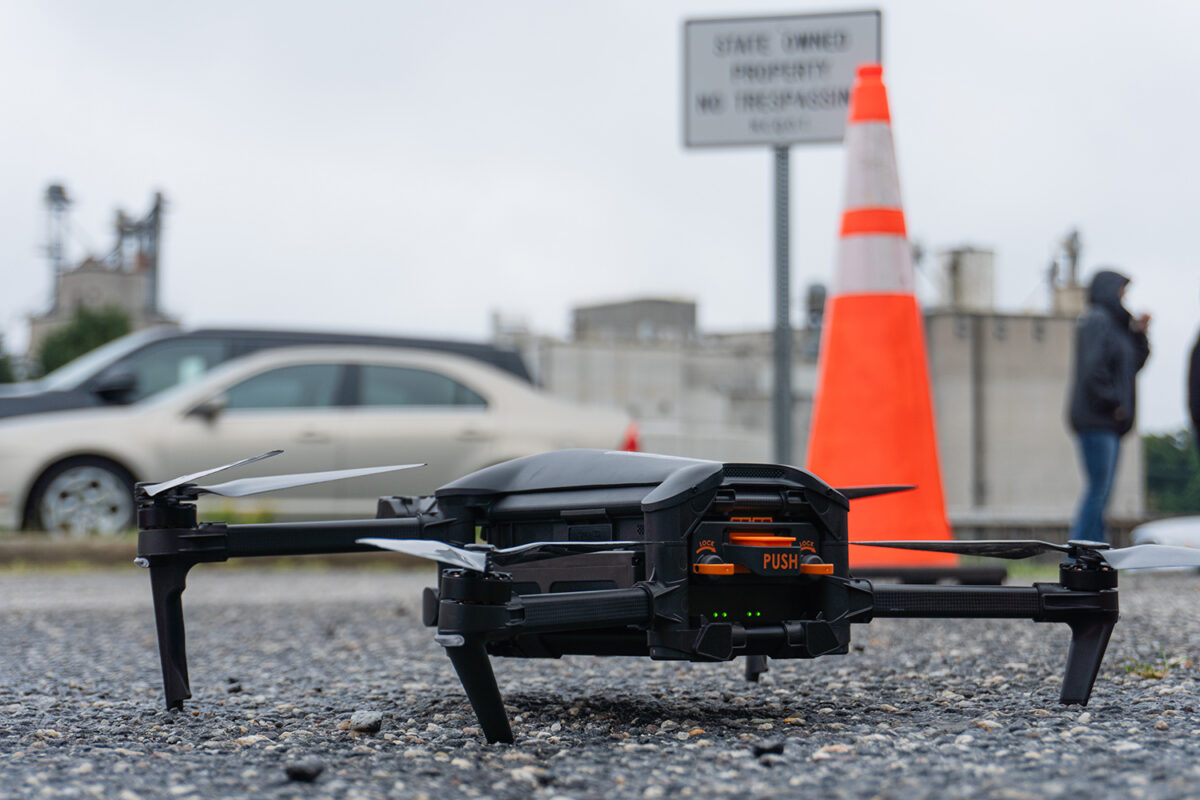
Drones could become the new canary in the coal mine for fire fighters responding to HazMat incidents – entering first, testing the air, and helping responders identify danger before crews are exposed.
The IAFF is building a training program to bring that capability to departments across North America.
Training the trainers
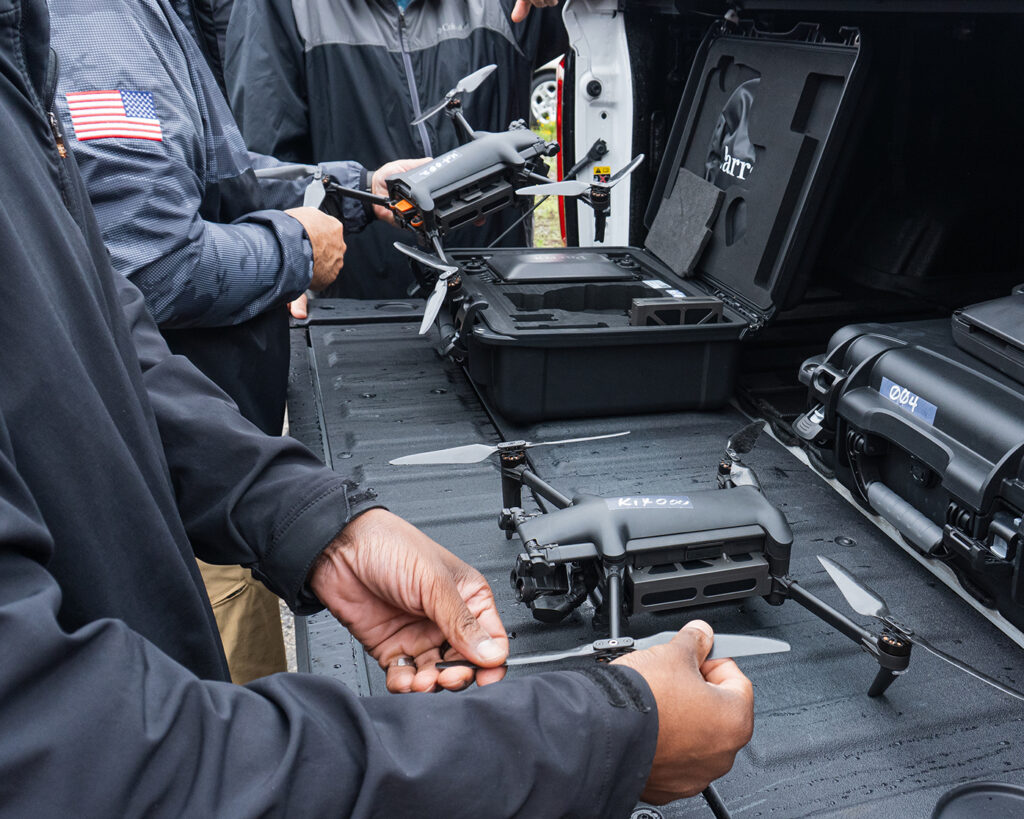
In July, IAFF HazMat instructors from across the country gathered in Statesville, North Carolina, for drone training from the Remote Tactical Solutions Group (RTS). The session marked the first phase of a five-year initiative to integrate drone technology into HazMat response.
We know there’s going to be a shift in training standards that will require us to use drones as part of downrange reconnaissance and overall air monitoring. That helps keep first responders out of harm’s way.
Josh Smith, Assistant to the General President for Training, Education, and Grants.
“We know there’s going to be a shift in training standards that will require us to use drones as part of downrange reconnaissance and overall air monitoring,” said Josh Smith, Assistant to the General President for Training, Education, and Grants. “That helps keep first responders out of harm’s way.”
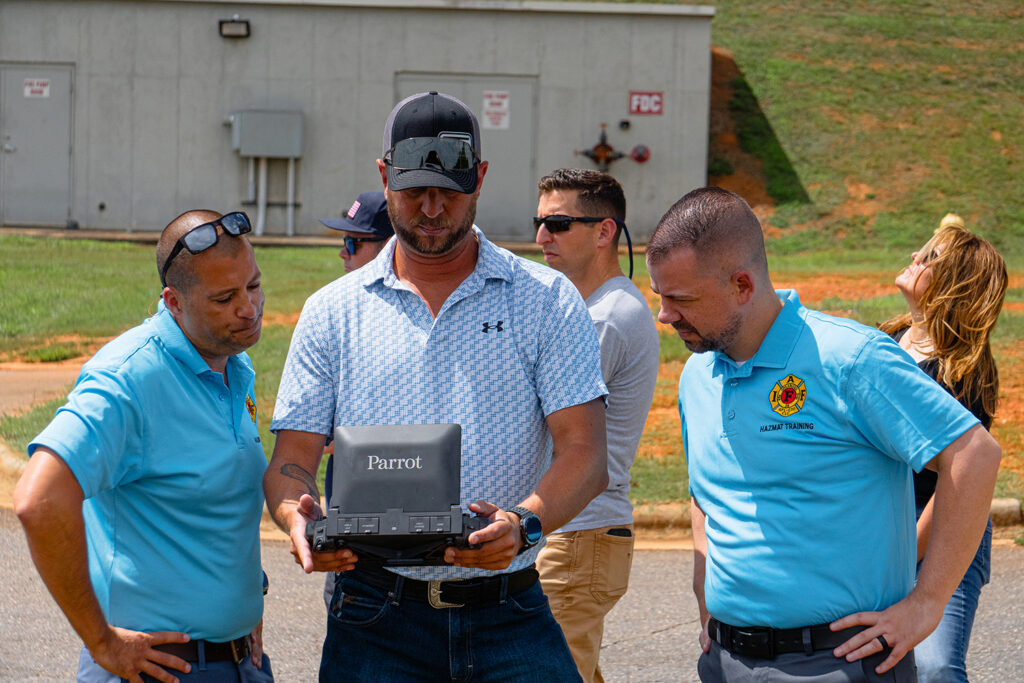
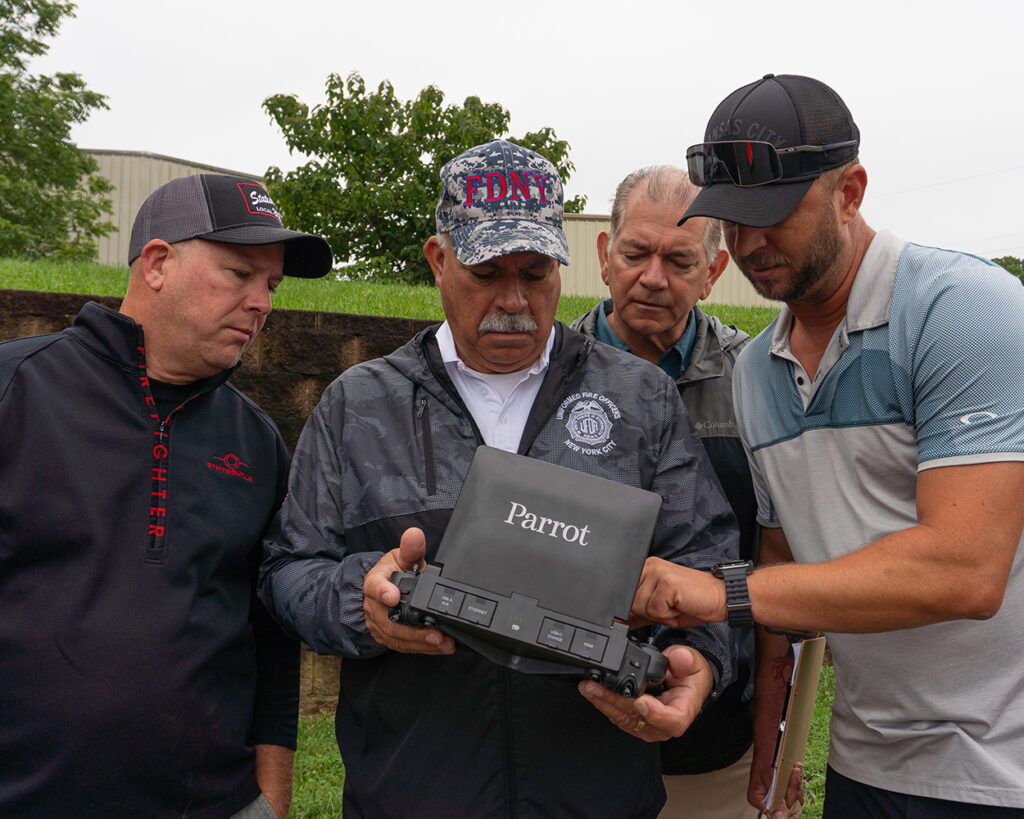
The short-term goal is to certify pilots and establish a curriculum that HazMat instructors can take back to departments. Instructors received training on FAA regulations and hands-on experience with the drones.
“This is going to be a five-year program,” Smith said. “As we build it out, it will transition to a drone-response type training.”
Sheldon George, an IAFF HazMat instructor and member of the Uniformed Fire Fighters Association of New York Local 94, has high hopes for the future of the drone program after seeing the buy-in from his fellow instructors.
“I could look around and see fire fighters from different departments and municipalities, all talking in a collaborative way,” said George. ” We’ve got departments from all over the country actively participating in something to help the job, for good, overall.”
Why drones, and why now
Advances in technology have made it possible to mount HazMat air-monitoring equipment – once too bulky for drones to carry – directly onto a drone.
“Instead of sending someone into an unknown environment, you can now send the drone in, get those air readings, and keep the first responder from having to go in canary-in-the-coal-mine style,” Smith said.
The IAFF secured grant funding for the training through its long-standing partnership with the National Institute of Environmental Health Sciences (NIEHS).
“You can use drones to reduce exposure to fire fighters and other emergency responders and use them as a surveillance mechanism to make sure all the necessary precautions are in place before fire fighters go in,” said Sharon D. Beard, director of the NIEHS Worker Training Program. Director Beard took part in the week’s training, sitting in on the presentations and looking on while the HazMat instructors completed hands-on exercises.
What it means for fire fighters
For instructors like Brandon Leonard, a member of Milwaukee Professional Firefighters Association Local 215, the technology addresses a challenge that extends beyond getting eyes on a scene.
“Communication is one of the hardest parts of this job – getting information out to everyone on scene,” Leonard said.
A drone’s camera can capture a close-up view of a container or hazard placard and share that same perspective with the entire response team, giving everyone immediate access to critical information.
George expects drone technology will make future HazMat responses faster, more methodical, and safer.
A 22-year veteran of the job, George said he knows the feeling that comes when a Mayday call comes over the radio – the immediate need to know who’s down and whether they’re okay.
“I see the drone as a tool to help mitigate those situations,” George said.
A drone’s thermal camera, for example, can detect a heat source and alert crews to danger before they even know it’s there.
“For my team on the inside, I’m giving them a heads up – because maybe they’re not aware of the danger. It’s helping ensure safety for everyone.”