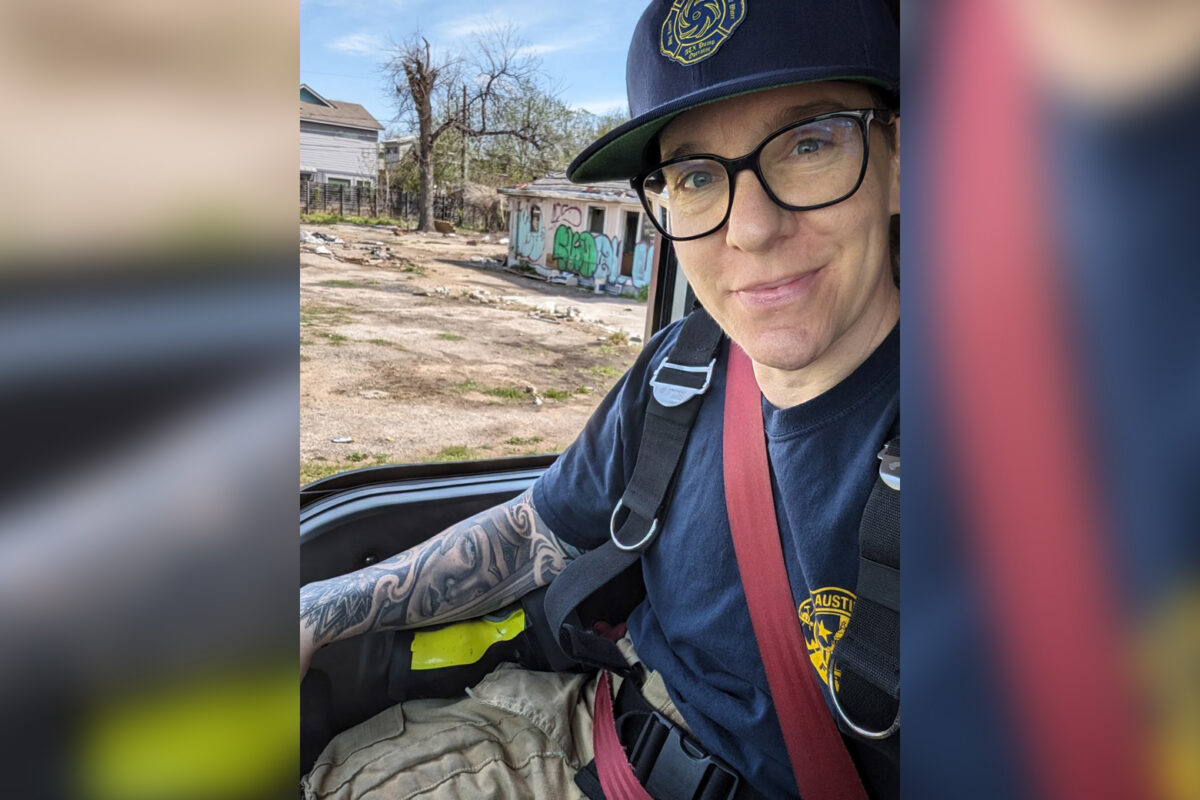
Suzanne LaFollette, a member of Austin, TX Local 975, has been fighting for her life – and for workers’ compensation eligibility – for months now. She scored a major victory in the second battle when an administrative law judge ruled on April 21 that she was entitled to the benefit.
LaFollette was diagnosed with Stage 4 uterine (endometrial) cancer but denied workers’ compensation coverage because Texas law does not recognize uterine cancer as presumptively job-related for fire fighters.
Appeals are rarely easy. But she won thanks to the IAFF Medical Assistance Program, the support of Austin Local 975, and her legal representation.
“The last thing any fire fighter should have to do after a cancer diagnosis is fight for the benefits they earned,” General President Edward Kelly said. “The science is clear about the dangers we face on the job. That’s why, when Suzanne’s workers’ comp claim was denied, the IAFF’s Medical Assistance Program stepped in with the support needed to help win her case.”
Why LaFollette’s victory could shape future cancer claims
The ruling could have implications far beyond Austin. Many occupational cancer laws were built around cancers more commonly diagnosed in men, leaving women fire fighters to clear higher legal hurdles to prove workplace exposure.
Moreover, research on occupational cancer in women fire fighters remains limited. This ruling adds to the growing evidence linking fire service carcinogenic exposures to female reproductive cancers and could help shape future claims nationwide.
LaFollette had not been feeling well for about a year before doctors determined the cause. Her symptoms appeared consistent with a urinary tract infection or perimenopause. Last May, she learned it was cancer.
As a 19-year veteran of the Austin Fire Department, she had built up sick leave, and the city provided health insurance. But not knowing everything cancer treatment would entail, she applied for workers’ compensation for peace of mind.
Her claim was denied.
It is frustrating to know that Texas law covers prostate and testicular cancer, but not ovarian or uterine cancers. Winning this case was not just important for me, but for the women who come after me. I hope they will not have to fight workers’ compensation while they are fighting for their lives.
Susanne lafollette
“It is frustrating to know that Texas law covers prostate and testicular cancer, but not ovarian or uterine cancers,” LaFollette said. “Winning this case was not just important for me, but for the women who come after me. I hope they will not have to fight workers’ compensation while they are fighting for their lives.”
The City of Austin said the denial came because uterine cancer is not included on Texas’ list of presumed occupational cancers and is therefore considered “a disease of life.”
The fight for workers’ compensation coverage
Believing her cancer was a result of on-the-job exposure; LaFollette was ready to fight. And the IAFF and Austin Local 975 had her back.
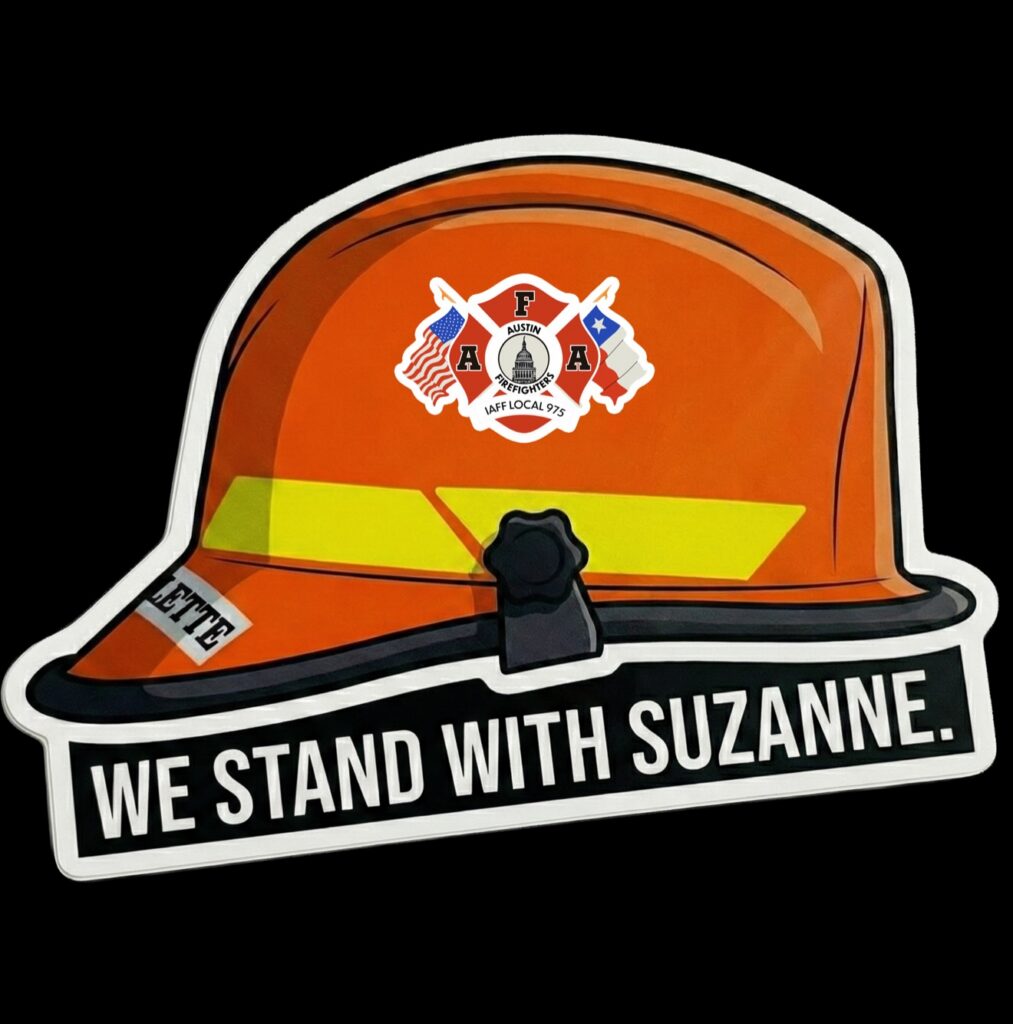
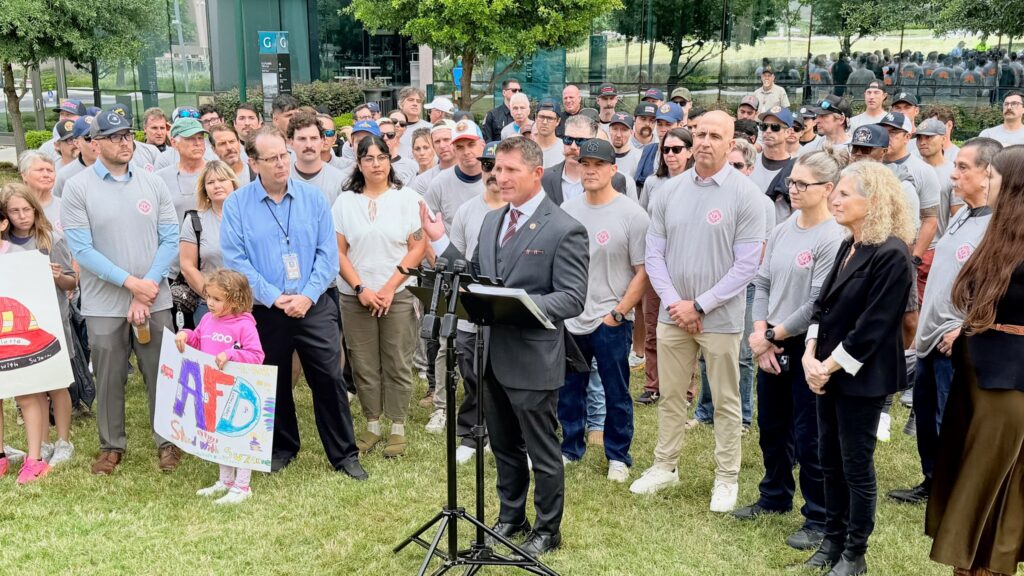
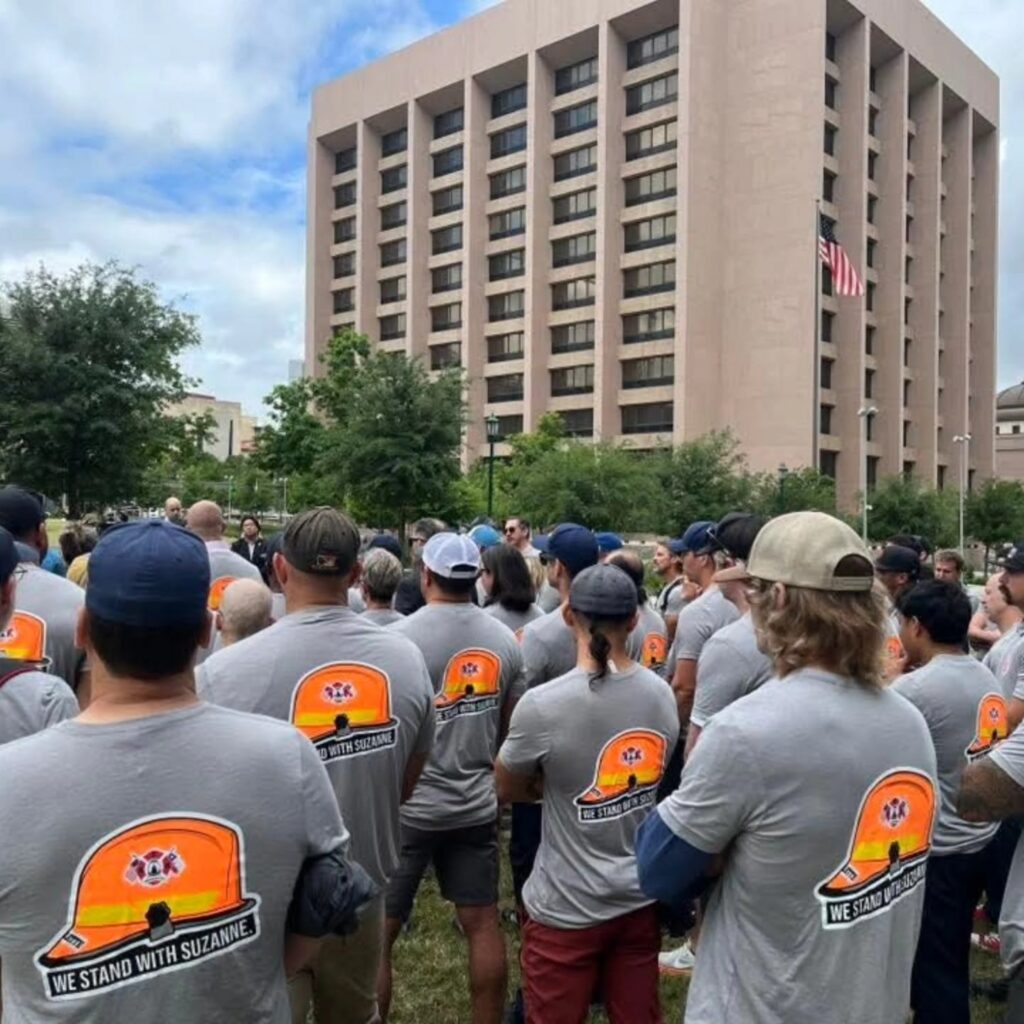
“We were ready to do everything we could to get a quick resolution for Suzanne so that she could concentrate on getting better,” Local 975 President David Girouard said. “Science and the facts were on her side, but we left no stone unturned. We reached out to the city administration, launched the ‘We Stand with Suzanne’ campaign to garner public support, and reached out to the IAFF for their medical expertise as we appealed her case.”
The IAFF approved support through its Medical Assistance Program, which provides expert medical testimony and scientific support in occupational disease cases. IAFF Chief Medical Officer Dr. Dan Whu submitted a medical causation letter and testified in-person, detailing the link between occupational toxic exposures and uterine cancer.
“I went over the multiple points throughout the average day that fire fighters are potentially exposed to a myriad of carcinogens, both on fire grounds and inside the firehouse. I also testified how fire fighters are continuously exposed to many endocrine-disrupting chemicals proven by science to lead to hormonally dependent cancers, like Suzanne’s,” said Whu. “Because of these facts, I concluded that Suzanne’s cancer, more likely than not, arose from the toxic carcinogenic exposures she endured across her 19 years as a fire fighter.”
After hearing testimony from both sides, Judge Jeff Carothers ruled it was clear from Dr. Whu’s testimony that LaFollette faced an elevated risk of uterine cancer because of repeated occupational carcinogen exposure.
LaFollette had indeed “sustained a compensable injury in the form of an occupational disease,” on the job, Carothers wrote. As such, the judge ruled she is eligible for workers’ compensation benefits.
What Suzanne LaFollette’s case means for future occupational cancer claims
“This case establishes a vital precedent for future claims and necessary equality changes in the law for women in Texas and other states,” said Brad McClellan, the attorney who represented LaFollette in her case. “With the excellent testimony of Dr. Whu and detailed evidentiary support from the IAFF, we successfully proved that Lt. LaFollette’s uterine cancer diagnosis was an occupational disease from nearly two decades of cancer-causing exposures from firefighting.”