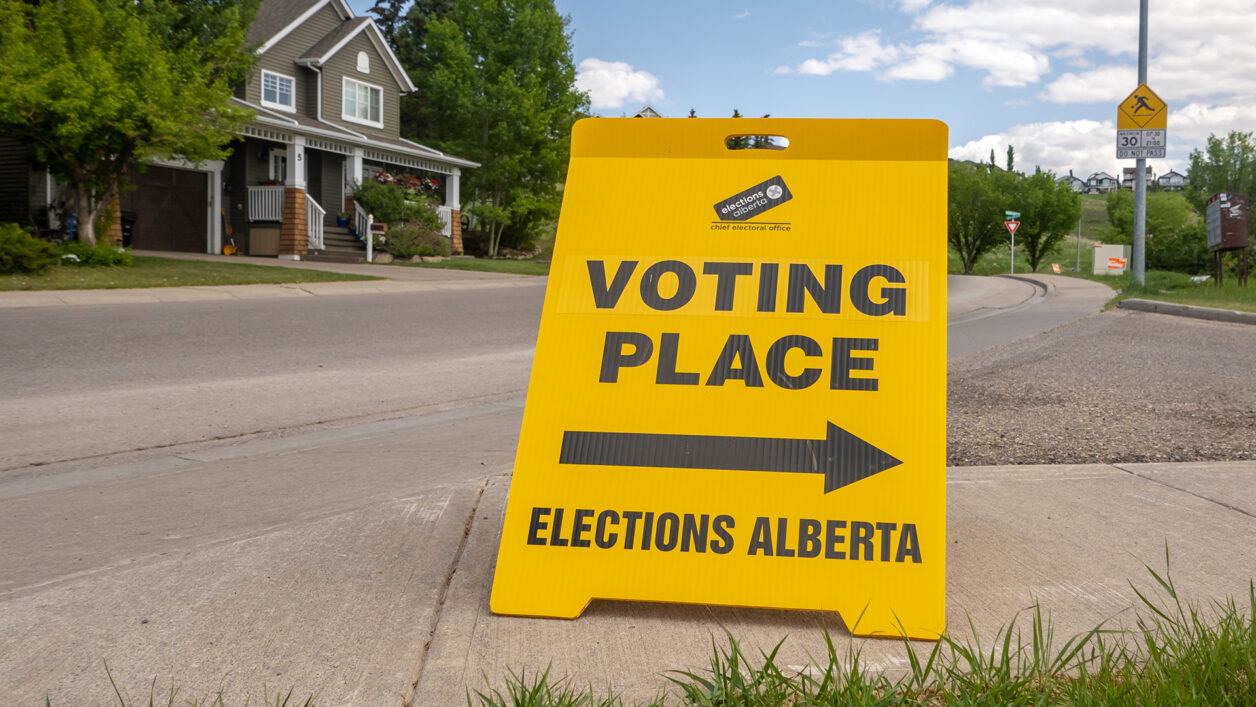
Alberta’s fall municipal elections brought more than new mayors and council members – they marked the first test of the province’s new municipal election laws.
While the new laws altered how municipal campaigns are run, they did little to change the IAFF’s approach: meeting with candidates, vetting their positions, and securing commitments to stand with fire fighters on key issues affecting public safety. Early results from the Oct. 20 elections look promising for IAFF members, with several labour-friendly candidates elected to key municipal positions.
“The key provisions of the new law were tested this cycle in the province’s largest cities, Calgary and Edmonton,” said Alberta Professional Fire Fighters and Paramedics Association (APFFPA) President Elliott Davis. “It is true that it did not drastically alter the way we do things, but it is too early to tell how these new policies might impact us long-term. Overall, we are mostly pleased with the outcome.”
One of the most visible changes under the new law allowed candidates to run under municipal political party banners rather than as independents. The new rules also affected campaign fundraising and the candidate endorsement process.
“The new election laws did force some changes in the process, but our focus stayed on our priorities,” Calgary Local 255 President James Blayney said. “We met with over 50 candidates in the mayoral and the city council elections. With each candidate, we gauged their support regarding our issues.”
Local 255’s top issue is the creation of a fire commission, similar to the existing Calgary Police Commission, the fire commission would manage the department’s budget allotted by the city council, make decisions on how to best resource the department, and create policies designed to ensure fire department operations are safe and effective.
“Right now, our fire chief and Local 255 have to go through about four different layers of the city administration for our voices to be heard. Having a commission would cut out all those unnecessary layers,” said Blayney. “We look forward to working with the new mayor, the 10 new council members, and the four returning council members on this issue.”
Edmonton’s mayoral race was crowded, with 13 candidates vying for the position. Most ran as independents, including the eventual winner, Andrew Knack. City council seats were a mix of independent candidates and and Better Edmonton political party members.
Polling suggested that key issues in the Edmonton elections were government spending, affordable housing, and public safety.
“Our executive board engaged with all candidates to ensure they were aware of our key issues surrounding the lack of new fire stations and staffing to match the rapid growth of our city, and apparatus life cycles and availability,” said Edmonton Local 209 President Greg Rehman. “We will continue to focus on building relationships with the mayor and council for our issues to be heard, and we look forward to working with both the new and returning council members and the mayor.”
In Red Deer, Local 1190 members prioritized candidates committed to tackling to the city’s ongoing fire department staffing issues.
Red Deer’s fire department overtime costs rose to over $3 million in 2024. But instead of hiring more fire fighters, the city adopted a “dynamic staffing policy,” which allows for a reduction in minimum staffing and the occasional closure of Fire Station 2, one of the city’s busiest fire stations.
Local 1190 held a candidate forum to publicly discuss the issues, including fire department staffing.
“We planned for 150 people to come, but over 300 showed up. It was the most attended candidate forum in the city,” Local 1190 President Brad Readman said. “It was a clear sign that the members of our community support us and our effort to adequately resource the fire department.”
Red Deer voters elected a new mayor and four new council members.
Readman said the newly elected leaders and two incumbents have all expressed their willingness to discuss ways to move away from dynamic staffing to a model that will provide better emergency service coverage for the city.
Across Alberta, affiliates say the elections strengthened relationships with local governments and reinforced that fire fighter issues resonate with voters.
“The issues that most impact our members and their ability to serve their communities are the top priority of our provincial and affiliate leaders in every election cycle,” 6th District Vice President Mike Carter said. “They work hard to vet the candidates, educate them on the issues, and encourage open lines of communication to resolve issues and improve emergency response. I’m very proud of the work they put in to make this election cycle a success.”