It’s 8 a.m. in Las Vegas, and Alec Shogan is already on the move at the IAFF’s inaugural Strive for Excellence Summit.
A rank-and-file fire fighter and paramedic with Westminster, CO Local 2889, Shogan isn’t here on official union business. He’s not on the executive board. He’s here because he saw an opportunity and he took it.
“I didn’t know about the Strive conference initially,” Shogan said. “Correspondence was sent out by our Local saying anyone interested should sign up and check it out.”
That notice was all he needed.
“I jumped online and looked at the classes being offered,” said Shogan. “They had a great mix of everything I was looking for. Got signed up, and here we are today.”
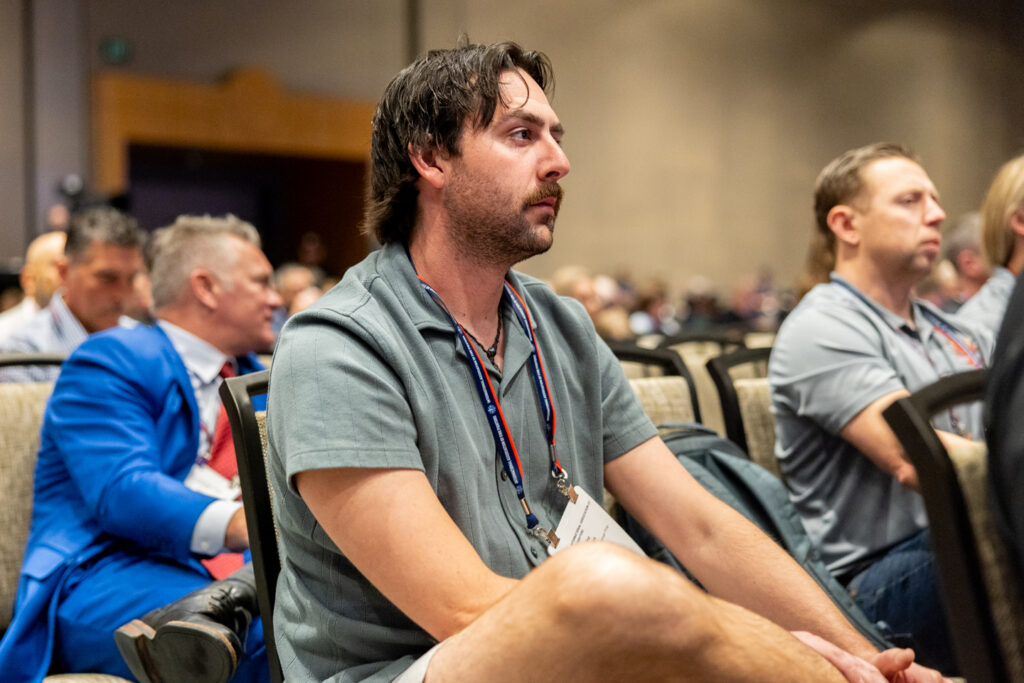
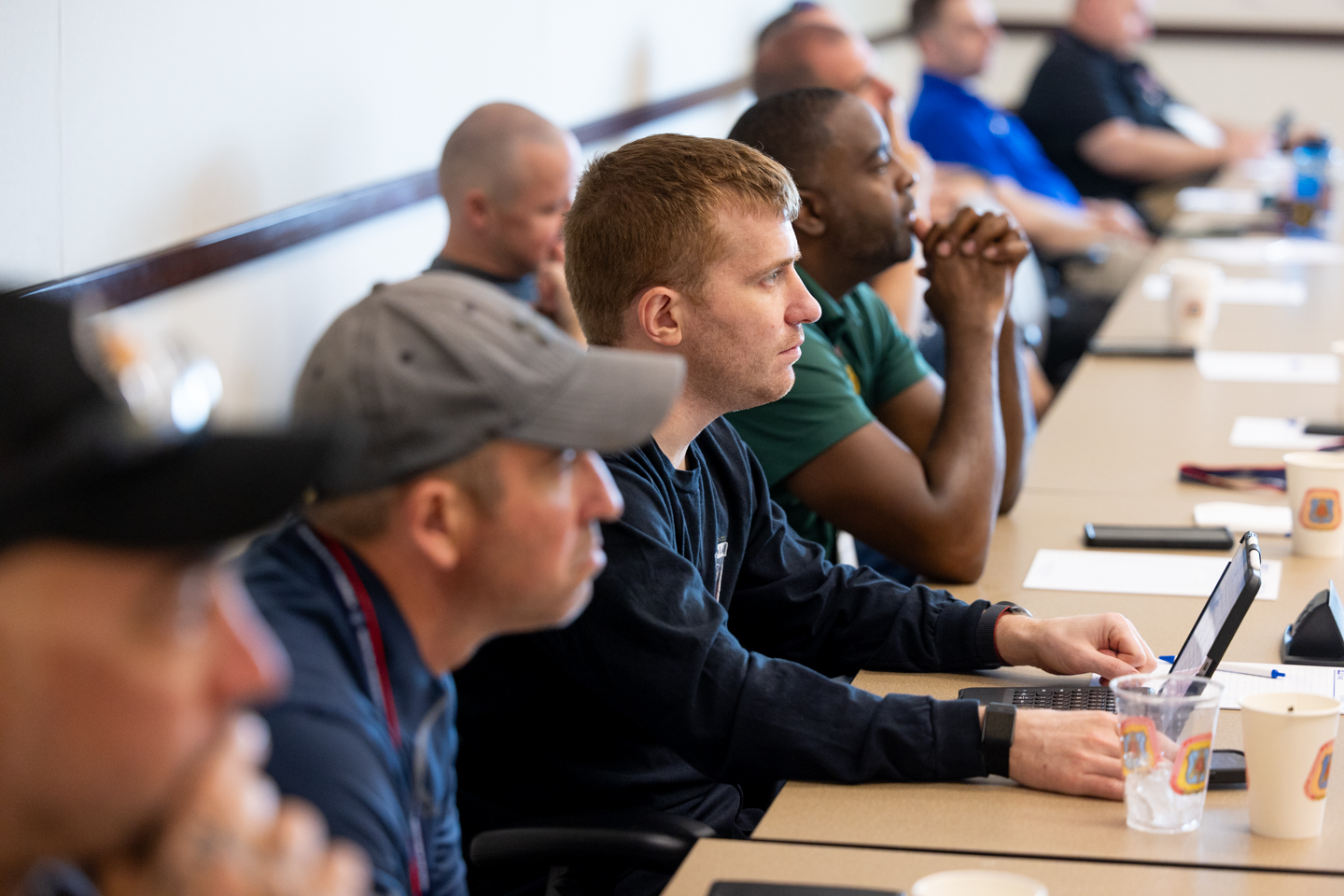
For up-and-coming leaders like Shogan, Strive isn’t just a conference – it’s an opportunity. By Sunday morning, he was already in his first class, shoulder to shoulder with IAFF members from across North America.
“First class right out of the gate was Command Mindset, and it was fantastic,” Shogan said.
“I have a Big Box Fire Ground Operations class this afternoon. It’s good to see fellow rank-and-file members like myself here, so it’s a great experience.”
Shogan wasn’t the only member looking to get more involved in their union.
Michael Jackson of Professional Wildland Fire Fighters Local I-96, now in his 13th year in the fire service, came to Strive with a clear purpose: learning more about the IAFF.
“I came to get knowledge about the union and all the ins and outs – the need-to-know things,” he said.
Even midway through the summit, that investment is paying off.
“I took a basic introduction into leadership in the union, and it’s only halfway through the conference, but I’ve already learned so much,” Jackson said.
For some members, like Skagit, WA Local 1983 member Jennifer Darling, Strive is helping change the trajectory of her Local.
“I’m a grant writer for my department,” Darling said. “We were denied a SAFER grant last year, and I needed to know why.”
“I am completely energized and thrilled with the information I just learned. I’m looking forward to the AFG grants coming out, and I have loads of information to take back to my people.”
Strive for Excellence is the IAFF’s most ambitious training summit in its 108-year history. The summit has brought together nearly 2,000 members who are eager to learn the skills they need to succeed for their membership and their communities.
I have a Big Box Fire Ground Operations class this afternoon. It’s good to see fellow rank-and-file members like myself here, so it’s a great experience.
westminster, co local 2889 fire fighter/paramedic alec shogan
As the General Session began Tuesday morning, General President Edward Kelly outlined how Strive for Excellence can prepare seasoned and up-and-coming union leaders.
“Some things on this job will never change,” Kelly said. “But parts of this job do change, and the stakes are too high not to change with it.”
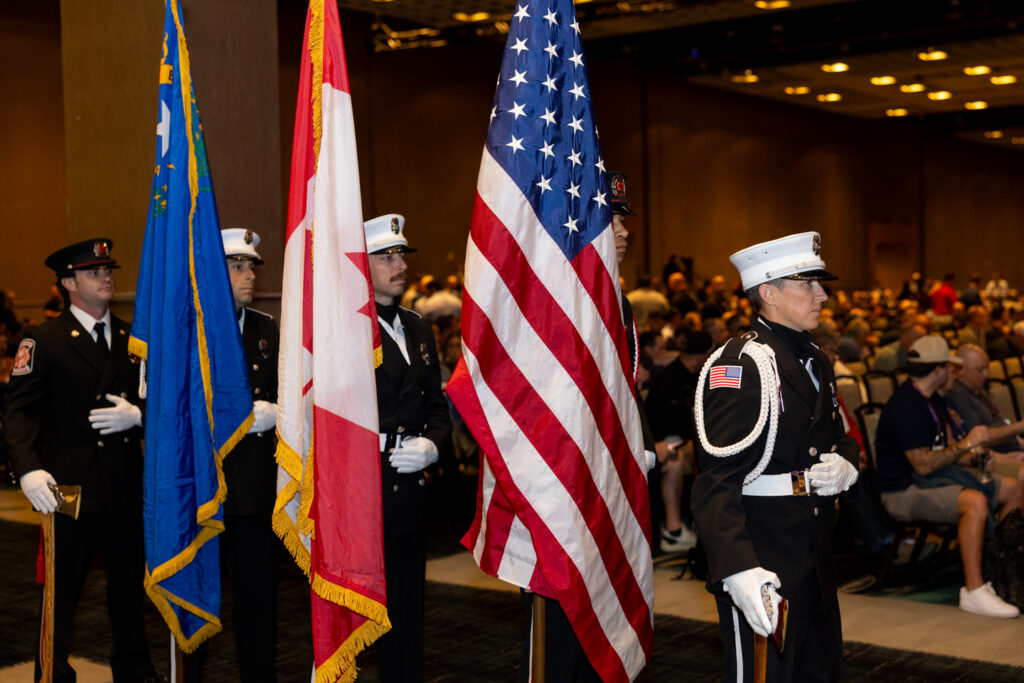
He highlighted how IAFF efforts training have led to major advancements in medical science and research, critical legislative;victories, and stronger protections for members across North America.
“None of these wins happened by accident or luck,” Kelly said. “It was because preparation met opportunity – which is the recipe for success. We must train to be excellent in everything we do. As rank-and-file members, as leaders, all of us must strive for excellence.”
None of these wins happened by accident or luck. It was because preparation met opportunity – which is the recipe for success. We must train to be excellent in everything we do. As rank-and-file members, as leaders, all of us must strive for excellence.
general president edward kelly
At its core, Strive is about equipping members with the tools they need to lead. That’s why the IAFF invited retired U.S. Marine Corps General and 19th Chairman of the Joint Chiefs of Staff, Gen. Joseph F. Dunford Jr., to be the keynote speaker.
Dunford shared lessons from his four decades of service.
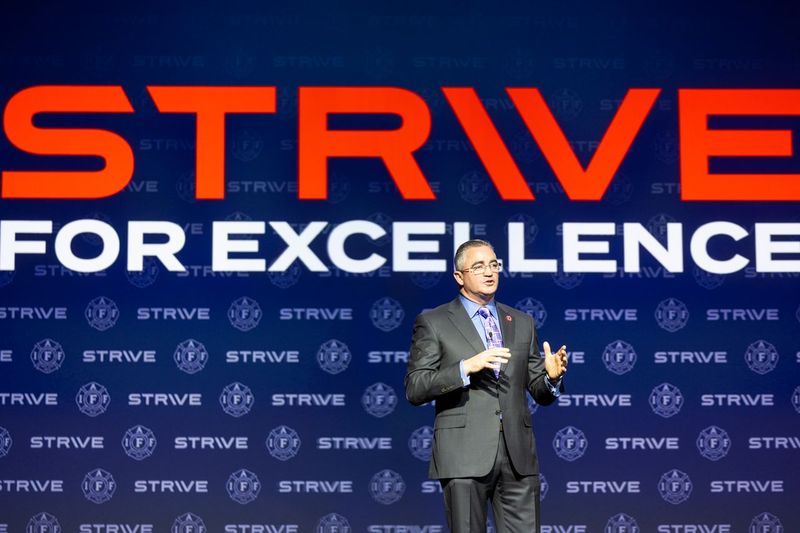
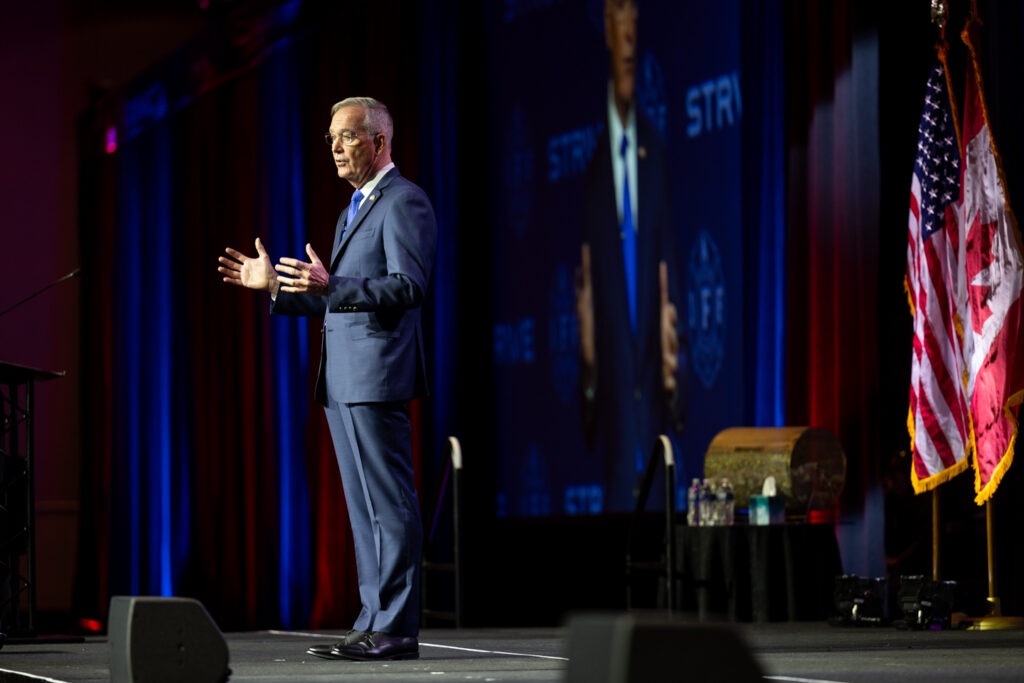
“If you have to tell people you’re in charge, you’re not in charge,” Dunford said. “As a leader, you have to take people on the journey. You have to develop a dialogue where you develop a common understanding.”
“But the most important thing as a senior leader is to set the climate and the culture of the organization,” he added. “Making sure that the intangibles – things like courage, honor, commitment, self-sacrifice, trust – that all these things exist inside the unit.”
“What differentiates truly excellent organizations from good organizations are those intangibles.”
Attendees also participated in a Q&A session, asking Dunford about challenges on the job, from motivating change to working with government officials, and how to avoid getting bogged down in day-to-day operations.