When Hurricane Helene struck Asheville, N.C., members of Local 322 risked their lives to rescue others, saving hundreds from floodwater despite damage to their own homes. In the weeks that followed, the community stepped in with donations, which Local 322 is now using to prepare for future disasters.
Helene, a Category 4 storm that devastated several states, left lasting impacts. For Asheville fire fighters, the storm highlighted the ongoing need for strong training and reliable resources.
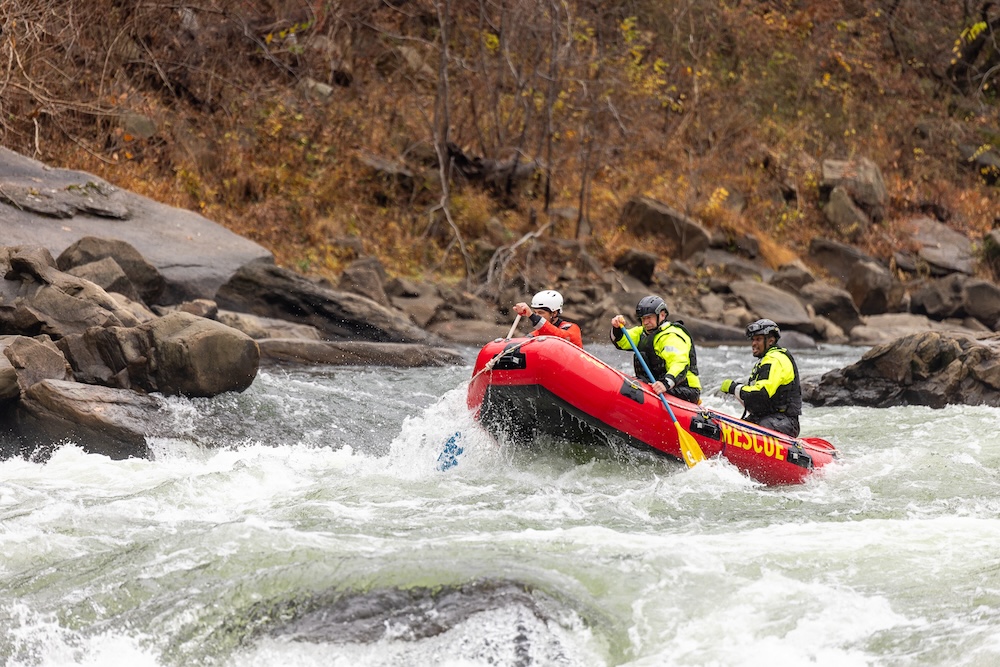
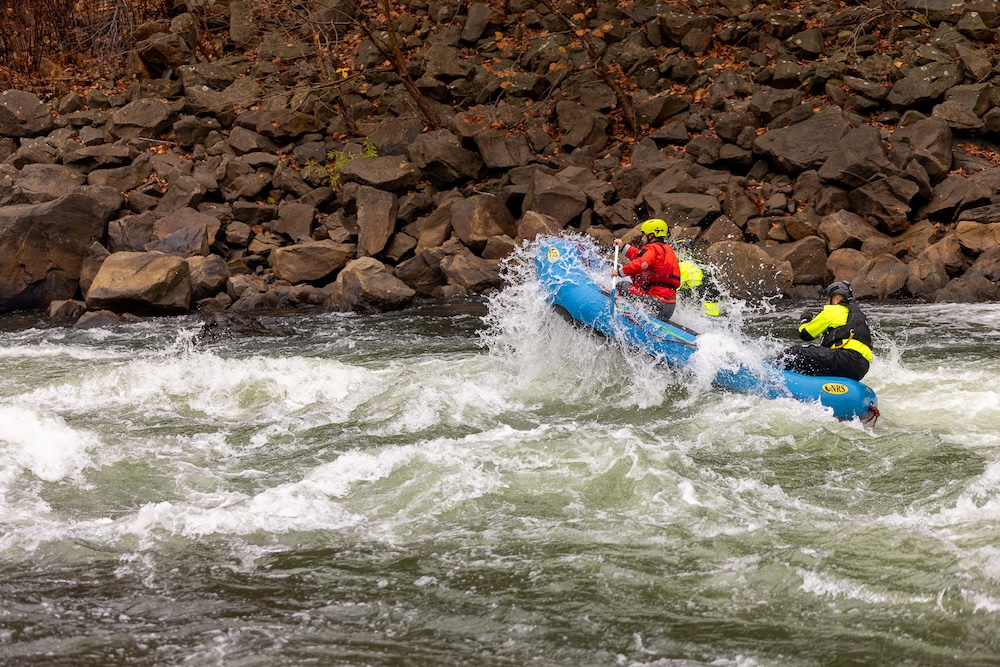
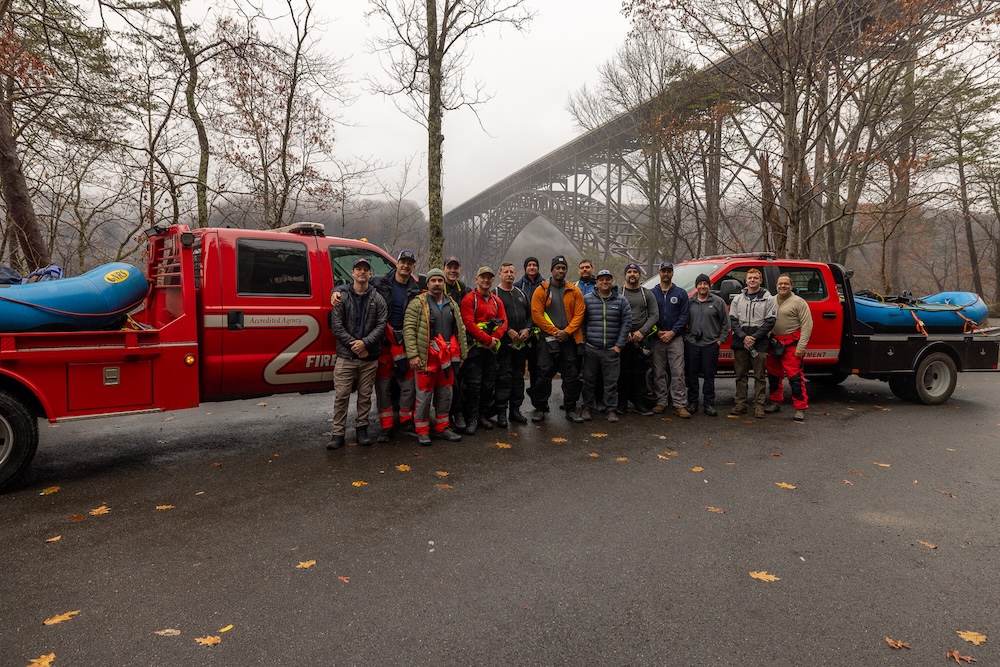
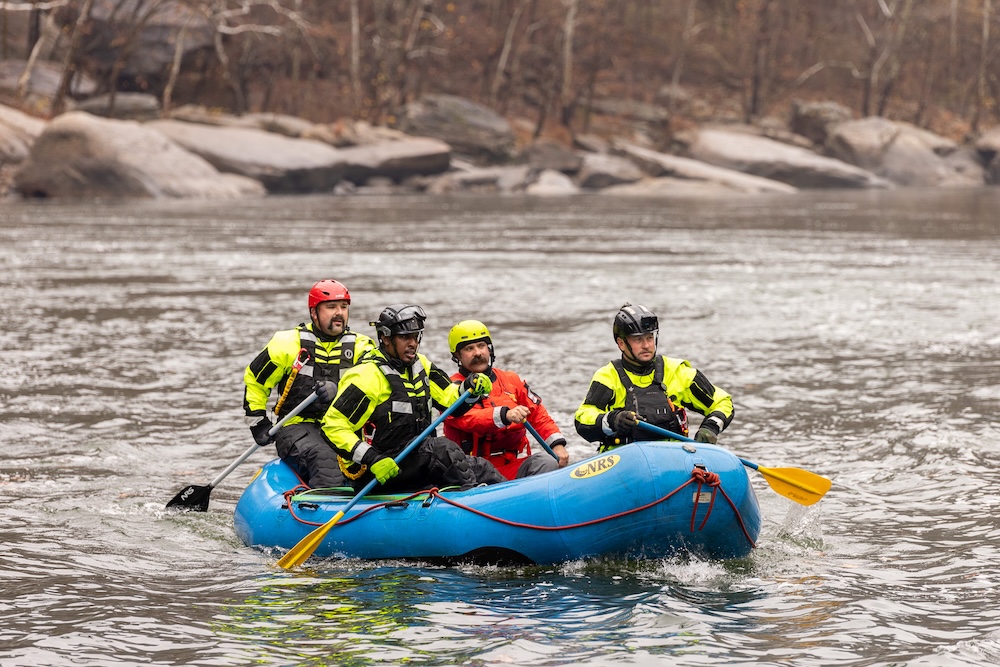
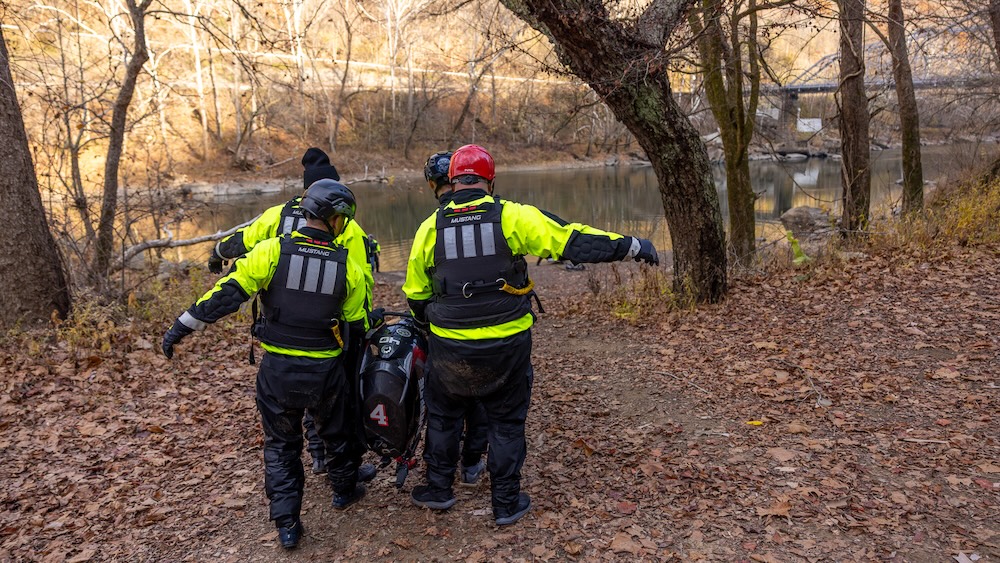
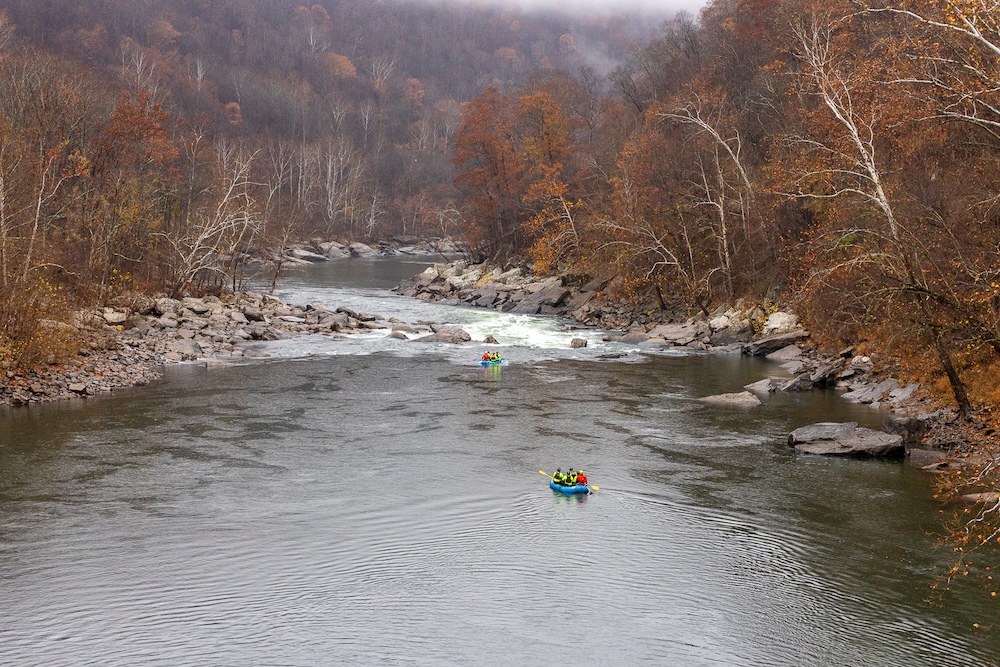
To improve readiness, 16 Local 322 members traveled to West Virginia for a week-long swift-water rescue training, funded entirely by the donations the community provided.
“The need became clear after Hurricane Helene stretched our small team of certified boat operators to the brink,” said Local 322 President Welcker Taylor. “This training is about getting in the water, navigating rapid, swift currents, and rescuing victims safely. It’s a combination of skills we’ll need the next time major flooding hits.”
The same donations that made this training possible are also helping members repair their homes, access cancer screenings, and receive mental health support.
“It was an amazing part of the response to Helene,” said Taylor.
Scott Mullins, president of the Professional Fire Fighters and Paramedics of North Carolina, said the support filled a critical gap.
It’s important to have these resources so fire fighters can be adequately prepared when emergencies occur.
Scott Mullins, president of the Professional Fire Fighters and Paramedics of North Carolina
“The community and the region donated a lot of funds, helping these swift-water rescue teams get training they weren’t able to get funded through the city,” he said. “It’s important to have these resources so fire fighters can be adequately prepared when emergencies occur.”
This experience also highlights the broader challenges fire fighters face regarding equipment, staffing, and required training – challenges the IAFF is actively taking steps to address.
The Occupational Safety and Health Administration’s (OSHA) Emergency Response Standard proposes an update to workplace safety standards for fire fighters and other emergency medical workers. If approved, it would be the first national improvement in fire service standards in over 40 years.
As Sean DeCrane, Assistant to the General President for Health and Safety, explained, “By enacting the proposed updated rule, OSHA would require communities to conduct risk assessments and provide the training and equipment fire fighters need to respond effectively when tragic events occur.”
Despite the destruction of their union hall and damage to homes and vehicles, Local 322 continues to work tirelessly to ensure that every fire fighter has the tools needed to face future disasters. “It’s hard to overstate how effective, professional, compassionate, and brave our fire fighters are. This training means we’ll have even more people ready when the next one comes,” said Taylor.
The IAFF and IAFF Foundation also provided funds and resources to fire fighters and families affected by Hurricanes Helene and Milton.