More than 8,000 IAFF members have gained bargaining rights in the last three years, a sign of growing momentum for fire fighters across the South.
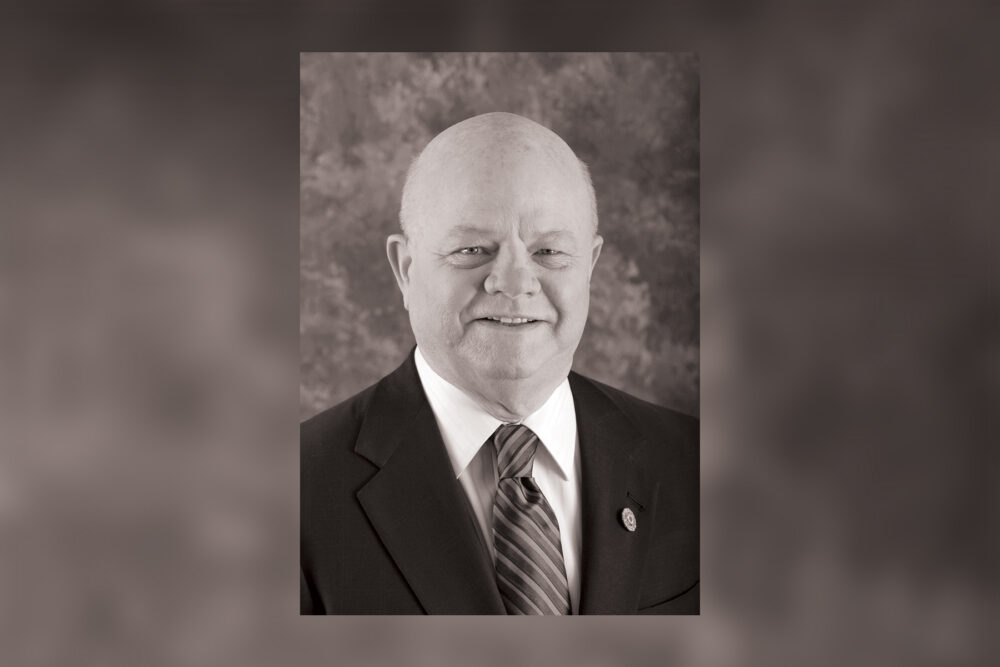
The gains reflect a deliberate strategy championed by General President Edward Kelly that focuses on winning collective bargaining rights at the local level while continuing to pursue federal legislation guaranteeing those protections nationwide.
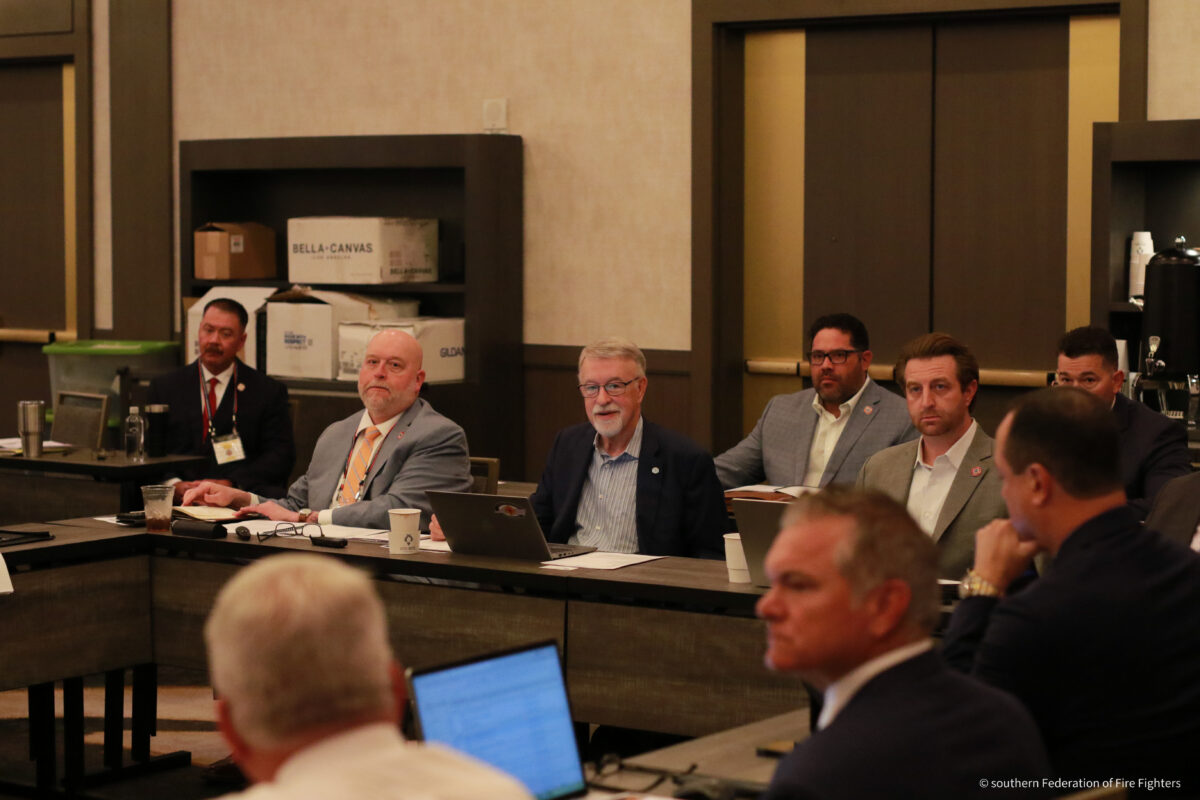
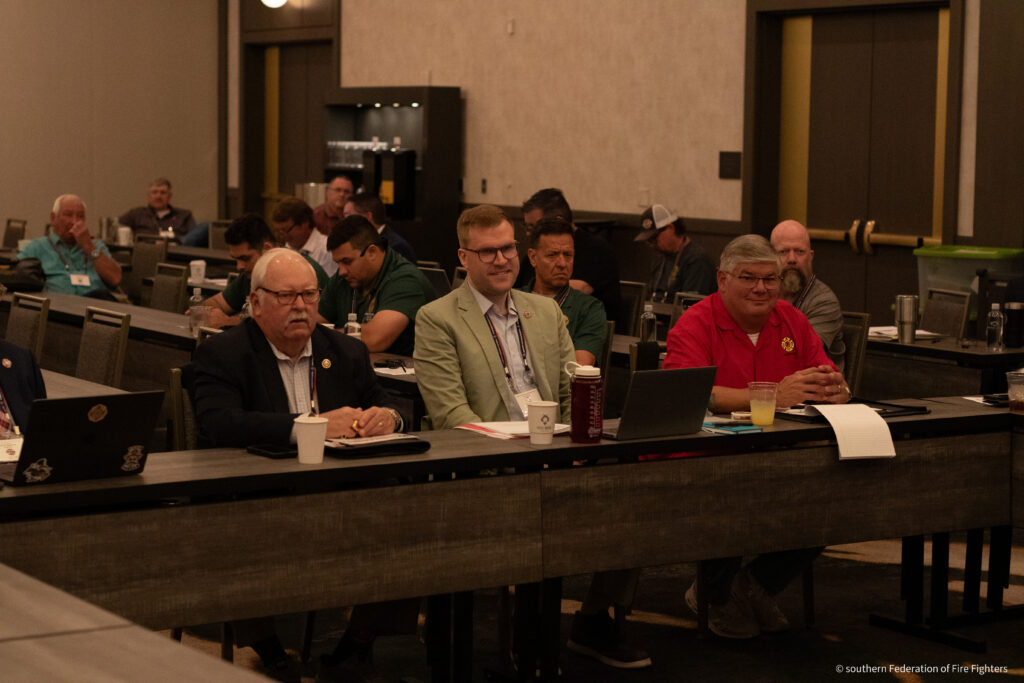
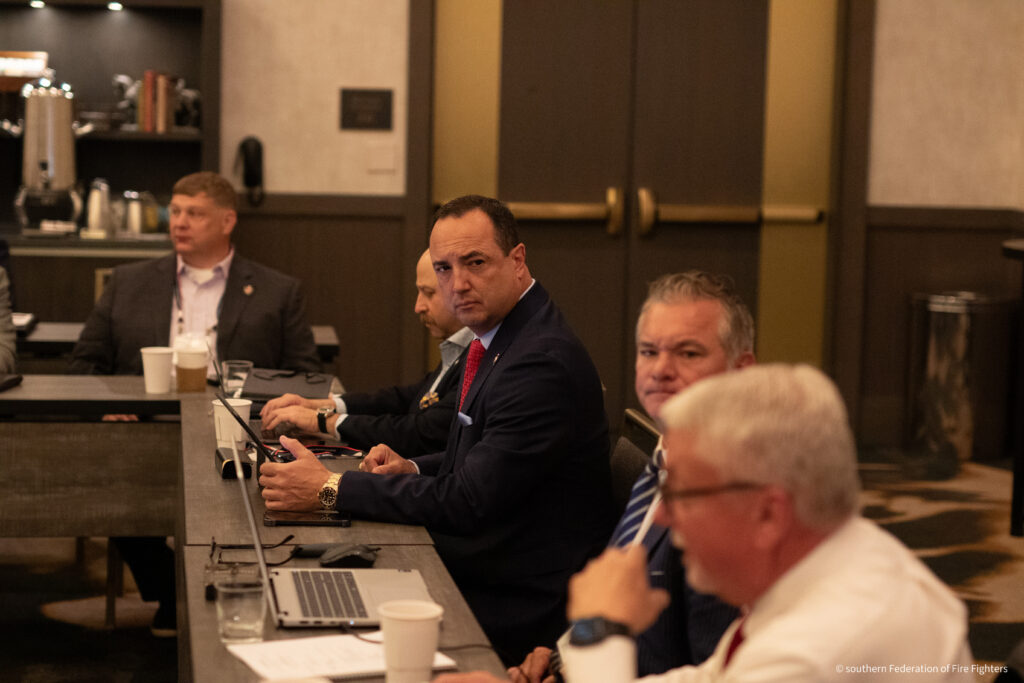
That progress took center stage as IAFF leaders gathered in Louisville, Kentucky, for the Southern Federation of Professional Fire Fighters‘ (SFPFF) Convention and a meeting of the IAFF’s Committee to Assist Non-Collective Bargaining States.
“We’ve refused to accept the idea that fire fighters who don’t have collective bargaining rights can’t win them,” Kelly said. “More than 8,000 members have gained those rights because our on-the-ground approach is working.”
Southern Fire Fighters are Making Major Gains
Attendees celebrated victories across the Southern Federation’s 19 affiliate states that have strengthened fire fighters’ voices in the workplace.
Atlanta Fire Fighters Local 134 signed its first-ever collectively bargained contract with the city, covering 850 members. Jackson, Mississippi, Local 87 and Gary, Indiana Local 539 negotiated their first contracts in more than 20 years. In Texas, Irving Local 2073 and Hutto Local 4707 secured first contracts after winning ballot referendums during recent elections.
Arkansas Professional Fire Fighters successfully secured legislation allowing cities to adopt a Fire Fighter Bill of Rights, with Fayetteville Local 2866 becoming the first Local in the state to enact these protections into municipal statute.
In Maryland, fire fighters won a standardized statewide 42-hour work week through the leadership of the Professional Fire Fighters of Maryland (PFFMD). In Asheville, North Carolina, Local 332 secured guaranteed union representation during grievance hearings thanks to union advocacy.
We’ve refused to accept the idea that fire fighters who don’t have collective bargaining rights can’t win them. More than 8,000 members have gained those rights because our on-the-ground approach is working.
General President Edward Kelly
These are just some of the historic achievements IAFF members are securing in the South. But they didn’t just happen – they’re the result of a sustained, organized, and collaborative effort between all levels of the IAFF.
“They happened because fire fighters increased their political power by getting involved.” said Assistant to the General President for Government Affairs and Political Action Chris “Blue” Bartley. “That shift has been critical to helping members educate the public and elected officials about how collective bargaining strengthens the fire service, city budgets, and public safety.
Many affiliates also received support from the IAFF’s Government Affairs, Technical Assistance (TAIR), Organizing, Legal, and Communications divisions during their campaigns.
Meeting Setbacks Head-On
Leaders also emphasized that protecting bargaining rights remains just as important as winning them.
In Virginia, Gov. Abigail Spanberger broke her campaign promise to support workers’ voices when she vetoed legislation to expand bargaining rights to the commonwealth’s public employees – including fire fighters.
In Salisbury, Maryland, the city council voted to remove bargaining protections for the city’s employees. And legislatures in Kentucky, Arkansas, West Virginia, and other states all introduced bills to reduce or eliminate the rights and voices of workers. But fire fighters fought back.
The SFPFF was founded to expand bargaining rights across our 19 member states. Thanks to the work of IAFF members across the South, our mission has grown into not only securing those rights, but protecting them.
SPFFF President Larry “Joe” Baer
Despite those challenges, IAFF members successfully blocked anti-bargaining legislation in multiple state capitals – including Arizona, Arkansas, Idaho, Montana, New Hampshire, and West Virginia – and continue working to restore protections where they have been weakened. In Utah, fire fighters and other workers led the largest signature-gathering campaign in state history to stop a bill eliminating collective bargaining rights for public employees. The measure was ultimately blocked during a special session called by the governor.
In Salisbury, Local 4246 is actively working to run a ballot measure to reverse the council’s decision to strip worker protections. And the Professional Fire Fighters of Virginia are making clear they disapprove of Spanberger’s veto, protesting her appearances at multiple locations across the Commonwealth.
The Fight for Bargaining Rights Continues
With limited labor protections and a long history of anti-union sentiment, fire fighters face an uphill fight in the American South. But they’re making significant progress and delivering real results for their members.
“The SFPFF was founded to expand bargaining rights across our 19 member states. Thanks to the work of IAFF members across the South, our mission has grown into not only securing those rights, but protecting them,” said Southern Federation President Larry “Joe” Baer.
“Winning those rights is only part of the fight. Anti-union forces haven’t given up on taking them away, and we’ll remain vigilant to ensure every member has a voice on the job.”