Fire fighters across Canada are responding to new and growing risks – from lithium-ion battery fires to gaps in airport rescue standards – that are changing how crews operate on the ground.
This week in Ottawa, IAFF leaders brought those realities to Parliament Hill, pressing for changes needed to keep fire fighters and the public safe.
At the 33rd IAFF Canadian Legislative Conference, members met with federal officials – including Prime Minister Mark Carney – to advance three priorities: addressing lithium-ion battery fires, strengthening airport firefighting standards, and increasing benefits for families of fallen members.
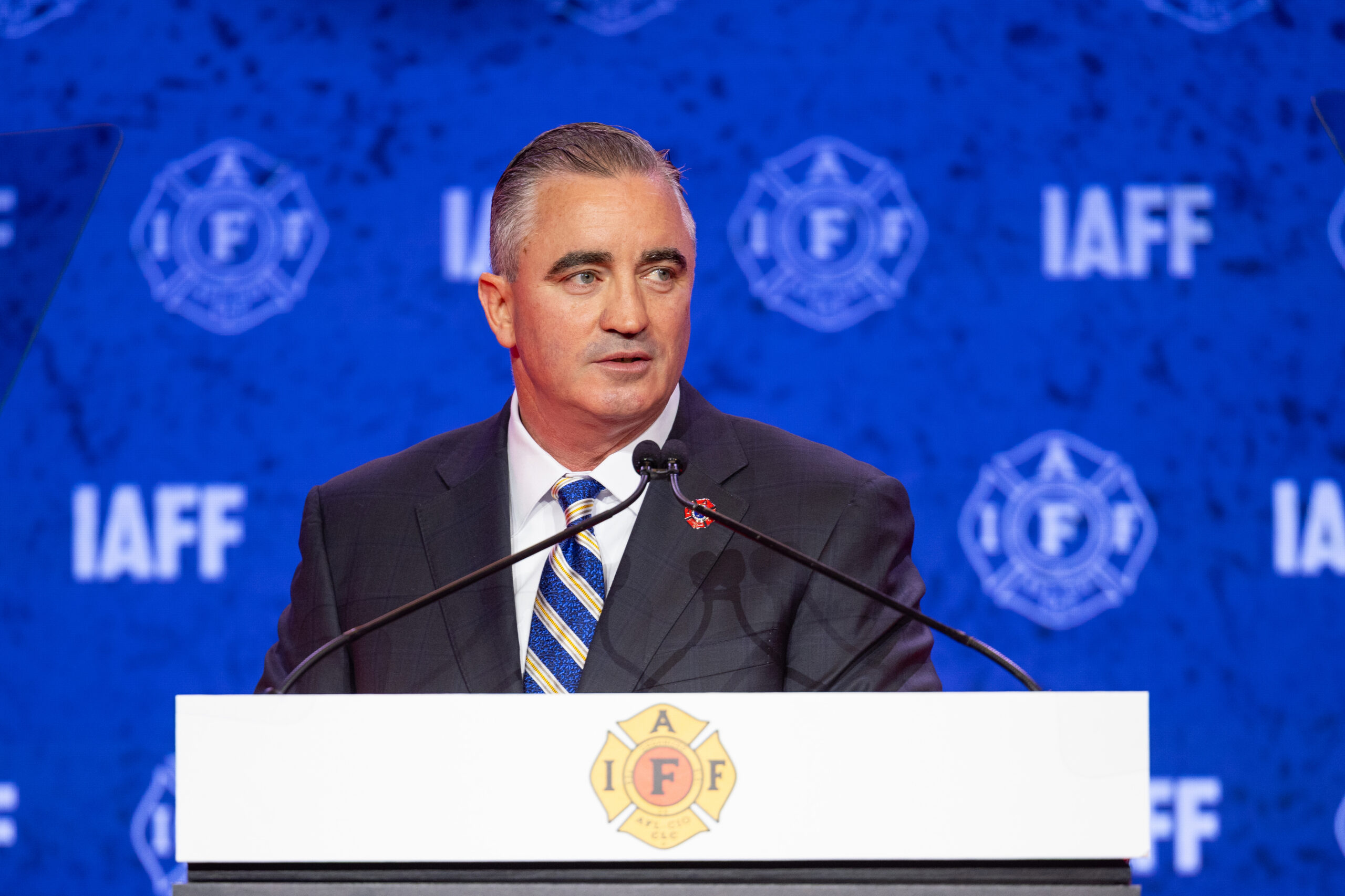
“Our job is dangerous and the risks are constantly evolving,” General President Edward Kelly said. “Policy hasn’t kept pace. The gaps are clear, but so are the solutions.”
Our job is dangerous and the risks are constantly evolving. Policy hasn’t kept pace. The gaps are clear, but so are the solutions.
general president edward kelly
During General Session, Kelly reminded delegates that their collective voice is what drives change.
“People know that this union fights for its members, no matter what,” he said
From the fireground to Parliament Hill
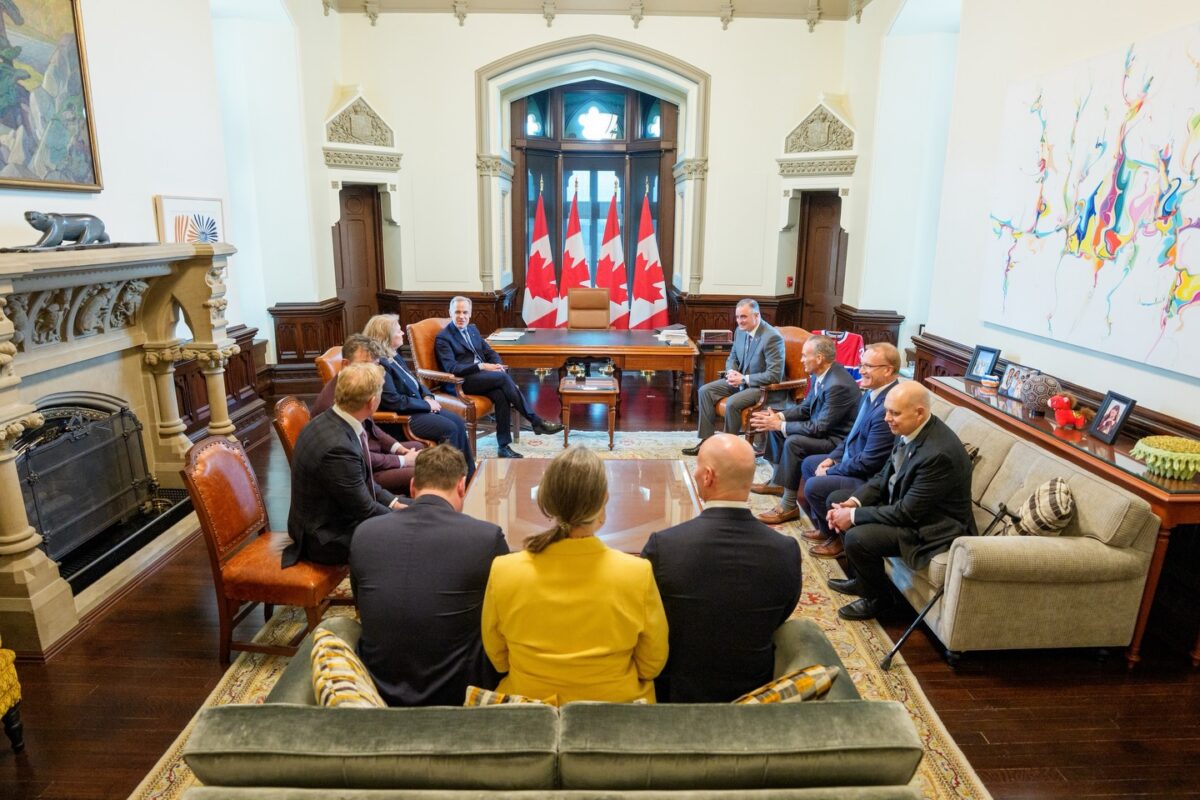
Kelly, General Secretary-Treasurer Frank Líma, and IAFF leaders shared that message in a meeting with Carney – his first with the IAFF since becoming Canada’s Prime Minister.
“Keeping Canadians safe starts with making sure fire fighters are adequately trained and prepared not just for today’s threats – but for what comes next,” Kelly said. “We appreciate the Prime Minister taking the time to engage directly on these public safety issues.”
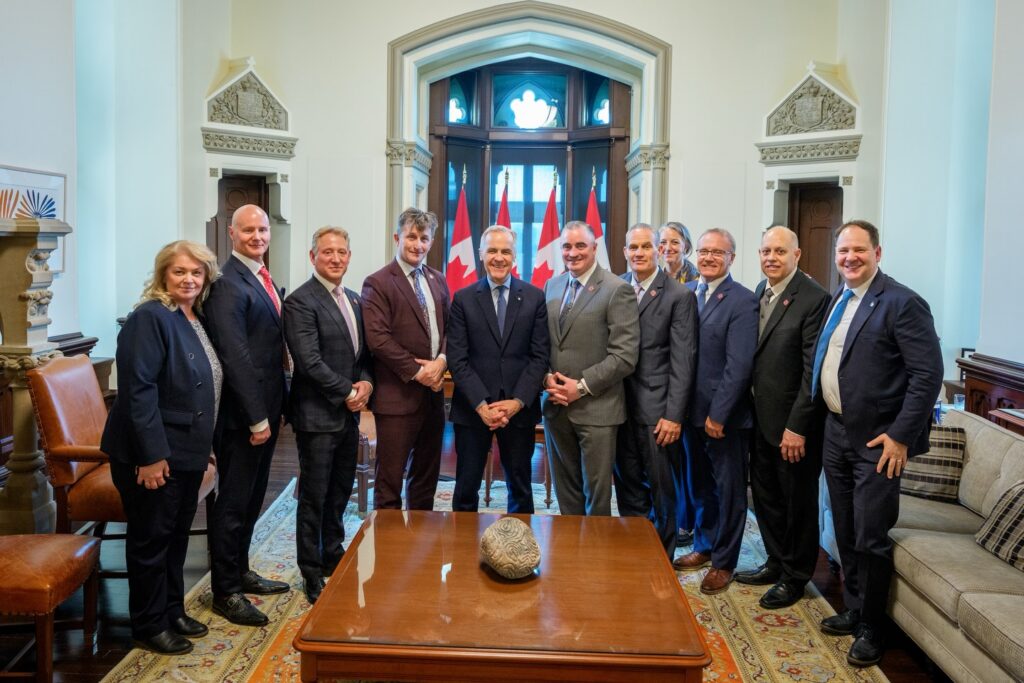
Carney thanked IAFF members for their service in a Facebook post following the meeting.
For Ottawa, ON Local 162 President Genna McMillan – whose Local represents fire fighters in the Prime Minister’s home riding – the goal was making sure frontline experience shapes federal decisions.
“When interests are aligned, a shared perspective can be had. Everyone in that room understood the importance of prioritizing the safety of the public as well as those who protect the citizens of Canada,” said McMillan. “Seeing the reception that Carney gave to our issues, as outlined by GP Kelly, provides confidence that a table is set for productive collaboration between our government and the IAFF.”
Everyone in that room understood the importance of prioritizing the safety of the public as well as those who protect the citizens of Canada.
Ottawa, ON Local 162 President Genna McMillan
The meeting included IAFF leadership and federal officials, including District Vice Presidents Mike Carter, Fred LeBlanc, and Chris Ross, Assistant to the General President for Canadian Operations Carmine Santoro, and IAFF Medical Assistance Program contractor Neil McMillan, along with Secretary of State for Labour John Zerucelli and MP Sherry Romanado, a longtime advocate for fire fighters.
Across the conference, leaders said the pace of advocacy reflected the urgency behind the issues.
“We began the first day listening to Minister of Emergency Management Eleanor Olszewski addressing the entire body, and within a minute of her finishing, we were meeting with her and her staff to go over the issues we brought to the Hill,” Edmonton, AB Local 209 Vice President Jay Davies said.
Joe Triff, president of the Atlantic Provinces Professional Fire Fighters Association, said the conference materials and priorities book helped members engage effectively with elected officials.
“The three priorities were well laid out. The information fact sheets were clear, legible, and the right size. That made it easy for Local advocates to go to Parliament Hill, meet with their members of Parliament, and explain the issues,” Triff said.
Toronto, ON Local 3888 Vice President Justin D’Aloisio said the conference’s success came down to clear, practical priorities grounded in strong research.
“We were met by all of the MPs with understanding and a genuine desire to help. Their support speaks to the professional relationships our association is forging at all levels of government,” he said.

Three priorities shaped by rising risks
Those priorities were shaped by the challenges fire fighters are seeing every day – and the gaps in policy that continue to put the public at risk.
“IAFF members from across Canada were well prepared and focused as they had an extensive series of meetings with MPs from every party, and the response and support were overwhelmingly positive,” said Santoro. “There is a clear understanding that airport safety, support for families of our fallen, and lithium-ion battery risks need action.”
Lithium-ion battery fires
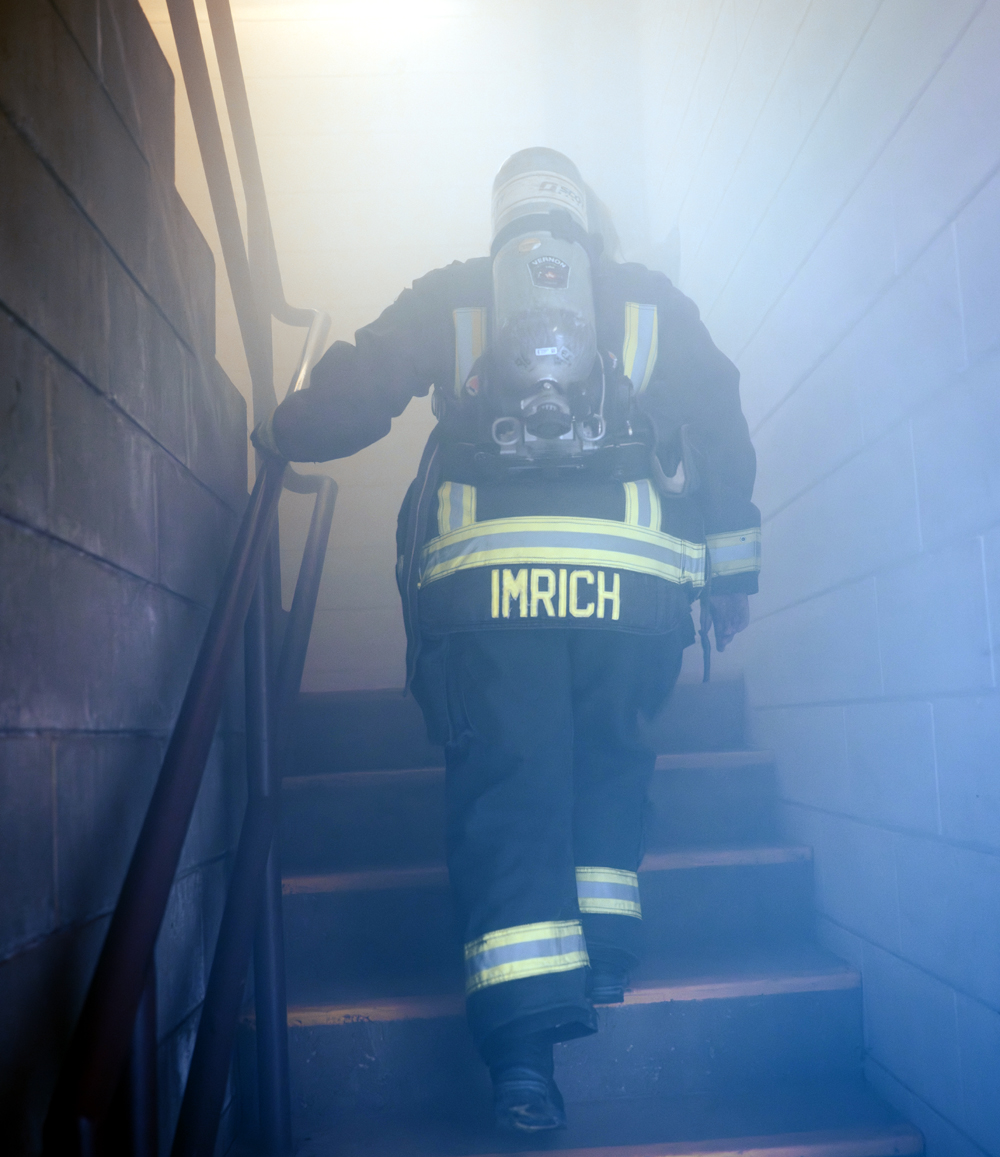
Fire fighters across Canada are responding to a growing number of lithium-ion battery fires linked to e-bikes, scooters, power tools, and everyday electronics.
These fires burn hotter, last longer, and produce highly toxic smoke, increasing the risk to both fire fighters and the public.
Departments are reporting sharp increases, including a 500% rise in Vancouver since 2016, a 591% surge in Toronto between 2020 and 2024, and a 195% increase in Montreal since 2022.
The IAFF is calling for a National Lithium-Ion Battery Fire Fighter Safety Initiative, including a national database to track all related incidents, standardized training and response protocols, funding for research on exposures and health risks, and investments in training and protective equipment.
Airport firefighting standards
Fire fighters say Canada’s current aviation regulations fall short of international standards for staffing, response times, and rescue requirements during aircraft emergencies.
Gaps in staffing and delayed response times can directly impact survival in the critical first minutes after an incident.
The IAFF is pushing for reforms to align Canadian regulations with global benchmarks and ensure fire fighters have the resources needed to perform rescues safely and effectively.
Memorial Grant Program for fallen members
Established in 2018 at $300,000, the Memorial Grant Program has lost approximately 25% of its value due to inflation.
The IAFF is calling to increase the benefit to $375,000 and index it annually to the Consumer Price Indexso it does not continue to erode over time.
For McMillan, the issue is deeply personal.
“We have seen the tragedies that have occurred in recent years at airports here and in the U.S., and we have also experienced the challenges and heartache that are on the rise from lithium-ion battery fires. But for me, of the three issues we brought to the Hill, the increase and indexing needed for the Memorial Grant Fund is the one that hits closest to home,” she said.
“Sadly, Local 162 memorializes far too many of our fallen each year in Colorado Springs and at tributes in Ottawa and Toronto. The federal government’s recognition of these sacrifices should not fade or be diminished year over year, as the monetary value of this fund remains fixed at its 2018 rate.”
Triff echoed that concern.
“We’ve experienced a few tragic cancer-related line-of-duty deaths in recent years, and it’s clear how much this impacts everyone,” he said. “I believe we’ll make progress on it – I’m hopeful.”