Joseph Gallucci Jr, a member of the Uniformed Firefighters Association of New York Local 854, was on duty at Engine Company 28, Ladder 11, when he went into cardiac arrest.
He was surrounded by people who knew exactly what to do. They used their training as paramedics to keep him alive until the transport unit reached Bellevue Hospital, where the team had to revive him twice.
He survived the 2025 attack but is retiring at the advice of his medical team.
“I am lucky that it happened where it did, and that I am getting the care I need so that I can be around for my wife and our three children,” Gallucci said. “I hope my story will serve as a reminder to others about the importance of preventive care.”
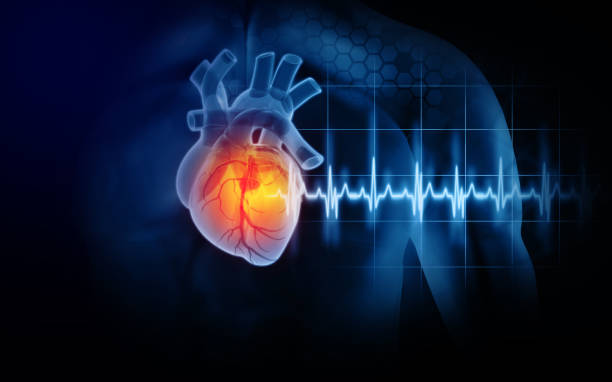
February’s Heart Health Month serves as a reminder not to skip annual physicals, prioritize cardiovascular fitness, and protect recovery.
Heart attacks are still the leading cause of on-duty fatalities among fire fighters, according to the National Institutes of Health. In fact, cardiac events account for 45% of fire fighter deaths.
WHY THE RISK IS HIGHER
Firefighting places extraordinary strain on the body. Intense physical exertion, heat stress, dehydration, adrenaline surges, smoke exposure, sleep disruption, and chronic stress combine to significantly increase cardiovascular risk.
WHAT YOU CAN DO TO LOWER YOUR RISK
Experts recommend the following:
Get your annual physical. Fire fighter physical exams outlined in NFPA 1580 are designed to identify cardiovascular risk factors early. Annual evaluations typically include a medical history review, blood and urine analysis, cardiac screening such as an EKG, pulmonary function testing, and other assessments focused on fitness for duty.
If available, fire fighters also have the option of advanced cardiac screenings to detect hidden heart attack risks. Key tests include coronary artery calcium (CAC) scans to measure plaque, cardiac CT angiography for blood vessel blockages, and exercise or nuclear stress tests to monitor heart function under exertion.
Prioritize fitness. Getting fit enables fire fighters to counter some risk factors. For example, the physical strain of climbing several flights of stairs, carrying equipment, and rescuing victims will be lessened if you are physically fit.
Eat healthy. Diet influences blood sugar, cholesterol, body composition, and inflammation, while hydration affects blood volume and cardiovascular strain.
Limiting processed foods and excess sodium, while staying hydrated, can reduce cardiovascular strain and long-term risk.
Recover and hydrate. It is important to get as much uninterrupted sleep as possible and to hydrate. These practices help encourage healthy blood pressure readings, decrease inflammation, and help the body recover from strenuous activities like responding to a fire.