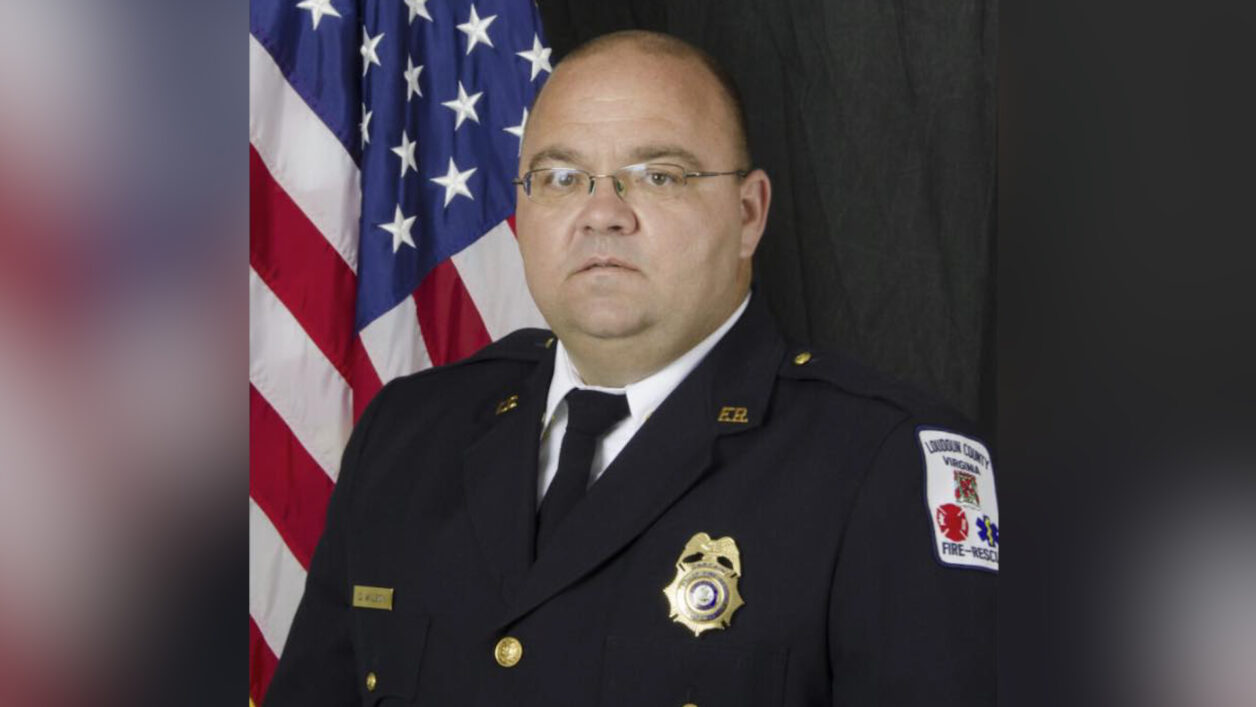
Loudoun County, VA Local 3756 Capt. Dannie Wilson served for over 25 years on the job. In early 2025, he was diagnosed with esophageal cancer after undergoing a scan for unrelated back pain. By the time it was discovered, the cancer had already progressed.
At the time of his diagnosis, Virginia’s presumptive cancer law listed throat cancer as a covered condition, but that terminology created confusion.
“They said, ‘Well, he’s got esophageal cancer. Case law says that we’ve denied esophageal cancer in the past, so we’re denying his case,’” said Local 3756 President John Myers.
The issue stemmed from the way the original law was written, using a nonmedical term.
“In reality, throat cancer isn’t even a recognized term,” Myers said. “The law was clearly meant to cover cancers in that region, but the wording left too much room for interpretation.”
Recognizing the gap, the Virginia General Assembly passed legislation earlier this year amending the state code to include esophageal and other similar cancers under workers’ compensation coverage, with the legislation taking effect on July 1, 2025. Advocacy efforts by the Virginia Professional Fire Fighters was instrumental in securing these changes.
“He died on Aug. 31 which means his death ‘should’ be covered, but we have to wait to hear back from the state on his Virginia Line of Duty Act (LODA) claim,” said Myers.
Chris Bartley, Assistant to the General President for Government Affairs and Political Action, stressed the urgent need for these legal changes, underscoring the importance of presumptive cancer laws in protecting fire fighters.
Presumptive laws recognize the reality: fire fighters are routinely exposed to toxic chemicals, carcinogens, and hazardous environments.
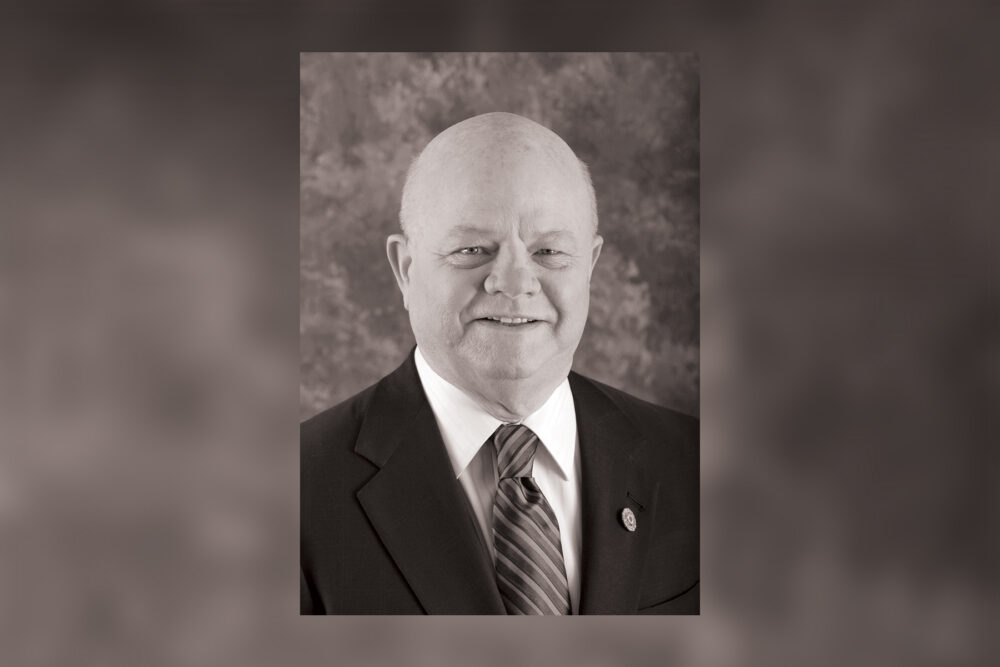
Chris Bartley, Assistant to the General President for Government Affairs and Political Action
“Presumptive laws recognize the reality: fire fighters are routinely exposed to toxic chemicals, carcinogens, and hazardous environments. The job itself increases the risk of developing cancers like leukemia, lymphoma, multiple myeloma, and cancers of the lung, bladder, kidney, and esophagus,” said Bartley.
Expanding presumptive cancer coverage remains a priority for the IAFF, state leaders, and Local 3756.
According to Myers, an ongoing study at the Inova Saville Cancer Screening and Prevention Center in Northern Virginia has already identified several area fire fighter cancer cases this year. “It’s efforts like these, building partnerships and identifying where we’re seeing higher rates of diagnosis, that allow us to take solid data back to Richmond,” he said. “We’re working one by one to expand the list, but the gold standard is simple: if you hear the word ‘cancer,’ it should be covered.”
Myers said a line of duty designation in Wilson’s. case would provide additional benefits, including lifetime healthcare for his family and a $75,000 payment. He and others are now hoping for the recognition that reflects Wilson’s service and sacrifice.
“Dannie was a great teacher, and he loved his wife and children more than anything else,” said Myers, adding, “more needs to be done so something like this doesn’t happen to another family.”
To learn more about presumptive laws in the U.S. and Canada, visit the IAFF presumptive health coverage database here.