When longtime Memphis Local 1784 Fire Fighter/EMT Jeffrey Scott Arick collapsed and died at home in 2020, his wife, Stephanie, and their children were left with little time to grieve before facing a new reality – a life without a dedicated husband and father.
The memory still plays over and over in Stephanie’s mind.
“The day he passed, he complained of chest pains. He truly thought he pulled a muscle from his work doing a vehicle extrication during his last shift,” said Stephanie. “He passed in front of my 11-year-old daughter, and she had to watch me give CPR while she was on the phone with 911.”
Jeff’s story
Jeff had just completed a 30-plus-hour shift, worsened by Memphis Fire Department staffing shortages during the COVID-19 pandemic. According to court records, that particular tour involved physically demanding tasks, including a “difficult” two-hour vehicle extrication performed in extreme heat while wearing full turnout gear.
“He was wonderful,” Stephanie said. “You know how you hear everybody say, ‘He was wonderful.’ He was. He was a wonderful man.”
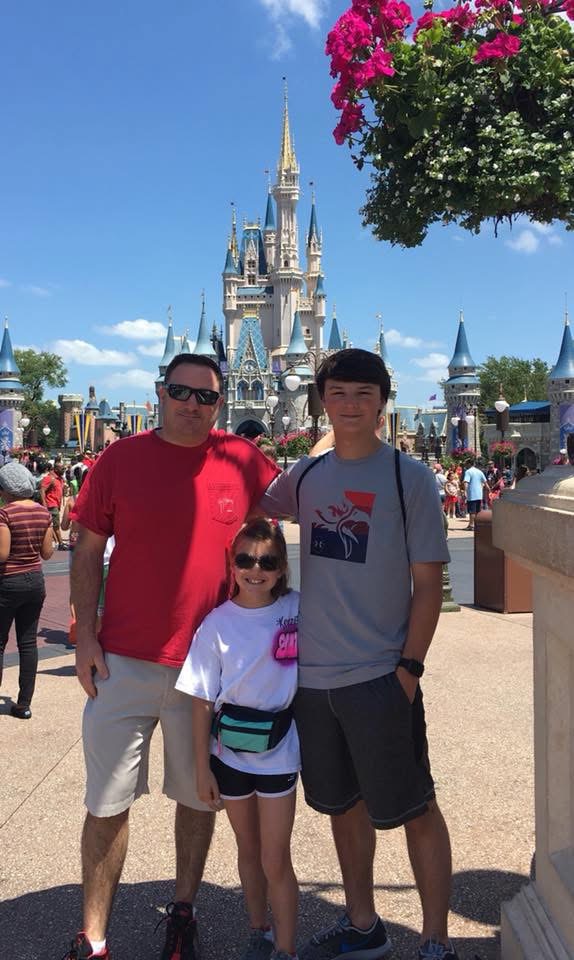


Despite her husband’s dedication, Stephanie says the city of Memphis denied her claim that his death qualified as a line-of-duty death (LODD), arguing it wasn’t work-related. The decision left the mother of three facing financial hardship and uncertainty.
“Those first couple of years were the hardest,” she said. “We had to rely on the union’s support, a GoFundMe, a small pension. It took months to even understand what the city planned to do. The union was my lifeline, and they didn’t just fight for the benefits, they checked on us, prayed for us, became friends, and that meant everything.”
The union was my lifeline, and they didn’t just fight for the benefits, they checked on us, prayed for us, became friends, and that meant everything.
stephanie arick, jeff’s widow
Memphis, TN Local 1784 Secretary-Treasurer Matthew Tomek said that during the height of the pandemic, fire fighters like Jeff were routinely working excessive overtime.
“A lot of folks were off sick, so the ones still on duty were working a lot more,” Tomek said. “He worked a 30-hour shift, went home, and you can see what happened after that.”
Initial denial of benefits
Jeff’s eligibility for benefits under the City of Memphis’ Pension Ordinance and On-the-Job Injury (OJI) policy was initially denied – despite Tennessee law allowing a heart attack to be classified as work-related if caused by physical exertion, even while off duty.
Local 1784 appealed the denial, and the membership voted to provide legal support.
“When the city didn’t recognize it as a line-of-duty death, it meant her income wouldn’t be as much, and we felt it was the right thing to fight for that and to show it was job-related,” said Tomek.
The nearly five-year legal battle shifted when expert testimony from IAFF Chief Medical Officer Dr. Dan Whu, MD, MPH, directly challenged the city’s position. Neil McMillan and Christopher Pecori, also representing the IAFF, travelled to Memphis to support Local 1784 Attorney Erin Shea of Snider & Horner, and Whu’s testimony explaining why the initial decision was a mistake.
“We’ve been urging the city to try to mirror some of this Public Safety Officers’ Benefits Program (PSOB) language that says a heart attack can happen at work or at home after a strenuous, long shift,” said Local 1784 President Thomas Malone. “The city’s cardiologist was adamant nothing was caused by the job, and he had a good reputation. When Dr. Whu and his team took him on, we had a chance.”
When the city didn’t recognize it as a line-of-duty death, it meant her income wouldn’t be as much, and we felt it was the right thing to fight for that and to show it was job-related.
local 1784 secretary-treasurer Matthew tomek
Heart attacks are the leading cause of on-duty deaths among fire fighters, with cardiovascular disease accounting for 45 percent of all duty-related fatalities.
Whu testified that Jeff’s heart attack was more likely than not caused by exposures he encountered on the job. He further concluded that Jeff’s underlying heart disease was significantly influenced by his 17 years of occupational exposure to firefighting hazards, including PFAS, diesel exhaust, and carbon monoxide. Citing peer-reviewed studies, Whu noted that fire fighters face significantly higher rates of heart disease than the general population.
“This case was a direct challenge to our presumptive law, and if we can’t push back, our protections don’t mean anything,” said 14th District Vice President Danny Todd.
IAFF Medical Assistance Program (MAP)
Employers can rebut presumptive laws by hiring a medical expert to state that – in their opinion – the injury, disease, or death was not caused by the fire fighter’s occupation.
“That is all it takes to effectively shift the burden of proof back to the fire fighter,” Whu added. “Once this happens, the fire fighter will have little to no recourse if he or she has no competent and expert medico-legal counsel and testimony during the appeal’s process.”
Recognizing this void, IAFF General President Edward Kelly launched a pilot Medical Assistance Program (MAP) to provide critical support to members and families. After reviewing more than 100 cases over approximately two years, the need for MAP became so clear that in 2024, the membership formally adopted it through a resolution at the IAFF’s 57th Convention.
Too many fire fighters are denied the benefits they rightfully earned – not because their case lacks merit, but because they don’t have the science and support they need to counter flawed decisions. We created the Medical Assistance Program to make sure our members and their families don’t have to fight these battles alone.
general president edward kelly
“Too many fire fighters are denied the benefits they rightfully earned – not because their case lacks merit, but because they don’t have the science and support they need to counter flawed decisions,” Kelly said. “We created the Medical Assistance Program to make sure our members and their families don’t have to fight these battles alone.”
The MAP evaluates each case individually, critically reviewing the medical, familial, social, and occupational risk factors, and then correlates these findings with the available epidemiological and toxicological research for the condition at hand.
“This program is critical,” Malone said. “With experts like Dr. Whu, we can challenge flawed medical opinions. The court found our evidence more credible, and we believe this ruling will help other IAFF Locals facing similar challenges.”
Final court ruling and program’s impact
Ultimately, the court found Dr. Whu’s fact-based testimony more credible than that of the three cardiologists hired by the city. Jeff’s death was declared to have occurred in the line of duty, and on July 16, 2025, the City of Memphis was ordered to award benefits to Stephanie.
“There was no possible way I could have afforded a long, legal battle had it not been for the IAFF agreeing to pay it for me, and I thank everyone from Local 1784,” said Stephanie. “I didn’t really know what Jeff being a member of the union meant, but now I know exactly. It means having people who care and fight for members and their families.”
There was no possible way I could have afforded a long, legal battle. I didn’t really know what Jeff being a member of the union meant, but now I know exactly. It means having people who care and fight for members and their families.
stephanie arick, Jeff’s widow
Todd said this case sets a precedent for future attacks on presumptive laws.
“If this had gone the other way, we’d be fighting to rebuild protections. Instead, this ruling is a turning point for Stephanie, her family, and fire fighters across the country. If not for GP Kelly, the IAFF voting in the program and funding it, this case would’ve been lost. The medical professionals made the difference,” he said.
Tomek also praised the collaboration between the IAFF and Local leaders in supporting the Arick family. “Stephanie went from being left behind to trying to rebuild her life, and this gave her more than benefits, it gave her dignity,” said Tomek.
“Jeff gave everything to the job – and our job is to make sure his family has all the benefits they’re due and the respect they deserve,” Kelly added. “This is why we have the Medical Assistance Program.”
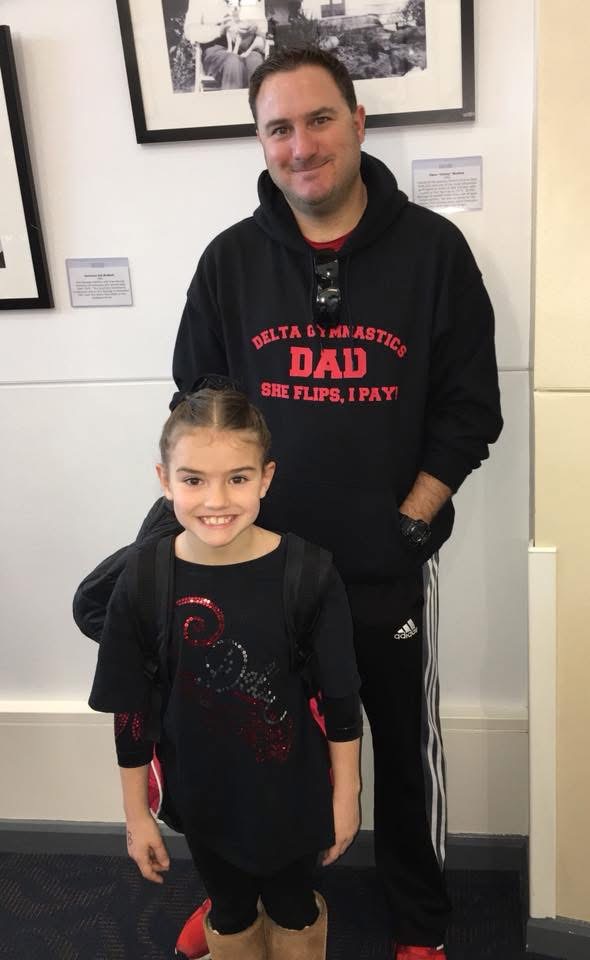
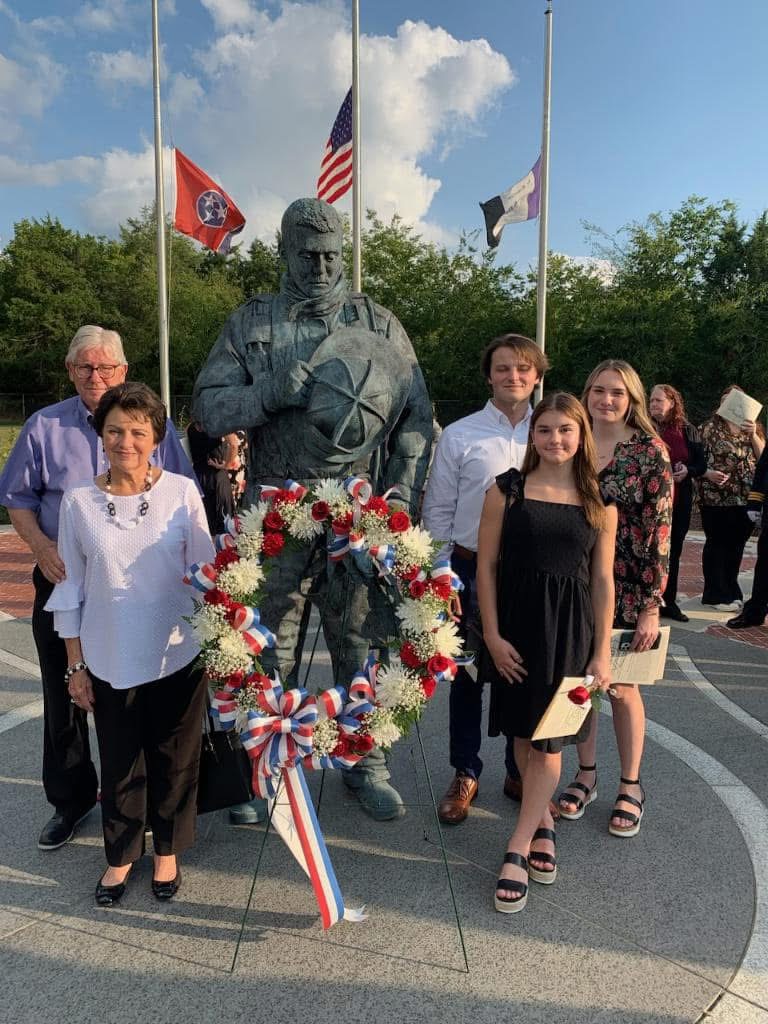
Remembering Jeff Arick
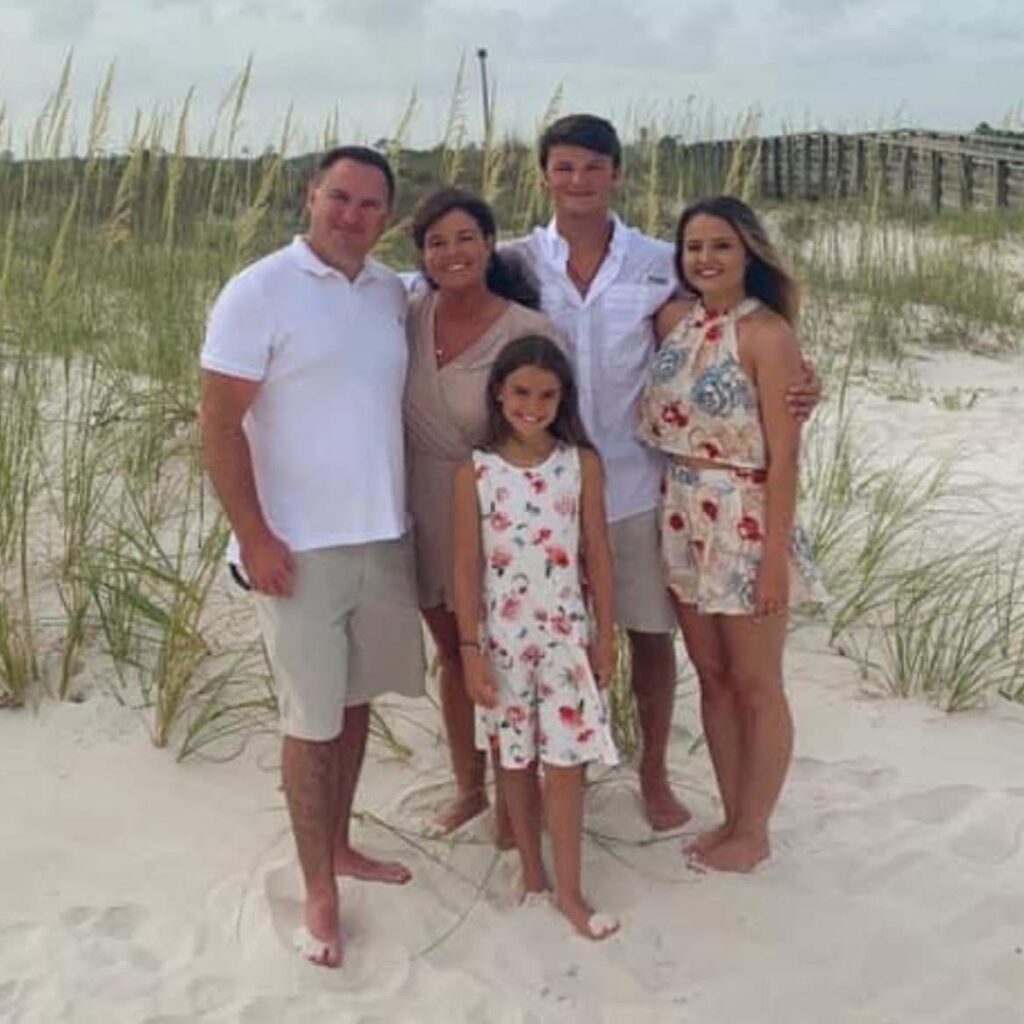
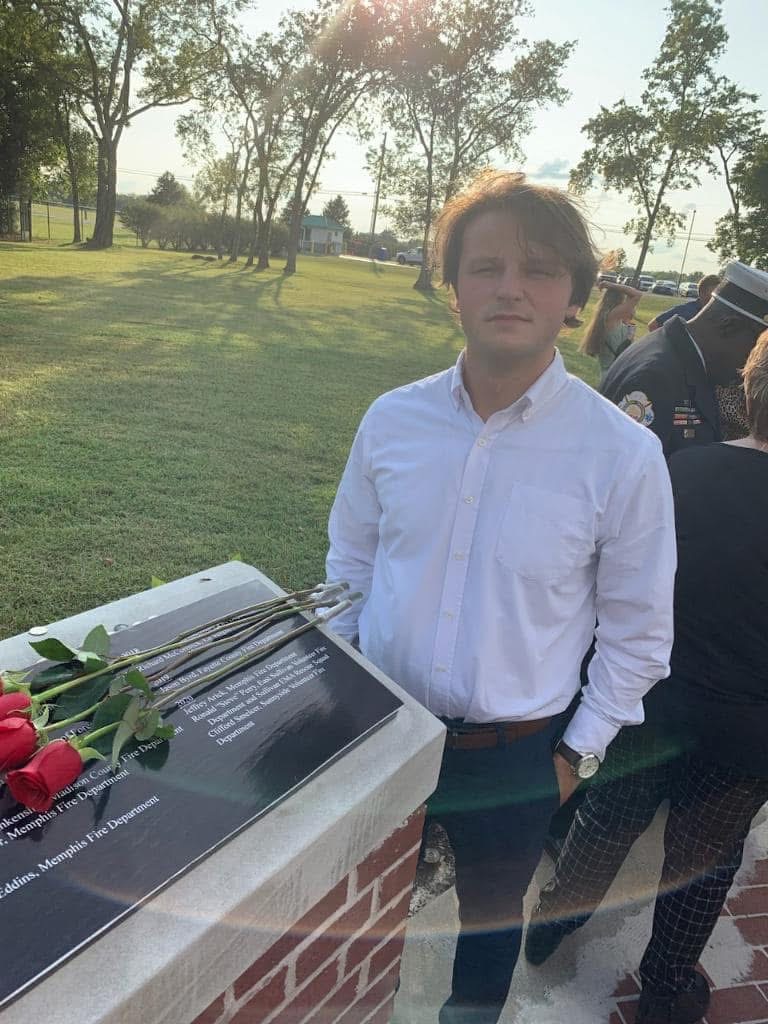
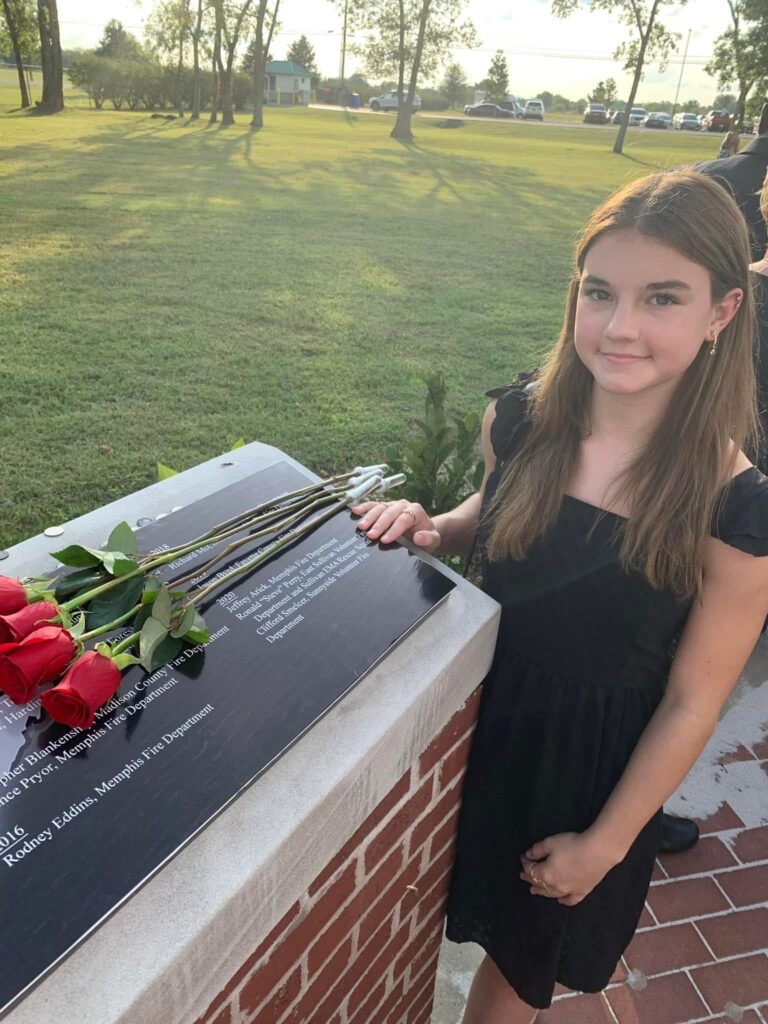
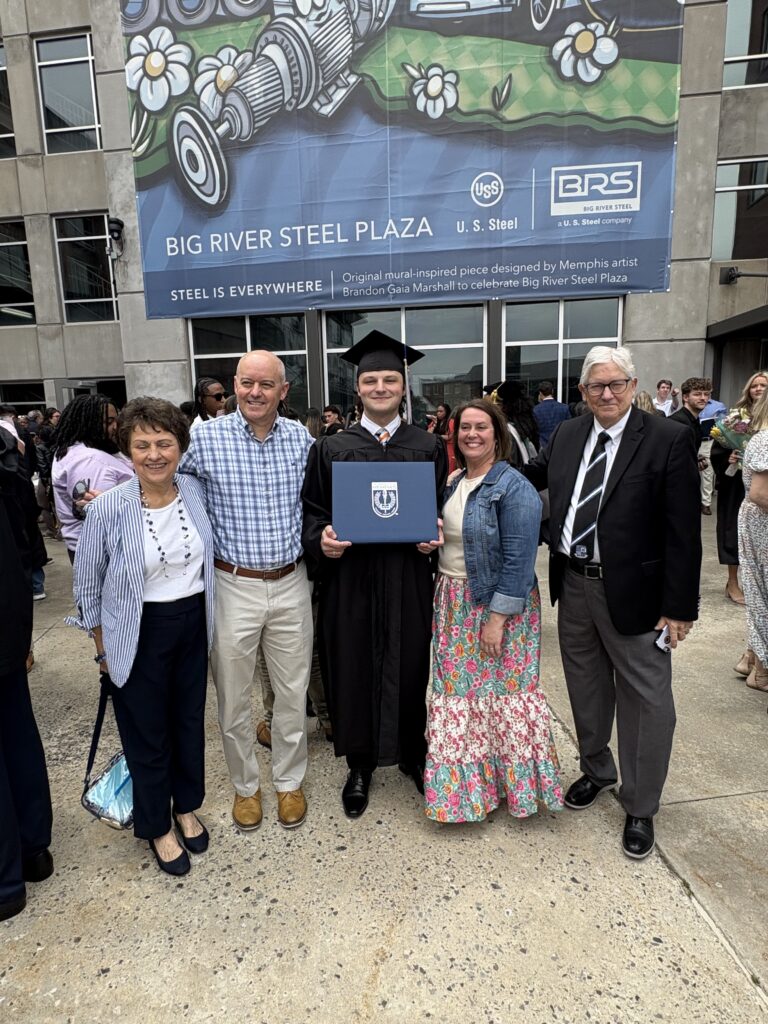
As Stephanie remembers her husband – and their final beach vacation just two weeks before he died – she reflects on his love for God, family, his union brothers and sisters, soccer, and the ocean. She also mourns the memories he didn’t get to see: their eldest getting married, the birth of their first grandchild, another on the way, and their son’s graduation from the University of Memphis.
Even in his absence, Stephanie says his spirit lives on through the support of their community and the difference they can still make.
“I’m so thankful to Local 1784 and everyone at the IAFF who helped our family and prayed for us,” said Stephanie. “Now, I feel like if I can help other families, maybe God had a bigger purpose that Jeff is still helping people the way he loved to do when he was alive.”