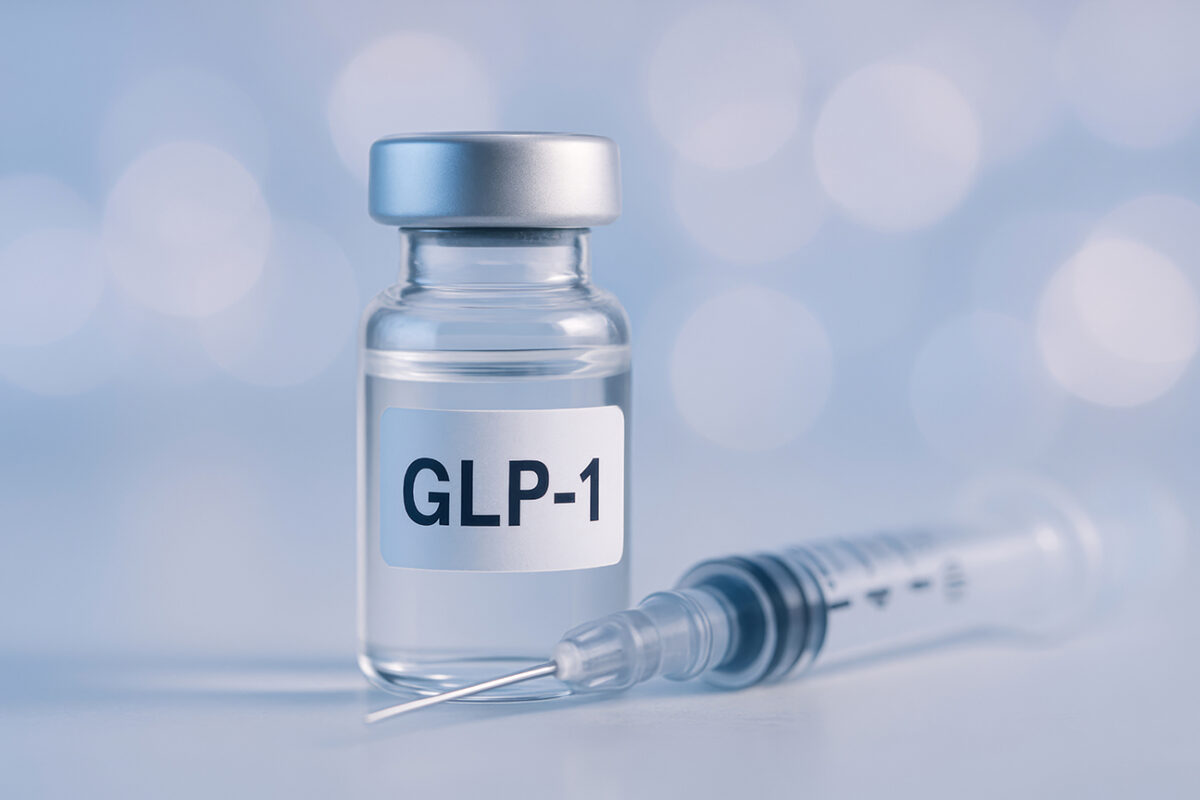
GLP-1 drugs (glucagon-like peptide 1 receptor agonists) are increasingly used for weight loss, including by fire fighters. But no studies have examined how the medications, or their side effects, affect fire fighters on the job. That leaves important questions for members taking or considering the drugs, particularly given the physical demands of firefighting.
As with any medication, members should discuss GLP-1 drug use with their physician before starting or stopping treatment.
Important facts for fire fighters:
- GLP-1 drugs can be effective for weight loss in obese patients and the treatment for type 2 diabetes.
- Common side effects include nausea, vomiting, diarrhea, and reduced thirst, which can lead to dehydration, a serious medical condition.
- GLP-1 drugs are prescription-only and approved by the FDA and Health Canada.
- Only take GLP-1 drugs that have been prescribed by your doctor. Compounded versions are not approved by the FDA or Health Canada and have not been tested for safety and effectiveness.
- Studies show people commonly regain substantial weight after stopping the GLP-1 treatment.
What are GLP-1s? Can they help me lose weight?
Short answer: GLP-1 drugs are prescribed for weight loss or the treatment of type 2 diabetes. They can lower blood sugar levels and reduce appetite, helping people lose weight.
Long answer: GLP-1 drugs mimic a hormone the body naturally produces after eating, called glucagon-like peptide-1 (GLP-1). This hormone has several roles in the body, including helping regulate blood sugar by signaling the body to release insulin when needed. GLP-1 also signals to your brainstem and hypothalamus that you’ve had nutrients, helping you feel full and reducing your appetite.
Clinical trials show that taking a GLP-1 drug can help lose 15-20% of your body weight. These clinical trials are performed in people with a body mass index (BMI) of 30 kg/m2 or higher, or a BMI of 27 kg/m2 or higher with at least one weight-related medical condition. The weight loss effects have not been evaluated in anyone who is not overweight.
Should I take a GLP-1 drug?
Short Answer: GLP-1 drugs are effective at causing weight loss in obese and overweight people and treating type 2 diabetes. Speak to a doctor first before starting any treatment.
Long Answer: GLP-1 drugs are effective at treating type 2 diabetes in adults and have been shown to reduce blood sugar levelshttps://pmc.ncbi.nlm.nih.gov/articles/PMC10823535/. GLP-1 drugs can be recommended for people with type 2 diabetes and cannot manage it with metformin, the common type 2 diabetes treatment, either because it isn’t helping or because they can’t take metformin.
As mentioned, GLP-1 drugs can help obese and overweight patients lose 15-20% of their body weight after a year. While other weight loss drugs exist, they are less effective.
GLP-1 drugs are also being explored for treating liver disease, obstructive sleep apnea, knee osteoarthritis, polycystic ovary syndrome, Parkinson’s disease, Alzheimer’s, and alcohol abuse. You cannot take a GLP-1 drug if you are pregnant. These drugs are not recommended for everyone.
Are GLP-1 drugs dangerous for fire fighters?
Short answer: There are no studies currently evaluating how GLP-1 drugs or their side effects affect fire fighters on the job. Common potential side effects can contribute to dehydration, already a concern for fire fighters because of the heat, physical exertion, and PPE associated with the job. Dehydration impairs physical performance and endurance, which is dangerous for fire fighters. It can also lead to heat-related illness, urinary and kidney issues, and seizures in severe cases.
Long answer: Any drug is going to come with side effects. The most common side effects of all GLP-1 drugs are nausea, vomiting, and diarrhea. This isn’t rare – nausea affects up to 55% of patients, and vomiting affects up to 27% of patients. Doctors may start patients on a lower dose to offset side effects; however, these side effects can still be serious and have led to hospitalization. Certain GLP-1 drugs can also make you feel less thirsty, causing you to drink less water. All of these effects combined greatly increase the risk of dehydration. Dehydration caused by GLP-1 drugs is a frequent adverse effect reported to the FDA and often serious.
Fire fighters can lose nearly two liters (or half a gallon) of sweat during just three hours of work in extremely hot temperatures. Dehydration is already a risk for fire fighters because firefighting is physically demanding, requires PPE that is impermeable and heavy, and involves intense heat. The risk is even worse for wildland fire fighters due to the limited access to resources. Dehydration can lead to heat injury, urinary and kidney issues, and seizures in severe cases. It can also cause cardiac complications like hypovolemic shock and neurological complications like delirium.
We also know that dehydration has made athletes perform worse, including in endurance sports. Older studies have found that competitive runners were significantly slower when dehydrated at distances over 5,000 meters. Recently, a study in professional judo athletes showed that dehydration significantly reduced grip strength. Dehydration has been shown in multiple studies to worsen endurance exercise performance in trail running, road cycling, indoor rowing, and more. Higher temperatures worsen performance even more compared to colder temperatures, which is especially relevant for fire fighters.
What researchers have not studied is whether GLP-1 use creates an additional risk for people performing strenuous work in high-heat environments. Discuss any GLP-1 use with your physician to make sure that there is a plan for heat stress or negative side effects that may come up while on duty.
Other minor side effects are dizziness, mild tachycardia (fast heart rate), infections, headaches, and indigestion. Major side effects include gallbladder disease and kidney injury from dehydration. The long-term safety of these drugs is still being explored, and there are potential risks to the thyroid and gallbladder.
What about strength and fitness?
Short answer: Weight loss and physical fitness are not the same thing. If you take a GLP-1 drug for weight loss, it is vital to maintain an exercise routine.
Long answer: Studies show that some of the weight lost while taking a GLP-1 drug isn’t just fat – it’s muscle and other lean body mass. Often, 20-50% of weight loss from a GLP-1 drug can come from a combination of muscle, water, and other non-fat body parts. This does not mean that patients lose 20-50% of muscle. It means that if you lose 10 pounds with a GLP-1, five of those pounds might be from muscle or water or other lean body mass instead of fat.
Because relatively few studies have directly measured skeletal muscle, more research is needed to determine how much of the lean body mass lost is actually muscle.
A clinical trial of liraglutide showed that only taking a GLP-1 drug does not improve physical fitness. Patients who took only liraglutide and did not exercise showed less improvement, on average, on a stair-climbing test and a cardiorespiratory fitness test compared with patients who exercised regularly and did not take a GLP-1. Patients who took liraglutide and exercised regularly had similar improvements in stair climbing and cardiorespiratory fitness as patients who only exercised.
Exercise is necessary to be physically fit, even if you take a drug for weight loss. For fire fighters, maintaining strength and cardiorespiratory fitness remains important.
Can I get GLP-1s anywhere?
Short answer: Only take a GLP-1 drug that has been prescribed to you by a doctor and obtained from a licensed pharmacy.
Long answer: Only GLP-1 drugs that are approved by the FDA or Health Canada are reviewed for safety, effectiveness, and quality. Any prescription for a GLP-1 drug must be given by a doctor and filled at a licensed pharmacy.
The FDA has issued a warning about unapproved GLP-1 drugs, which include compounded versions of the drug. This means the ingredients of the drug have been altered, mixed, or combined. Compounded drugs are not FDA-approved and do not undergo the same review for safety, effectiveness, and quality. They can also lead to serious medical complications if patients are given the wrong doses of the drug.
The FDA and Health Canada have also warned about counterfeit drugs and to not use any drugs and products labeled “for research purposes” or “not for human consumption.” Health Canada specifically warns that it never endorses a product, and its logo cannot be used as an advertisement.
What happens if I stop taking a GLP-1 drug for weight loss?
Short answer: Evidence suggests you will regain substantial weight, but it seems to be likely you won’t rebound to your starting weight.
Long answer: GLP-1 drugs help you lose weight by suppressing your appetite. Analysis of multiple clinical studies of three different drugs showed that patients regained 60% of the weight they had lost one year after stopping taking a GLP-1 drug. It’s likely that this weight regain will taper off, with patients expected to regain 75% of all weight loss, according to researchers.
Approximately half of people who take a GLP-1 drug stop taking it in less than one year. It’s unknown whether the regained weight is purely fat or whether it includes lean body mass that was lost.