Brutal winter conditions across much of the United States late January into early February brought significant challenges to IAFF members.
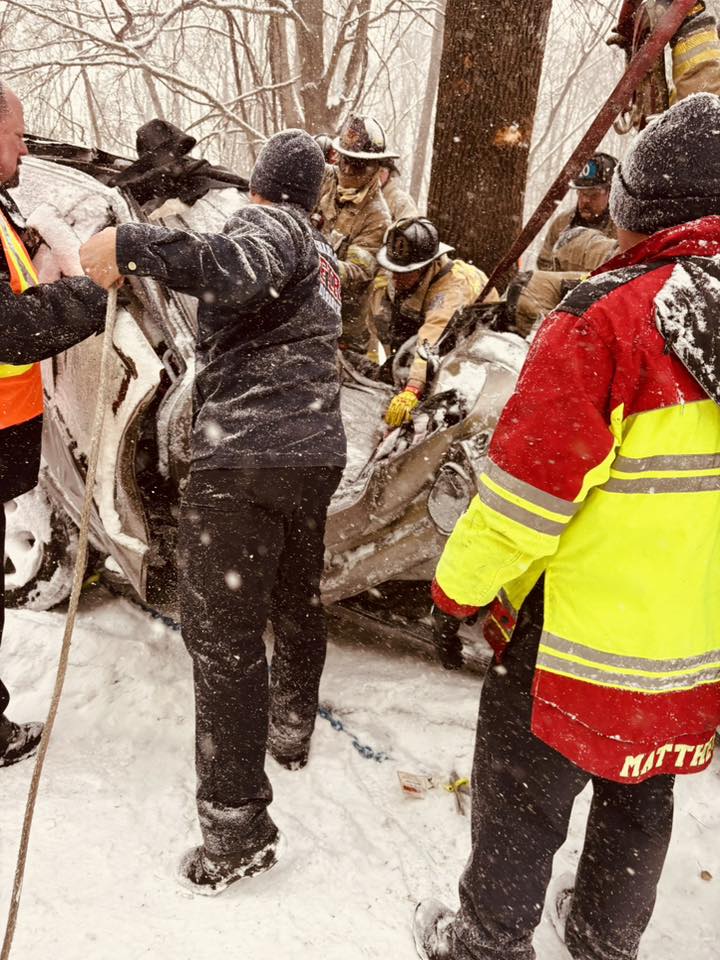
As snow and ice buried roads, obscured fire hydrants, and threatened to freeze critical equipment, fire fighters adjusted operations in real time, taking extra precautions to reach residents safely and overcome obstacles on scene.
Ready for anything
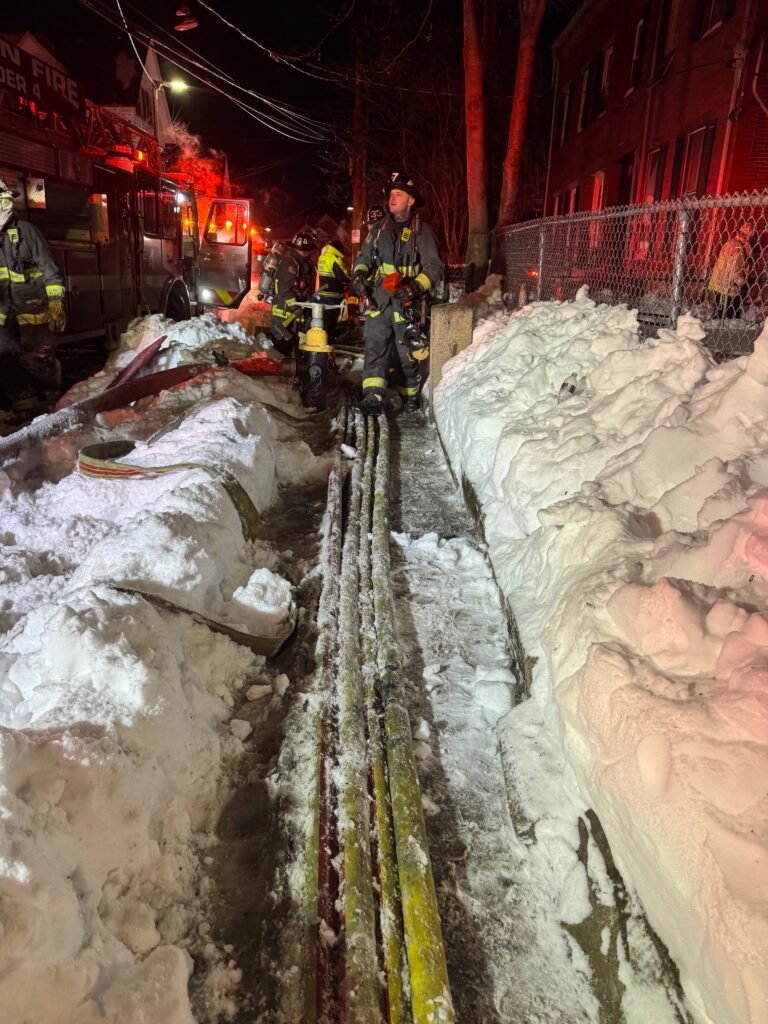
More than 20 inches of snow blanketed Boston the last weekend of January.
“It snowed for a day-and-a-half straight. I haven’t seen it that bad in probably 10 years,” Local 718 President Sam Dillon said. “Firefighting, as we know, is already a demanding job. But when you add snow and ice, it becomes very challenging. Our narrow roads become even harder to navigate, some hydrants are buried, and structures become difficult to access.”
There was so much snow that plows left behind snowbanks that added to the challenges.
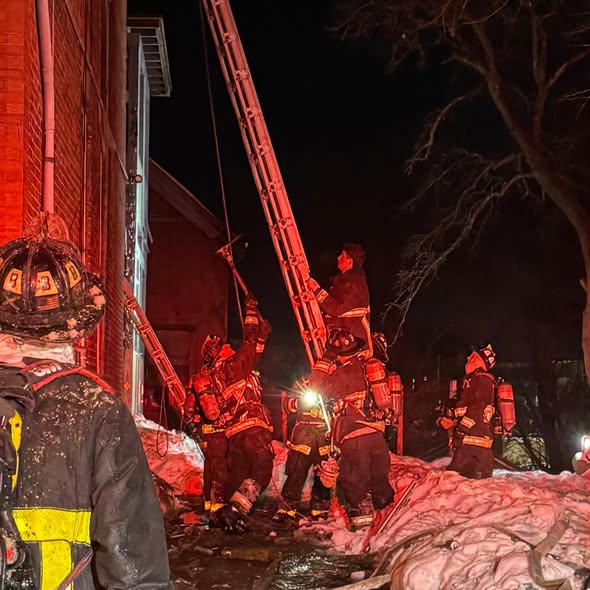
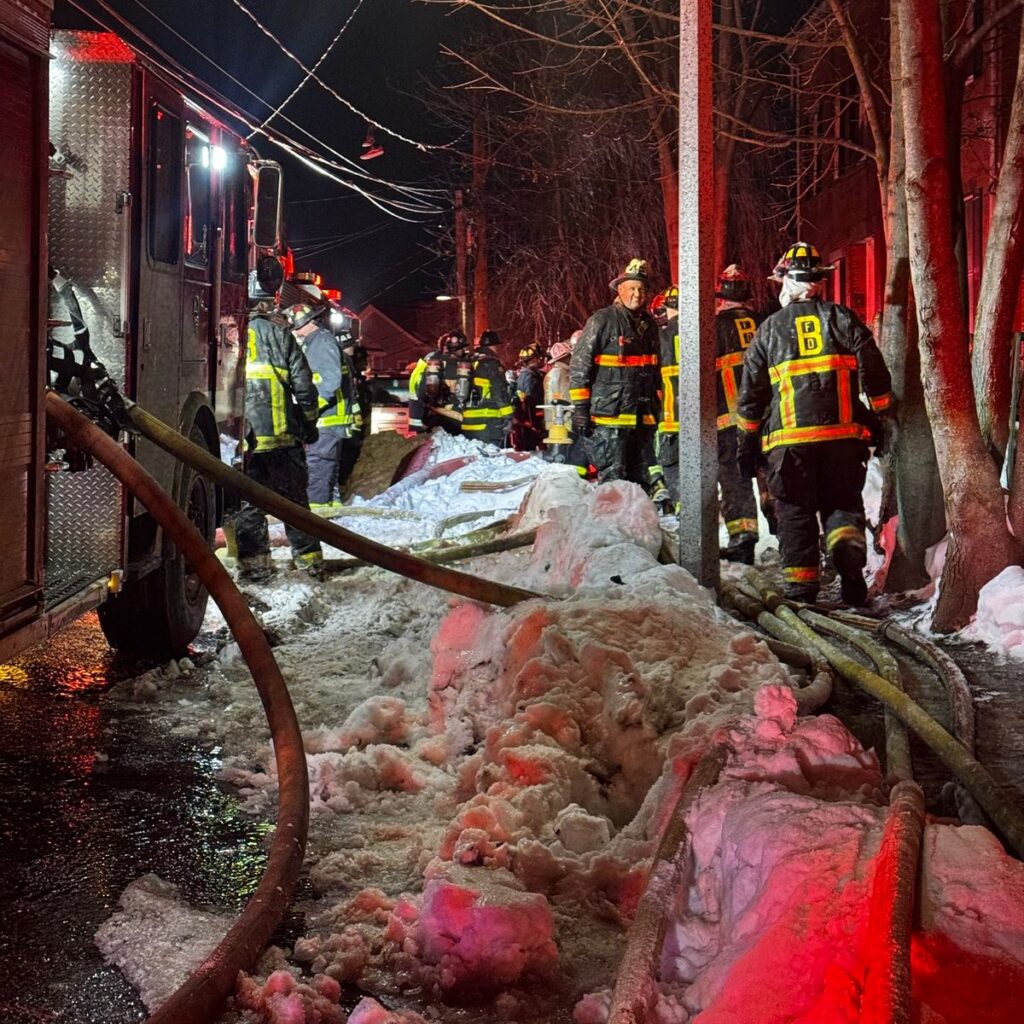
“Our streets are already narrow. They are not always easy to get down with our apparatus on a good day,” Dillon said. “Snowbanks, some a few feet high, hinder our ability to get to apartment buildings and other structures. Sometimes we have to throw our hoses over the snowbanks and use ground ladders where we might normally use aerials.”
And it was so cold the Boston Fire Department reported on social media that there were some cases of ground ladders being frozen in place.
Call in additional staff
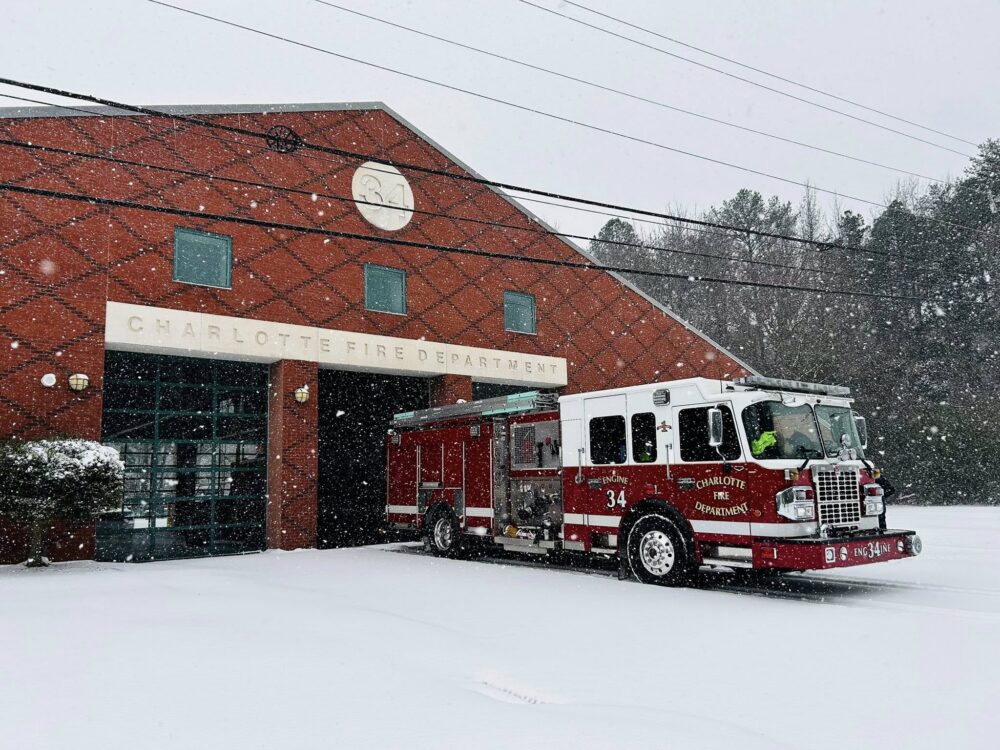
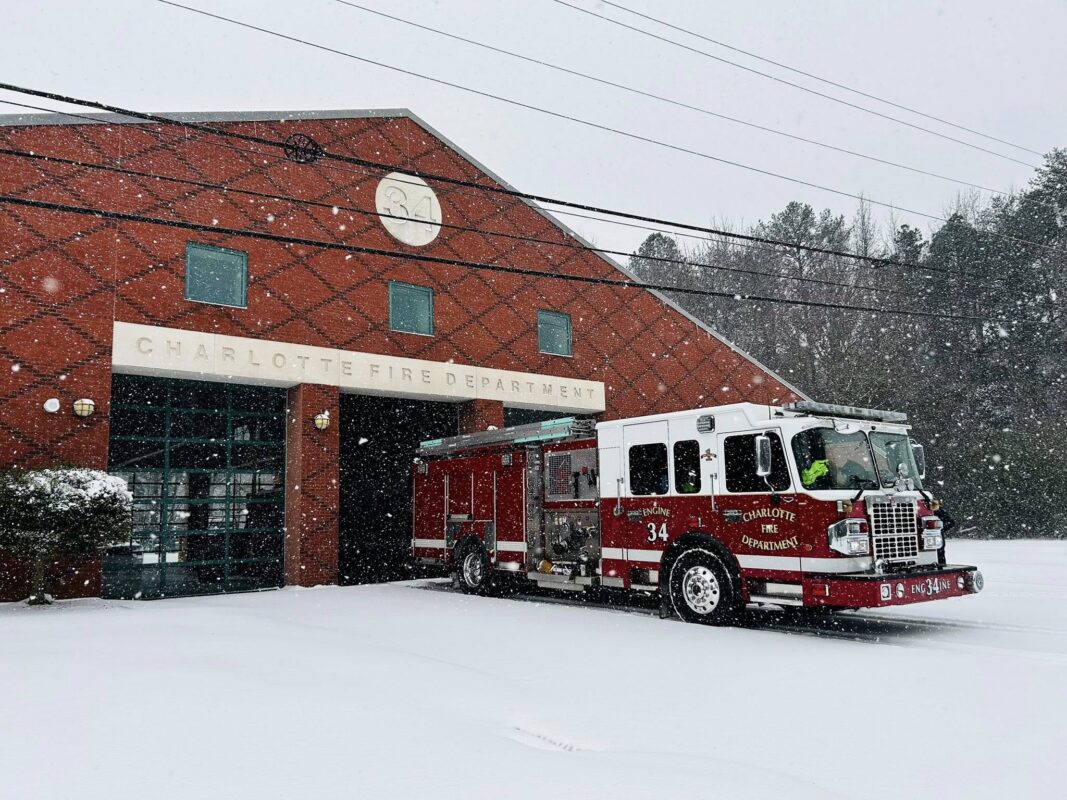
A storm came through Charlotte, North Carolina, leaving a foot of snow in its wake. Local 660 President Mike Feneis said it was the most snow he’d seen since he joined the Charlotte Fire Department 12 years ago.
“It was a very tough weekend,” Feneis said. “Our members responded to more than 1,100 calls, including a multi-alarm fire and a water rescue in below-freezing temperatures and ice-covered roads.”
The department prepared by calling in extra crews to handle the uptick in call volume. Tires were chained for much of the weekend to ensure companies could reach emergencies without incident.
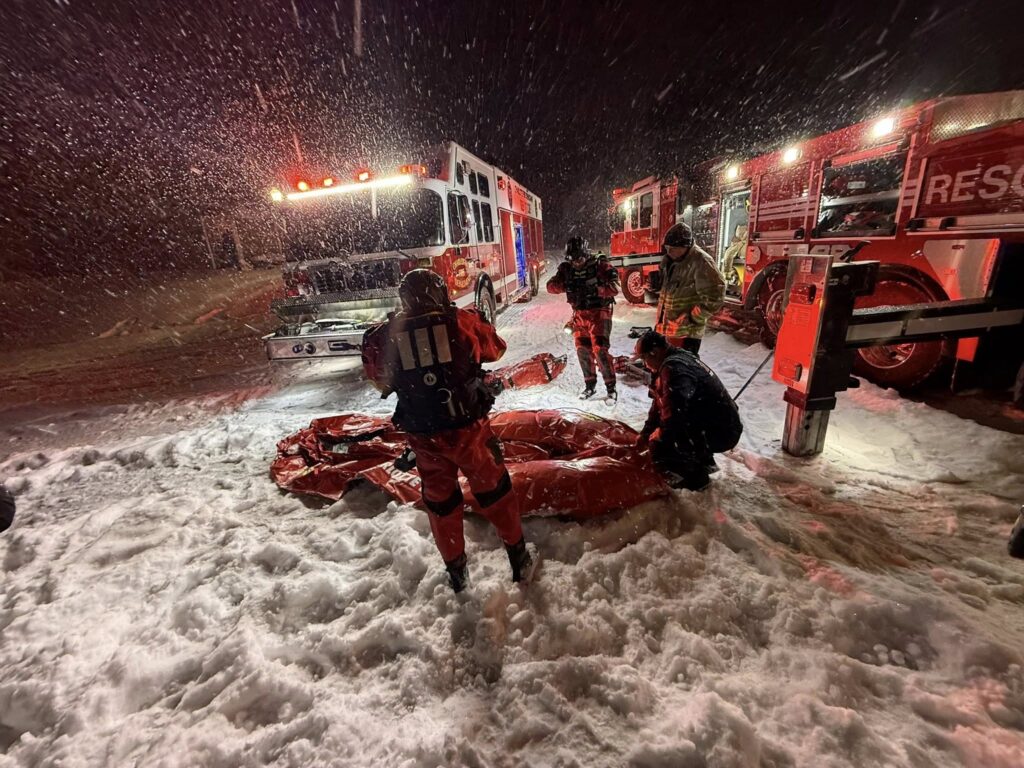
And, unexpectedly, the department’s dive team was called into action when a man lost control of his truck and ended up in a pond.
When Local 660 members arrived at the scene, they inflated a boat and were able to rescue the man, uninjured, within a few minutes. The daring rescue was caught on helmet cam.
Be ready to clear snow
About six inches of snow fell on Roanoke, Virginia, which was followed by a coating of ice.
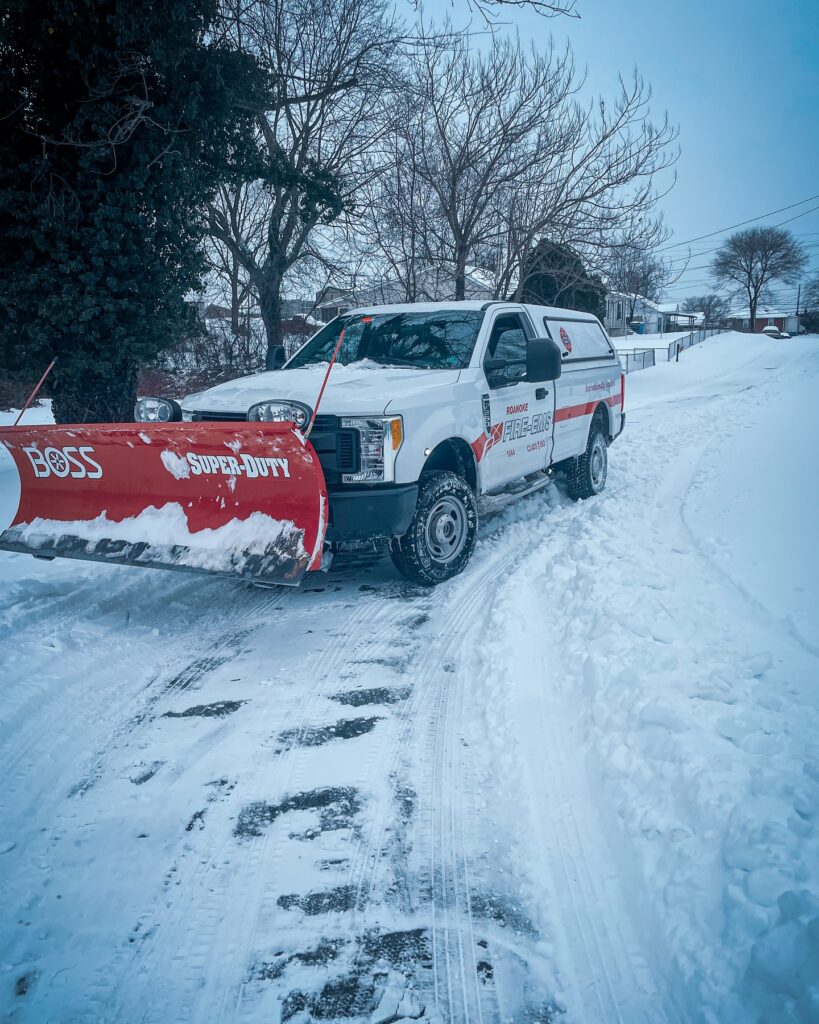
The city’s snowplows were out in full force, but emergency calls couldn’t wait for them to clear the dangerous roads. Instead, Roanoke responds to emergencies with its own plow.
“Every snow event always brings its challenges. Our members have to be ready to respond even when the roads are packed with snow or covered in ice,” Local 1132 President Todd Reighley said. “So, our plows become a critical piece of our response.”
Everything becomes a little harder in wintery conditions. Engines outfitted with chains must go more slowly. Pulling hose and connecting to fire hydrants takes a bit more effort.
“With cold temperatures holding on even after the snow and ice ended, the department stayed in crisis mode for a week and a half,” Reighley said. “Chains were put on tires for those difficult to navigate streets and our members got the job done.”
Using upgraded technology
Waco, TX Local 478 members know all too well what can happen on the ice. They learned several lessons from the February 2021 winter storm that caused treacherous driving conditions for fire fighters and other first responders. A traditional tire chain system wasn’t going to cut it.
The Waco Fire Department found a new way to help fire apparatus navigate slick roads.
“They decided to fit our newer apparatus with a tire chaining system called On-Spot Tire Chain. It’s a retractable system,” Waco Local 478 President Brent Weatherby said. “Our crews report that the system works more safely and efficiently than regular chains.”
Waco put the new system to the test when a winter storm brought snow and at least two inches of ice.
On-spot is a retractable system, so members do not have to stop to remove the chains when a road clears. With a push of a button, the system folds up underneath the fire engines.
Weatherby says responding in extreme winter conditions calls for other accommodations, such as reduced driving speed, keeping the water moving inside the hoses, using water tenders when water is not accessible via a fire hydrant, and upstaffing.
“Overall, we have to be more careful with everything. I learned the hard way one year when I slipped on the ice and injured my knee,” he said. “It’s hard work, but it’s worth it for us to do all we can to serve the citizens in our community.”