Ohio fire fighters, police officers and emergency medical workers are one step closer to receiving long-awaited mental health support after state lawmakers approved $40 million to activate the state Post-Traumatic Stress Fund.
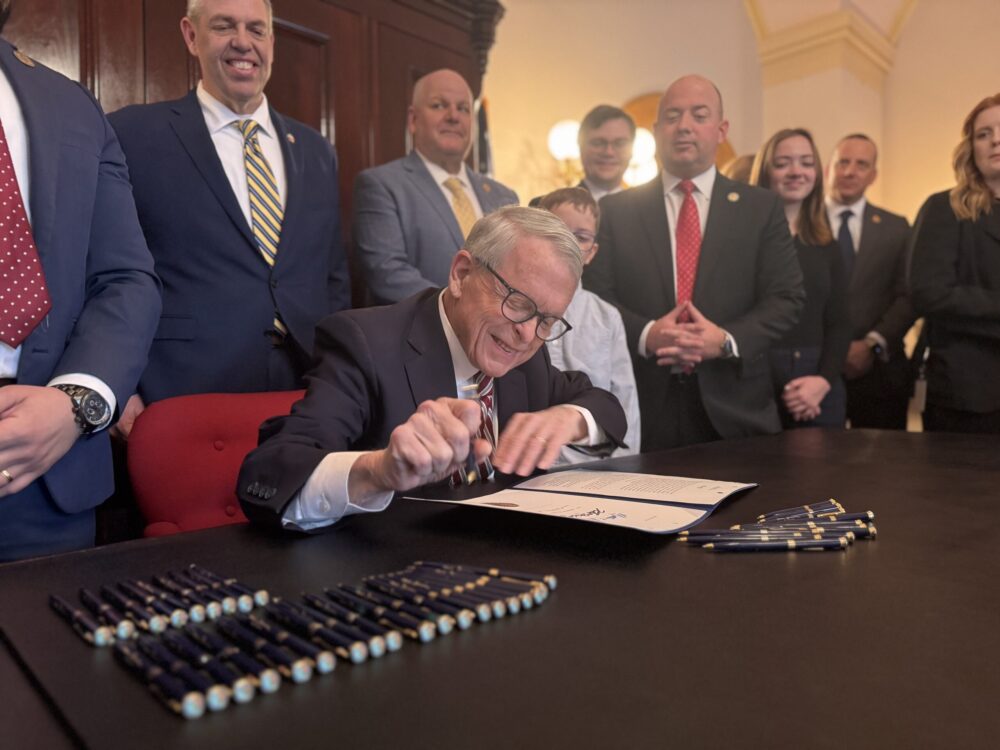
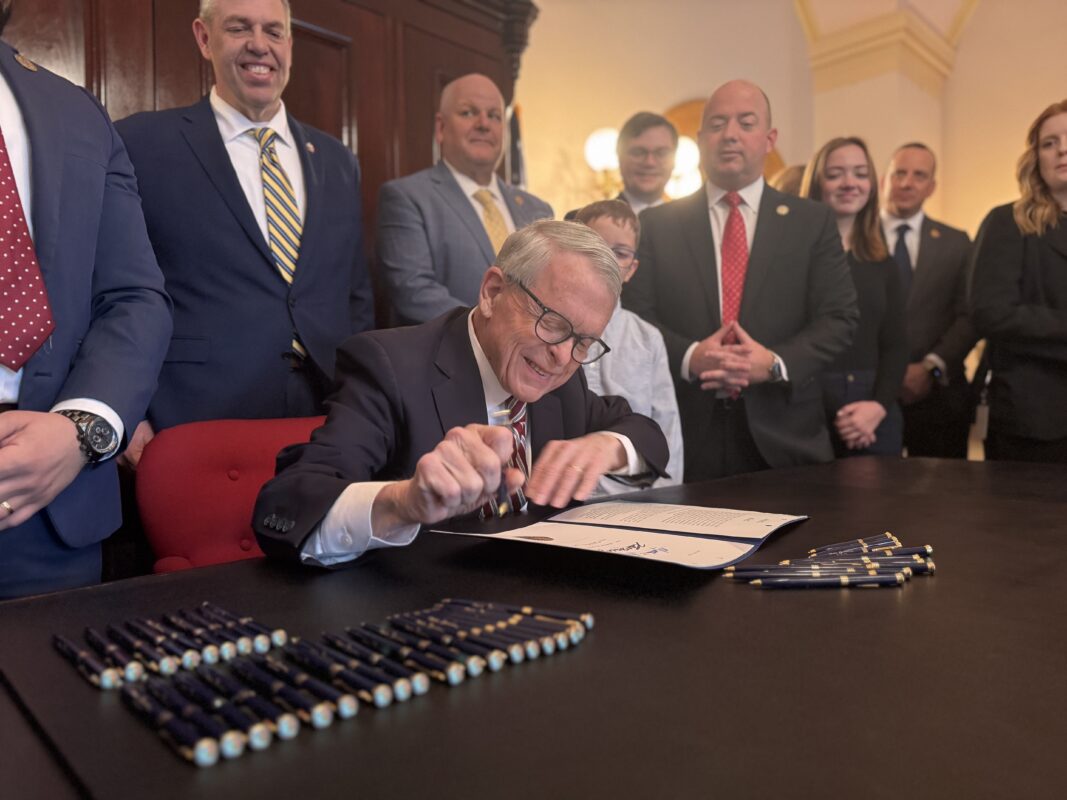
The funding is part of House Bill 184, a comprehensive spending bill signed into law by Ohio Governor Mike DeWine. The measure will allocate money from the General Revenue Fund to the PTSD fund as early as next year. The fund was established in 2020 but has remained inactive and unfunded, according to news reports.
Fire fighters and paramedics face repeated exposure to traumatic events and high-stress situations, which can harm their mental health. Other challenges include long shifts, staffing shortages, burnout, sleep loss, and strain on family life.
Research shows that fire fighters have higher rates of anxiety and related behavioral health symptoms compared with the general population. Ohio Association of Professional Fire Fighters President Jon Harvey called the funding a significant breakthrough for first responders who have long struggled to access job-related PTSD treatment.
“Ohio was one of the last handful of states that didn’t provide treatment for responders without an associated physical injury,” said Harvey. “We’ve been battling this for years, and partnerships with the Fraternal Order of Police played a huge part in being able to secure $40 million out of the general revenue side for treatment for first responders.”
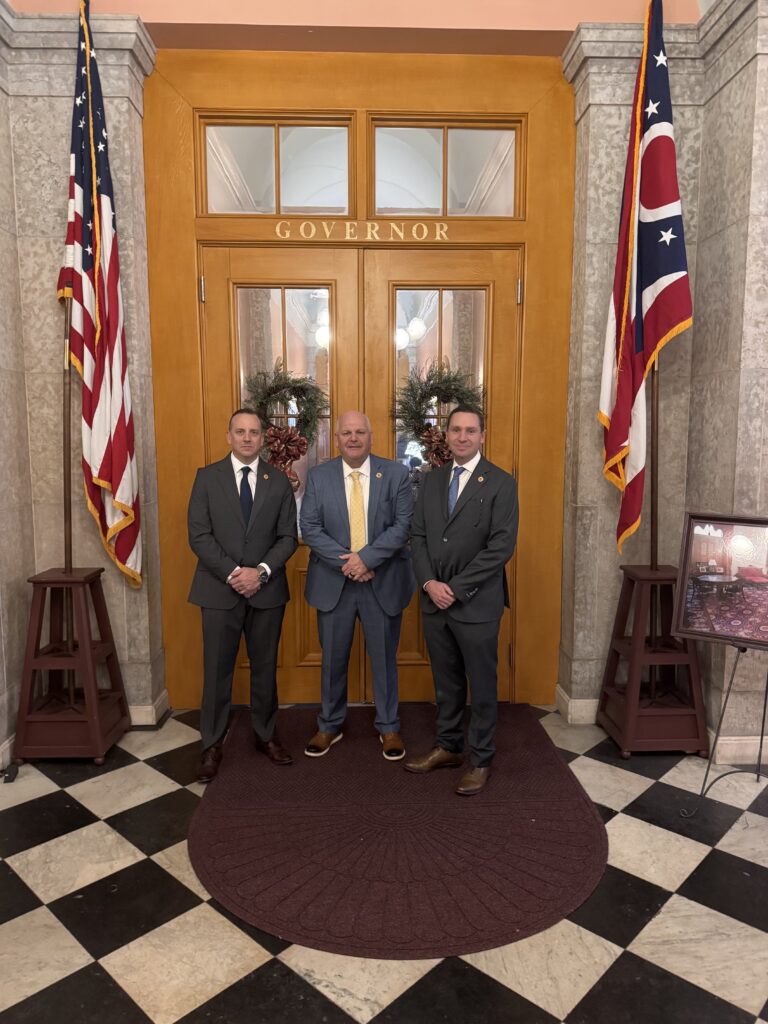

The IAFF really gave us the tools we needed to push this over the finish line.
Jon harvey, OAPFF president
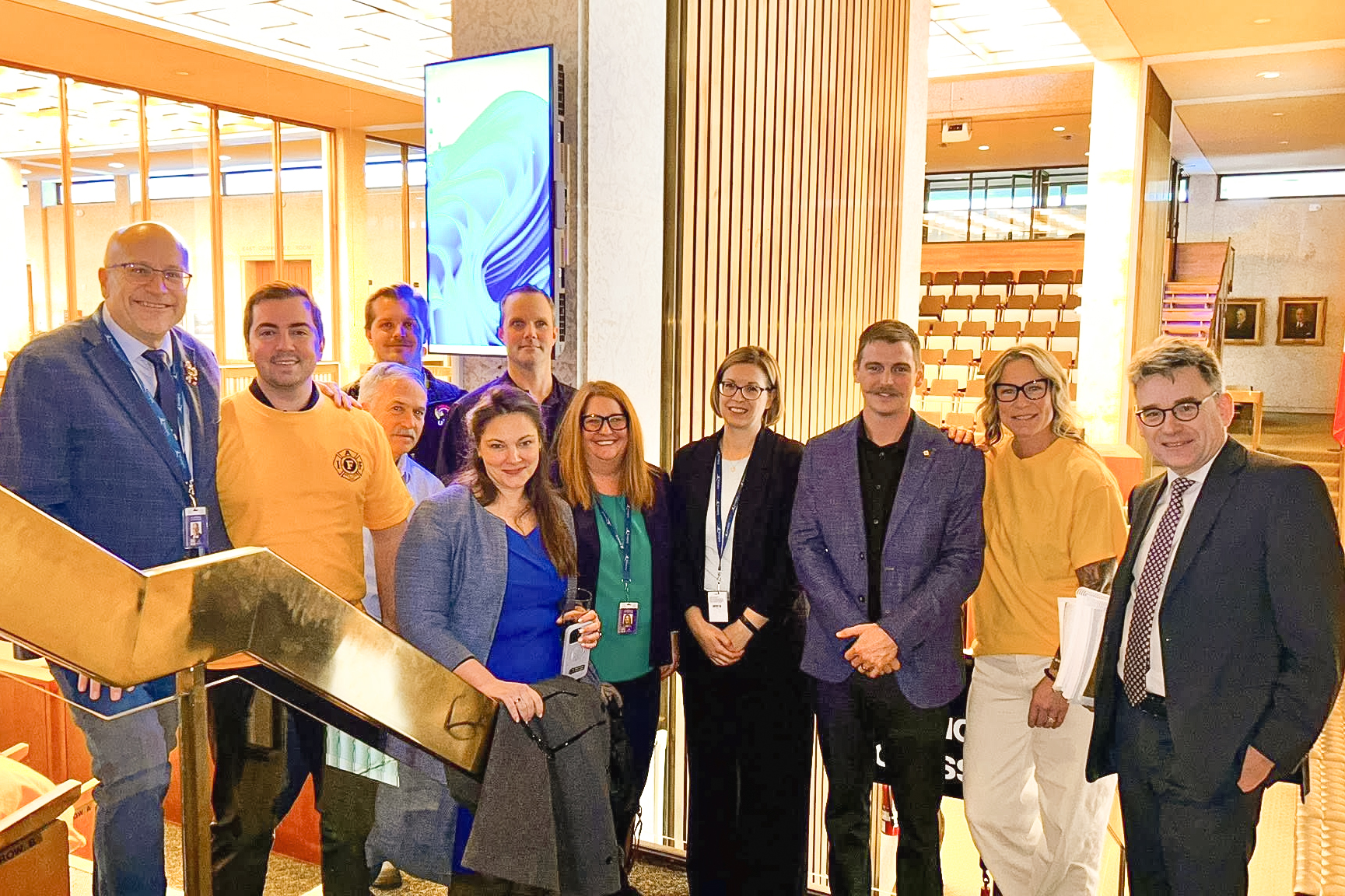
After initial concerns within the business community, the OAPFF collaborated with the Ohio Chamber of Commerce, the Ohio Business Roundtable and the Ohio Fraternal Order of Police to send a joint letter to legislative leaders advocating for the funding.
Harvey said ongoing advocacy and education efforts from the IAFF were crucial in advancing the issue.
“The IAFF really gave us the tools we needed to push this over the finish line,” Harvey said, adding that the funding will help cover lost wages and medical costs tied to duty-related PTSD.
The next steps involve creating a framework to ensure the fund operates effectively in preventing future tragedies.
“Someday we need to treat behavioral health issues the same way we treat a broken leg,” said Harvey. “This gives us the opportunity to do that.”