Since its inception in 2018 – following a tenacious 25-year advocacy effort by the IAFF – the Memorial Grant Program for First Responders (MGP) has provided the families of hundreds of fallen Canadian IAFF members with a $300,000 payment in recognition of their loved one’s service and sacrifice.
But the value of the benefit has declined sharply since then, as high inflation – particularly in 2021 and 2022 – drove consumer prices up 25%, according to Statistics Canada.
To restore the intended value of the benefit, the IAFF is calling on the Government of Canada to increase the payment to $375,000 effective immediately to reflect the rise in the Consumer Price Index since 2018, and to index it annually to inflation going forward.
“The Memorial Grant was created so the families of our fallen would be taken care of,” General President Edward Kelly said. “Inflation has eroded that benefit and it needs to be restored.”
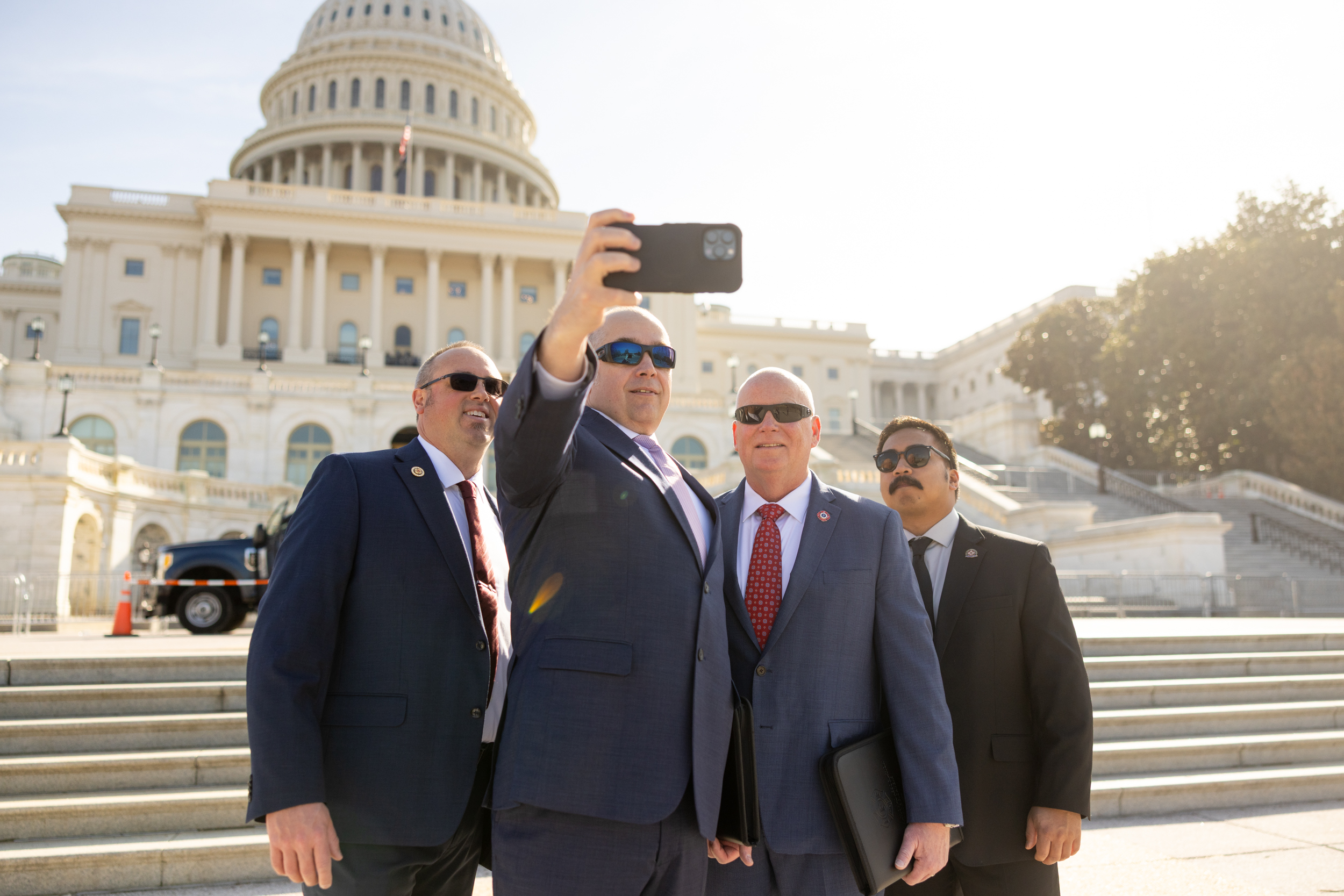
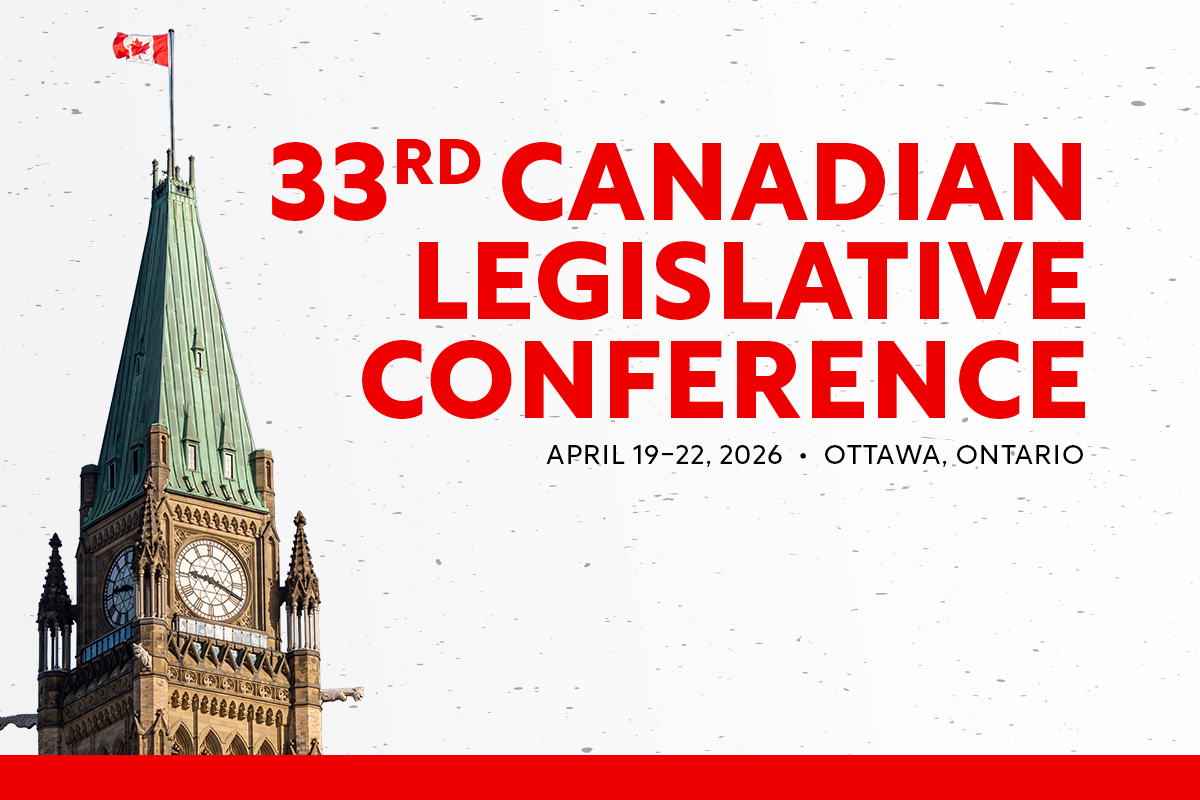
IAFF leaders from across Canada will descend on Parliament Hill in Ottawa April 19-21 to raise the issue directly with MPs and senators during the 33rd Canadian Legislative Conference, continuing a tradition of grassroots lobbying that has delivered numerous advances for fire fighter and public safety.
Delegates will also advocate for stronger regulations governing airport firefighting and rescue in Canada during the conference, which will mark the culmination of a busy stretch for the IAFF’s Canadian legislative program.
“Our Legislative Conference is an important opportunity for fire fighters to take these priorities directly to Parliament as we continue advancing policies that improve public safety and the lives of our members across Canada,” said Kelly
Since the last Canadian Legislative Conference in November, the IAFF has worked behind the scenes to advance several issues in the federal arena.
In late February, IAFF leaders joined other stakeholders at a roundtable with Transport Canada officials to urge the government to bring the Canadian Aviation Regulations in line with International Civil Aviation Organization standards, which specify rescue as a required function of airport fire fighters.
Our Legislative Conference is an important opportunity for fire fighters to take these priorities directly to Parliament as we continue advancing policies that improve public safety and the lives of our members across Canada.
general president edward kelly
The IAFF has also worked to advance Bills C-14 and S-233, both aimed at addressing the growing problem of violence and threats against on-duty fire fighters and paramedics in Canada through Criminal Code amendments that that would impose tougher sentences for those crimes.
In addition, the IAFF has advanced a proposal to the Government of Canada for an Enhanced Emergency Management Program (EEMP) that would elevate the nation’s emergency preparedness and response capabilities by leveraging IAFF expertise and resources.
The IAFF also received a $275,000 grant over four years under the National Framework on Cancers Linked to Firefighting to facilitate stakeholder collaboration and Information sharing, bringing partners together to promote best practices across jurisdictions to address fire fighter occupational cancer risks.
In February, the IAFF secured a federal funding extension of up to $500,000 annually through March 2029 for the Canadian Haz-Mat & CBRNE training program, bringing the program to 20 years of operation. Established as a direct result of IAFF lobbying, the program has trained more than 10,000 fire fighters and other frontline personnel to safely and effectively respond to hazardous materials incidents in their communities at no cost to municipalities.