For too long, suicide in the fire service lived in the shadows.
Today, the IAFF is confronting that reality by training members to recognize warning signs, ask direct questions, and step in before a crisis becomes a tragedy.
Across North America, Locals are adopting suicide prevention programs built for the fire service. In Washington, D.C., Local 36 recently hosted Columbia Lighthouse suicide assessment training for its peer support team, strengthening a union-led approach to protecting members.
“Suicide claims more fire fighters than fire, and the impact of a single loss ripples through the present and across generations,” said Dr. Kelly Posner Gerstenhaber, a professor of psychiatry at Columbia University. “Working in partnership with the IAFF to implement the Columbia Protocol, the Columbia Lighthouse Project is committed to preventing these tragic losses among those who risk their lives to save others and to supporting the colleagues, friends, families, and communities who carry the enduring emotional weight of that loss.”
Dan Brong, Local 36’s peer team coordinator, says the mission is simple: saving lives.
“One of the biggest things we found is that once you complete peer support training, you better understand how to handle those moments where you’re thinking what to say, or how you should take this phone call,” said Brong. “It gives you confidence when a member comes to you.”
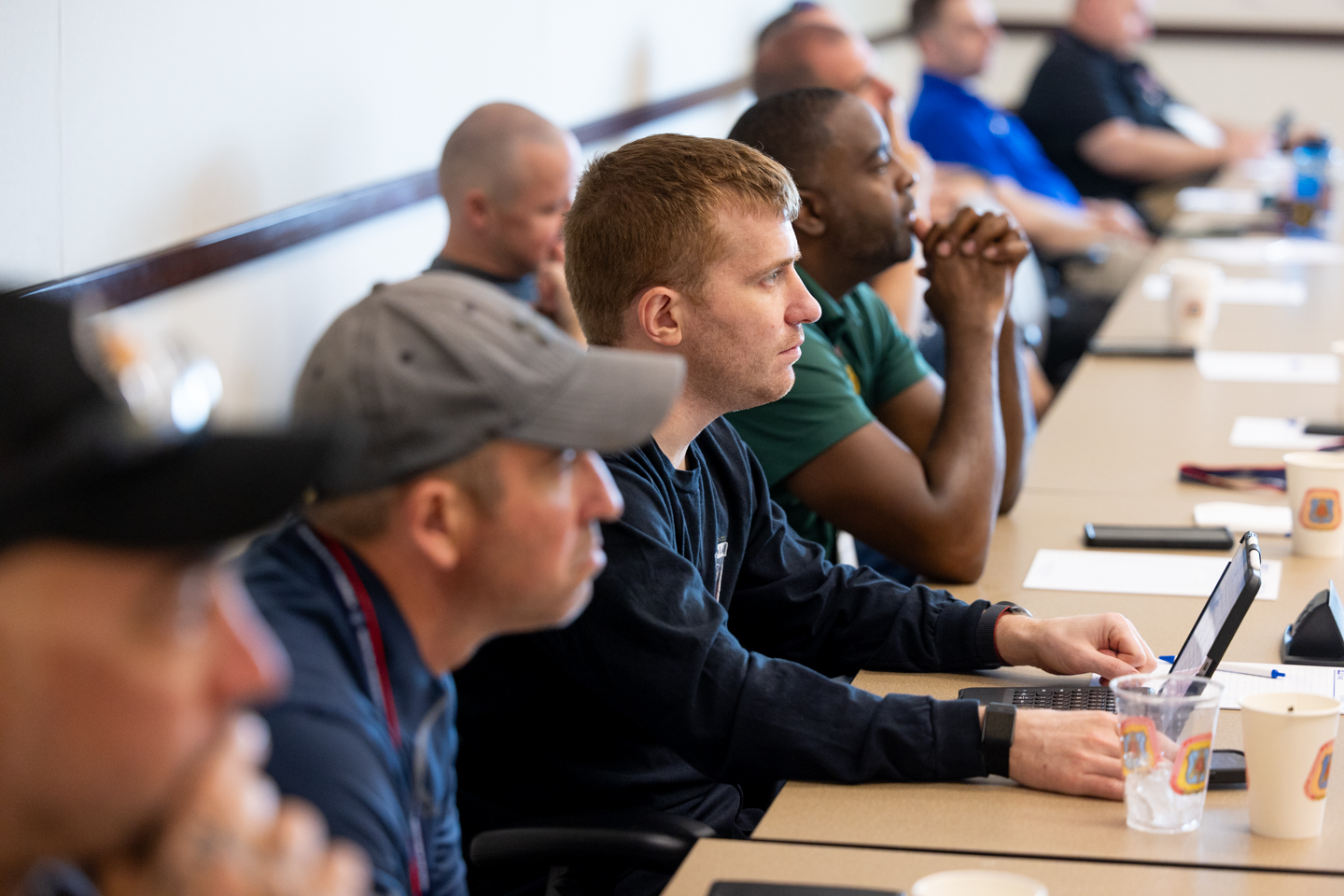
The Columbia Lighthouse Project uses a short, evidence-based questionnaire to identify suicide risk and determine whether someone needs immediate intervention or follow-up support. After completing the training, Local 36’s peer team reinforced those skills through extensive role-playing.
“These weren’t abstract situations,” said Brong. “They were things fire fighters actually deal with, like a disgruntled member, a pediatric death, or conflict with management.”
Some members role-played while others observed, then offered feedback.
“That feedback mattered,” he said. “It showed there isn’t one right answer. Experience is the teacher. The more we practice, the better prepared we are.”
That preparation matters most when the call is real – and sometimes personal.
“I’m lucky I’ve only had to ask that question a few times,” Brong said. “But when you do, it stays with you. You ask, ‘Are you thinking about hurting yourself or committing suicide right now?’
Sometimes there’s a pause. Sometimes there’s silence.”
Today, more members are willing to speak up – and more peers are trained to listen. “One of the biggest misconceptions about suicide is that asking someone if they want to kill themselves can increase suicidal tendencies,” said Lindsay Longo, a behavioral health specialist with the IAFF. “This isn’t true. The evidence shows that asking about suicide can be protective, and it is important that we ask.”
Longo says the stigma surrounding suicide makes it a topic that is rarely spoken about in the fire service.
The conversation has evolved over the years; from not talking about it at all, to awareness and reaction, to education and training focused on prevention, and now to more open discussions that include postvention.
Lindsay Longo, iaff behavioral health specialist
“The conversation has evolved over the years; from not talking about it at all, to awareness and reaction, to education and training focused on prevention, and now to more open discussions that include postvention,” she said.
Suicide assessment is now a core pillar of IAFF Peer Support training. That approach now extends beyond peer support teams. In 2025, the Safety Planning Intervention for Suicide Prevention course was opened to all members. The training teaches participants how to build a personalized safety plan to recognize warning signs and take action during a crisis.
Through a FEMA Fire Prevention and Safety grant, the IAFF partnered with Texas A&M and Baylor Scott & White Healthcare to develop a Suicide Postvention Standard Operating Procedure (SOP) for the fire service, giving departments clear guidance to support crews, families, and Locals after a loss, while reducing the risk of further harm.
“In some senses, suicide postvention is a component of suicide prevention in that, through helping members process the loss by suicide, the statistics show that you reduce down-stream suicides,” said Dr. Suzy Gulliver, PhD, Principal Investigator.
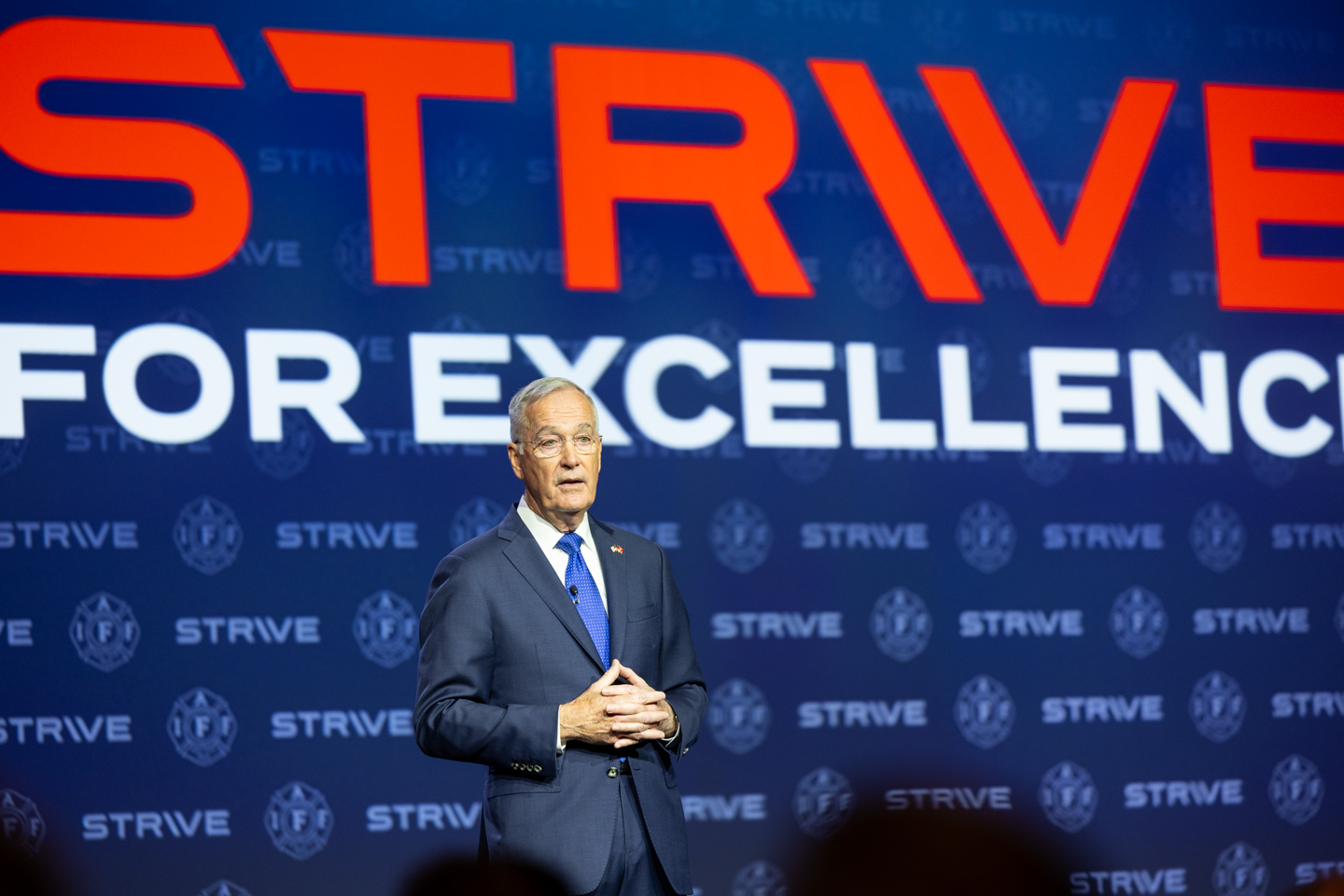
That work continues at the IAFF Strive for Excellence Summit, where the IAFF will offer suicide postvention training taught by Longo, Gulliver, and other experts, with instruction on the Columbia Lighthouse Project framework.
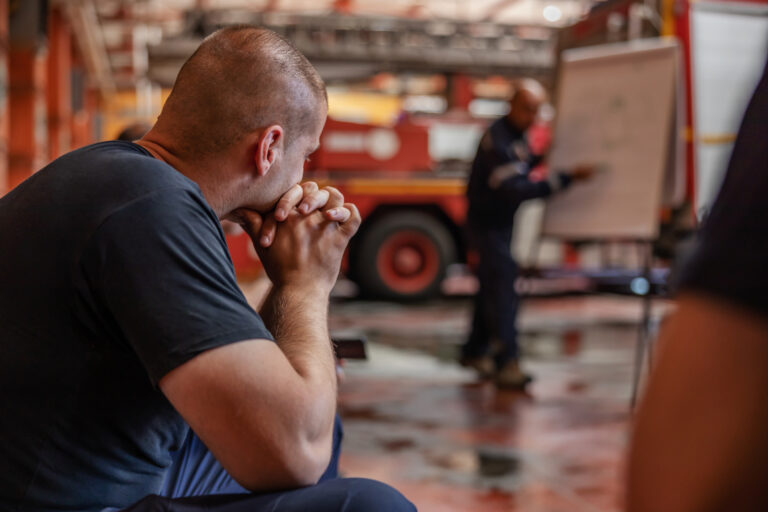
For Brong, the goal is to treat behavioral health like every other life-saving skill in the fire service.
“If you can make your team slightly uncomfortable in a training scenario, they’ll be less uncomfortable in a real-life scenario. That’s how we’ve always trained in the fire service for a downed fire fighter, Denver Drills, CPR. Behavioral health should be no different.”
To learn more about suicide postvention, visit the link here.
To learn more about the course and other workshops at Strive for Excellence, visit the link here.