Fall River, MA Local 1314 fire fighters responded to a devastating assisted living facility fire last July but lacked enough personnel to both fight the fire and rescue residents. Nine people died and several were injured.
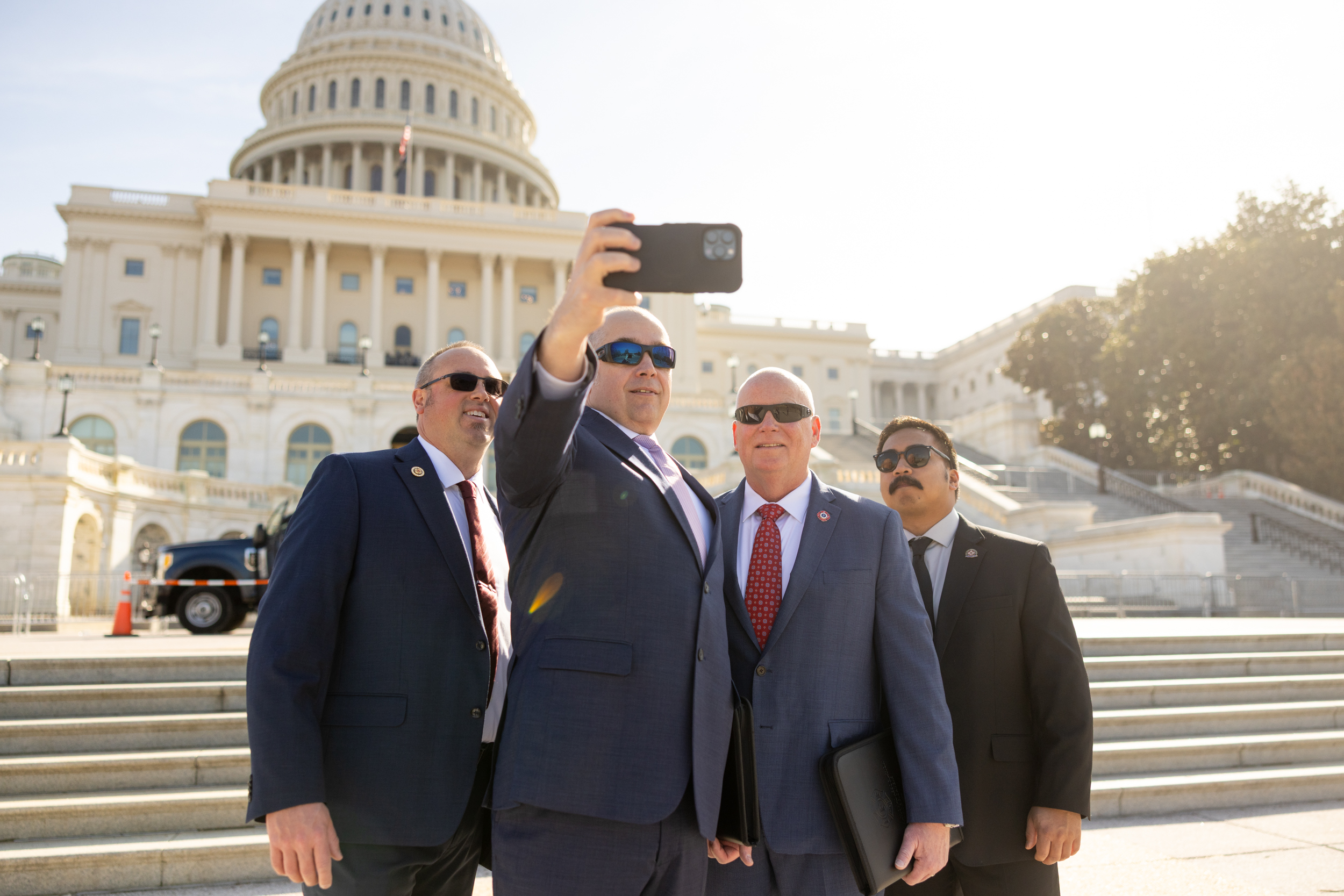
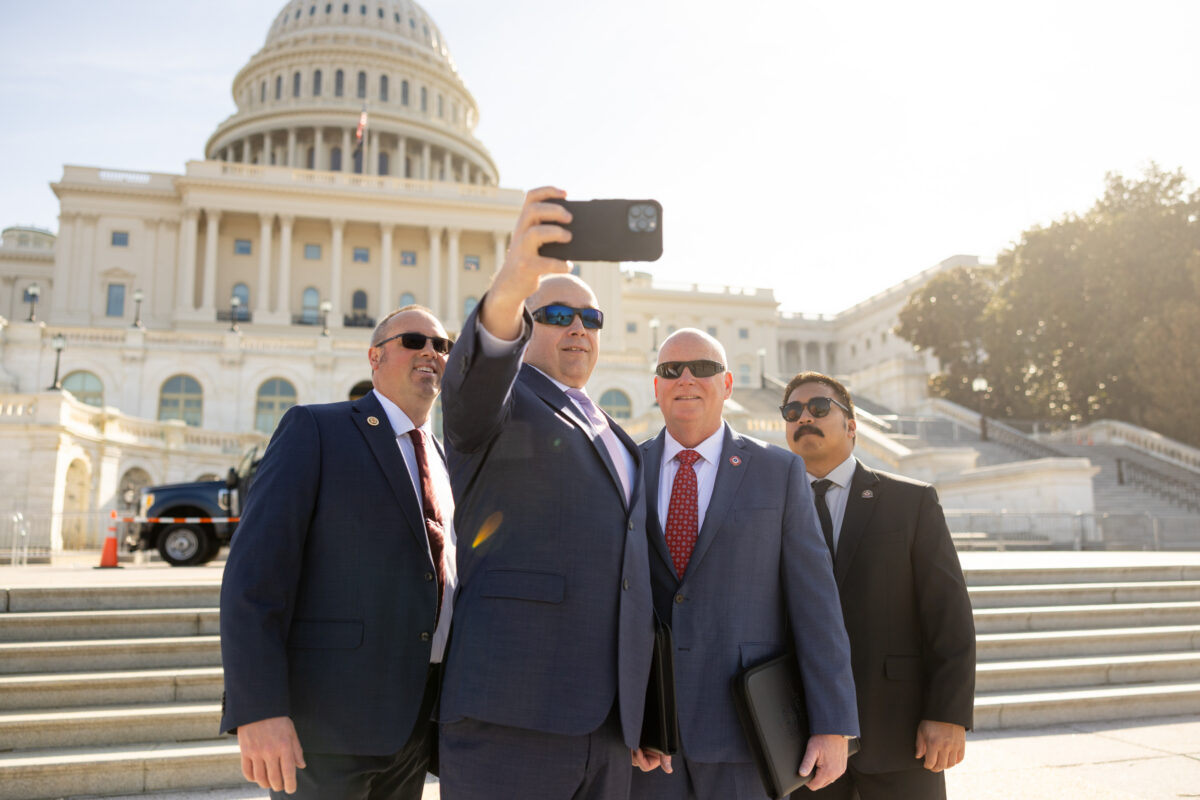
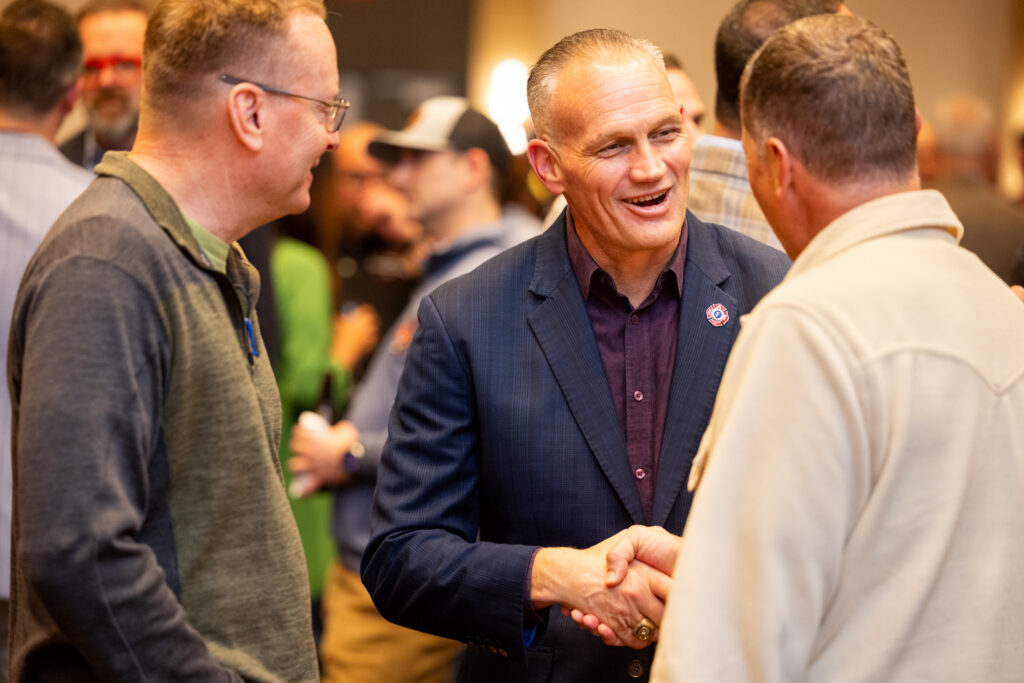
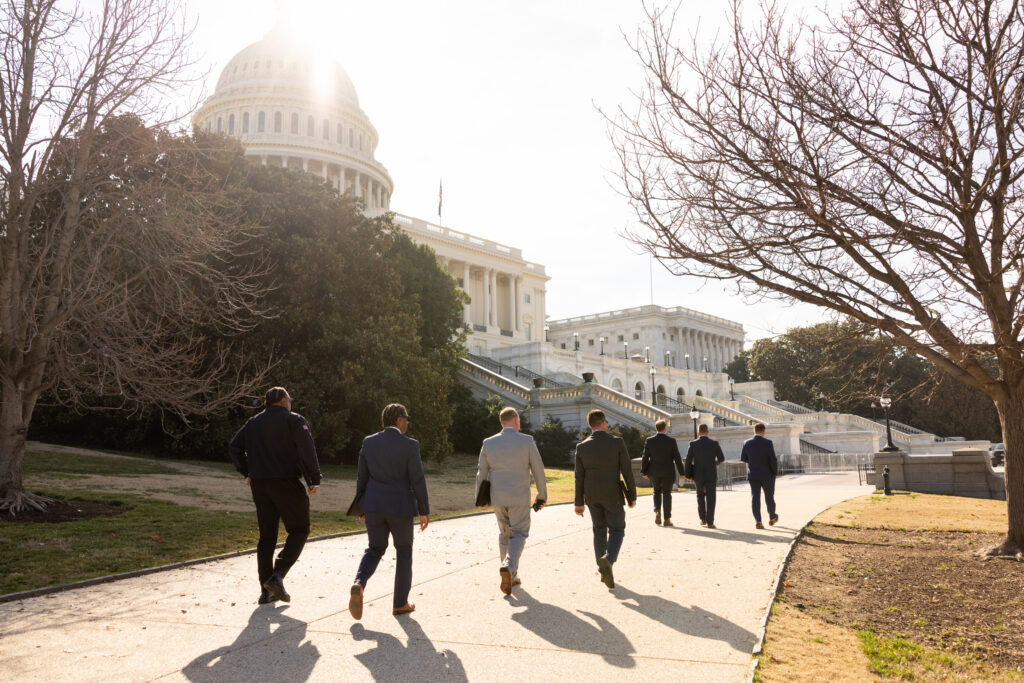
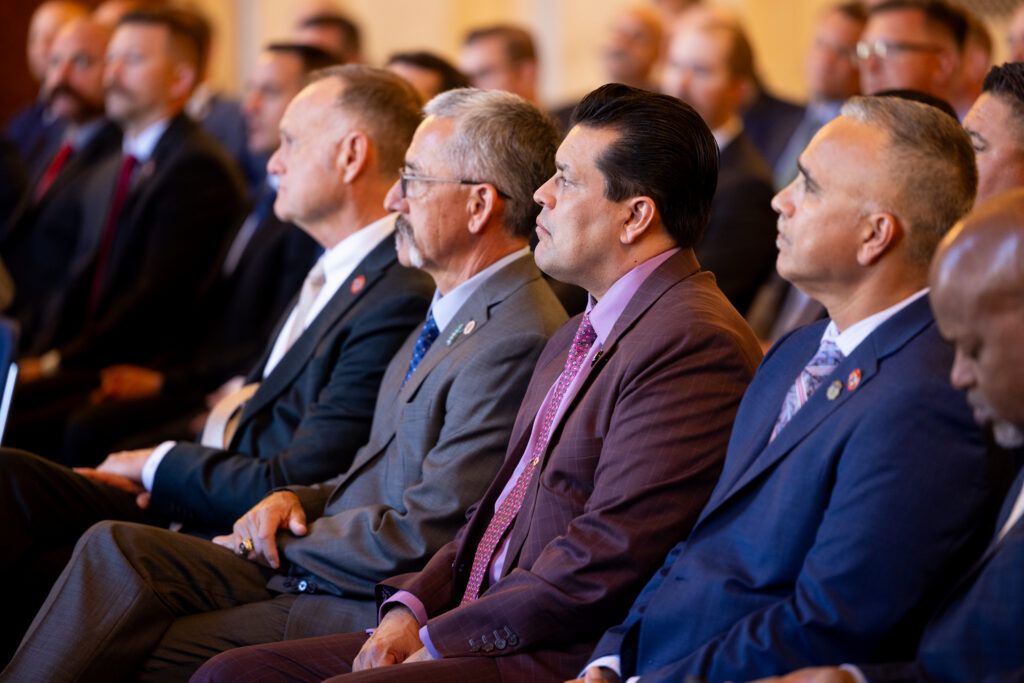
This week, members of Local 1314 brought that experience to Capitol Hill for the Alfred K. Whitehead Legislative Conference, joining hundreds of IAFF members from across the United States to press lawmakers on staffing, safety, and workplace protections.
“Only six of our frontline apparatus are staffed with four fire fighters. The rest, including our ladder trucks, are understaffed,” Local 1314 President Michael O’Reagan said.
“Worse still, we are also feeling the brunt of the apparatus crisis,” O’Reagan said. “We have been waiting on a new ladder truck for more than a year, and we’re expecting to wait another two-and-a-half.”
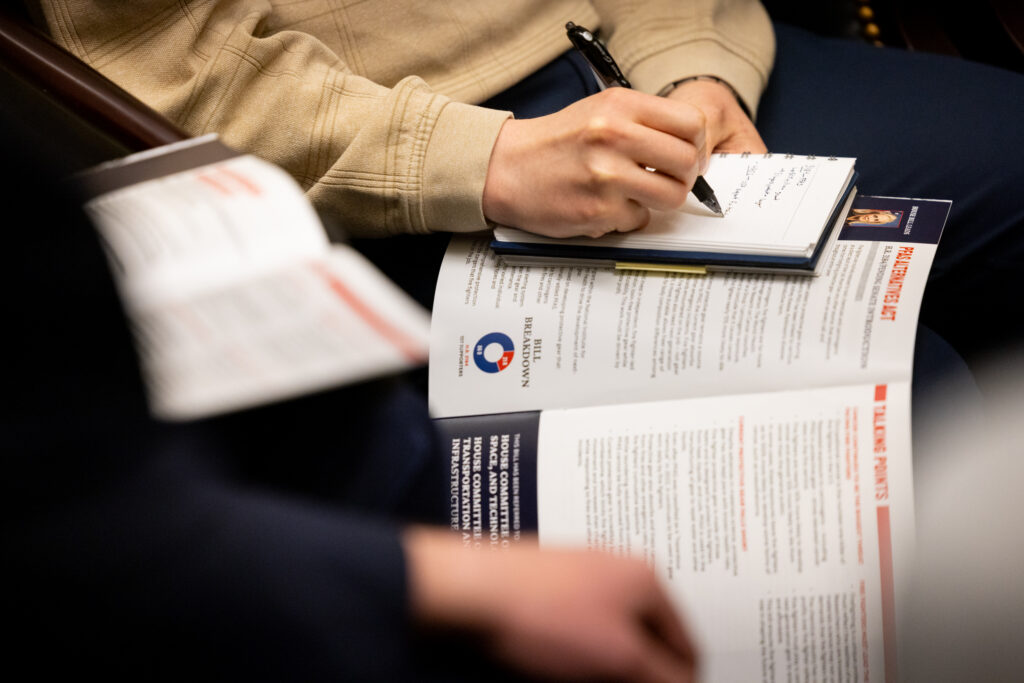
More than 700 IAFF members from over 270 Locals spent the week pushing for next-generation protective gear, wildfire response training, the Public Safety Officer Free Speech Act, stronger protections for federal fire fighters, and national collective bargaining rights.
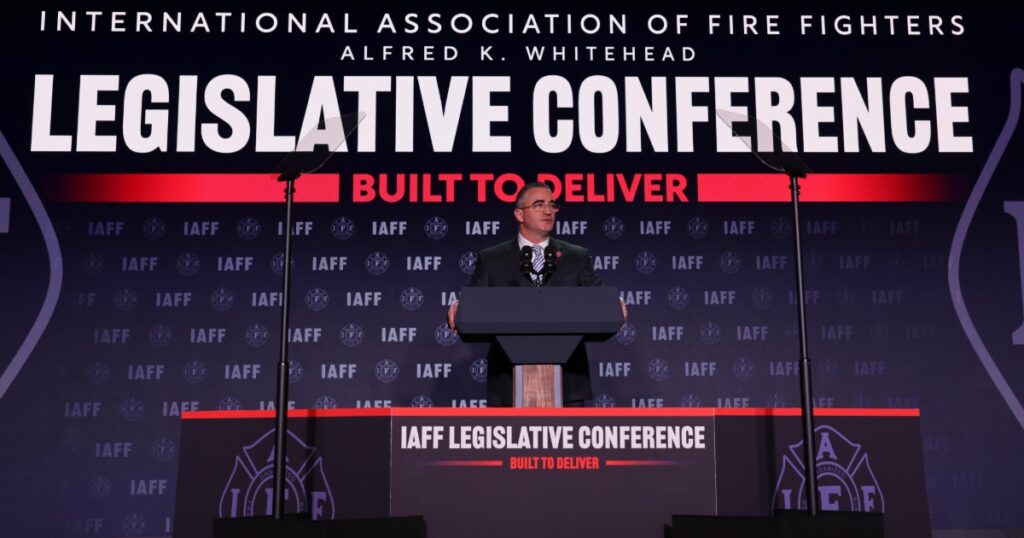
General President Edward Kelly told conference attendees that lobbying is crucial to the benefit of members across the country.
“When you meet with your members of Congress and their staffs, you’ll be speaking directly with the people responsible for decisions that affect your safety, our families, and the communities we took an oath to protect,” he said. “Your stories help them understand the risks we take and the oaths that we take as fire fighters.”
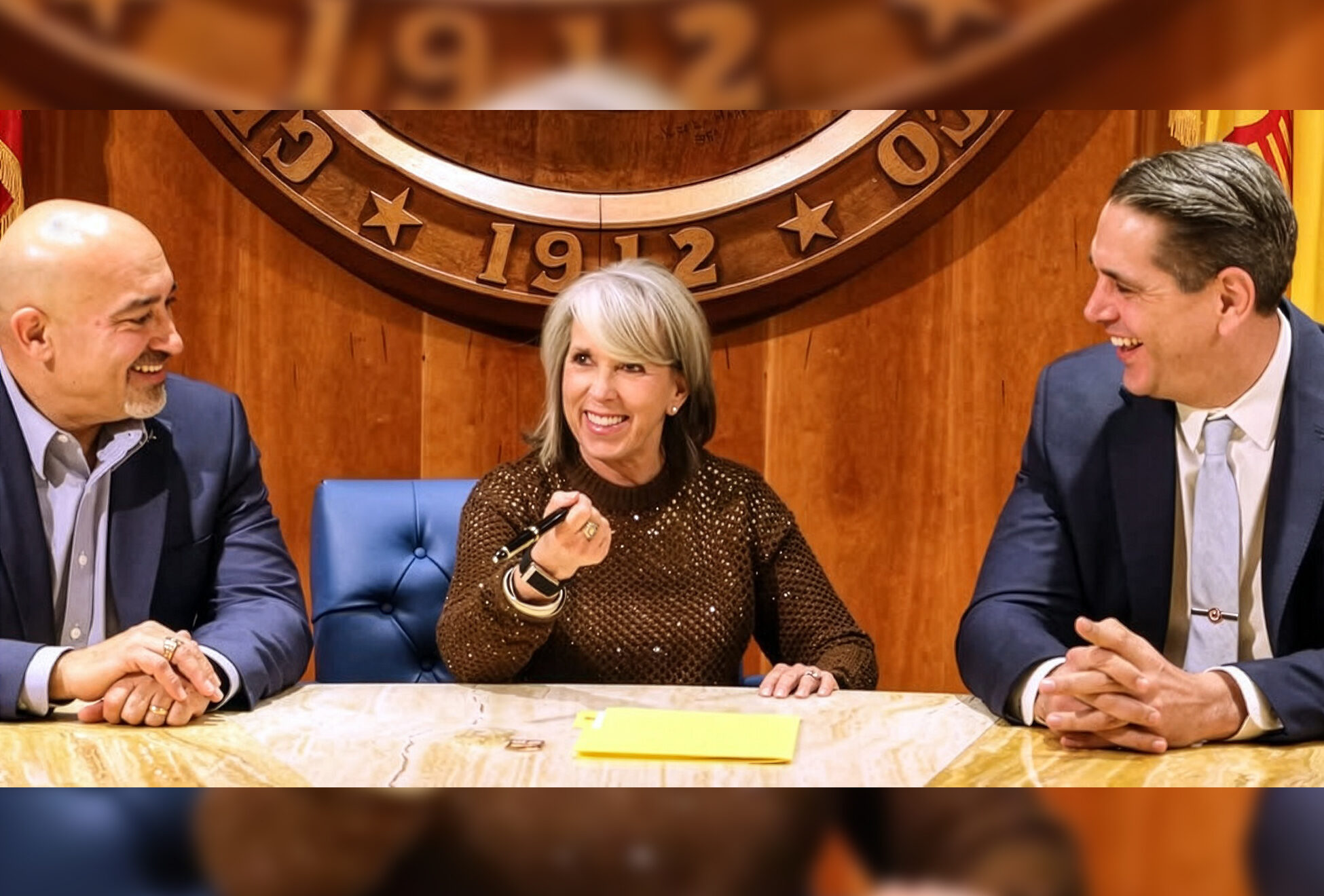
Minnesota Professional Fire Fighters President Scott Vadnais said congressional leaders really do listen, and relationships are built that carry forward.
“You really know politicians support you when they call you to get your advice on how they should vote,” he said.
Vadnais noted that –like the fire fighters in Massachusetts – Minnesota fire fighters are talking to their members of Congress about safe staffing and the importance of keeping the Staffing for Adequate Fire and Emergency Response (SAFER) grants funded.
In Minnesota, many departments were staffed with volunteers until about 15 years ago. As fire departments began to add full-time, paid fire fighters, the MPFF began organizing an average of one new Local a year.
“What we found was that many municipalities and jurisdictions were not financially prepared to hire enough fire fighters all at one time. That’s where the SAFER grants have been invaluable,” Vadnais said. “So, we are here to ask our senators and congressional delegation to continue to ensure funding for the grants.”
The MPFF is also lobbying for passage of the Public Safety Officer Free Speech Act. If passed, it would allow fire fighters and other public safety personnel to speak publicly about job-related issues without fear of retaliation.
Vadnais noted that fire fighters have faced disciplinary action for making social media posts about residency requirements. The incident escalated to the point where the member’s case qualified for the IAFF Guardian Policy. A settlement was issued, and the fire fighter transferred to a different department.
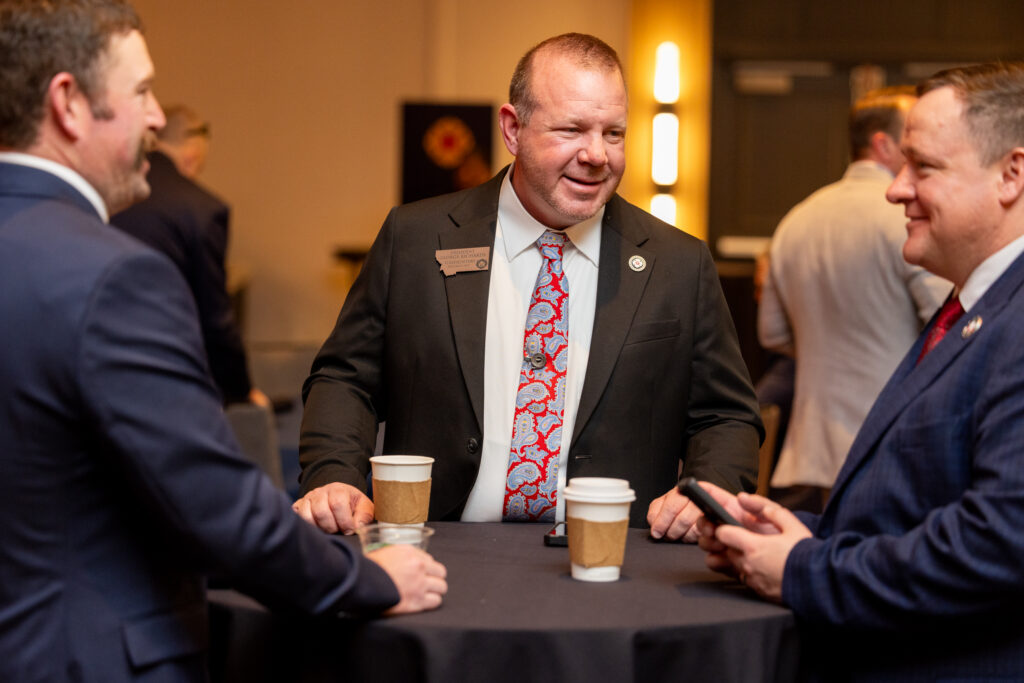
Montana State Council of Fire Fighters President George Richards said free speech has also been an issue in his state.
“This issue has gone beyond union leaders in our state. Even fire marshals who have brought up concerns regarding adherence to building codes have experienced backlash,” Richards said.
Richards is also hopeful his congressional delegation would help with one of their biggest concerns, ensuring worker’s compensation coverage for fire fighters diagnosed with post-traumatic stress disorder.
“We received overwhelming support in both chambers of the state legislature, but the governor vetoed the bill,” he said. “Our members are exposed to trauma on a daily basis. They should be able to get the assistance they need so that they get healthy and return to work.”
Most meetings with congressional leaders wrapped up Wednesday afternoon. But those important political connections are now established for many IAFF affiliates, which will allow these discussions to continue even after they go back to their home states and communities.
“Make no mistake, those wins don’t happen unless fire fighters show up and make their voices heard,” Kelly said. “And that is why we are in Washington this week, because the work we have to do continues.