The IAFF will lead two virtual wildland firefighting safety workshops for the Canadian Standards Association (CSA) later this month.
The CSA, which develops national safety and standards guidance, invited the IAFF to submit proposals for the workshops in late 2025. Both proposals were accepted.
The first workshop, on Feb. 24 titled Comparative hazards, controls and training effectiveness, examines occupational hazards, control strategies and training models across urban structural, wildland and wildland-urban interface (WUI) firefighting.
The second workshop, on March 3, titled SGBA+, workforce systems, and capacity interfaces, will examine how sex and gender-based analysis considerations, workforce structures and interagency reliance influence occupational health and safety outcomes in wildland and WUI firefighting.
The CSA is distributing invitations to wildland firefighting and health and safety stakeholders across Canada, including IAFF members, the broader fire service, provincial and federal agencies, Indigenous communities and academia.
Every day, the IAFF is actively shaping how fire fighters are trained and protected. We’re proud to work with CSA to advance the safety of fire fighters on the frontlines of Canada’s wildfires.
general president edward kelly
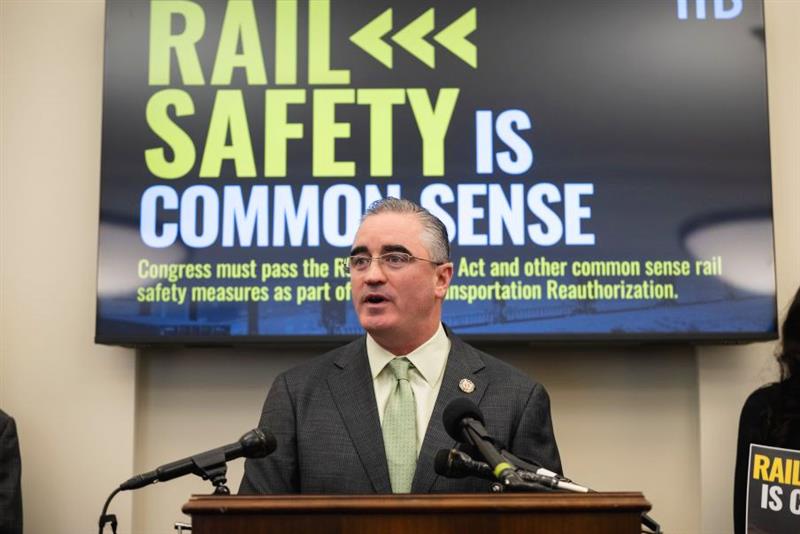
General President Edward Kelly said the CSA’s decision to partner with the IAFF is a testament to the union’s status as a leader in fire fighter health and safety.
“Every day, the IAFF is actively shaping how fire fighters are trained and protected,” he said. “We’re proud to work with CSA to advance the safety of fire fighters on the frontlines of Canada’s wildfires.”
More than 1,000 IAFF members in Canada have completed the IAFF’s Responding to the Interface (RTI) training, which prepares fire fighters to safely and effectively operate in WUI areas. The training is supported through an agreement with the Government of Canada, which has funded the IAFF RTI program in the amount of $1.8 million through March 2027.