Twenty-four years after the Sept. 11 attacks, diseases tied to Ground Zero exposure are still claiming fire fighters’ lives.
For many, the World Trade Center Health Program (WTCHP) has been a lifeline. Established by the James Zadroga 9/11 Health and Compensation Act of 2010, the program is authorized to provide presumptive health care coverage for those diagnosed with cancer and other chronic diseases due to their work at the World Trade Center following the Sept. 11 attacks through 2090.
But as the full extent of the exposure is realized, and an increasing number of responders are diagnosed with chronic illnesses, the program stands at a crisis point. Without a correction, the WTCHP faces a projected funding shortfall that will bar new enrollees by 2028 and curtail services for current enrollees by 2029.
“Our promise to ‘never forget’ is not only about remembering – it is about action,” General President Edward Kelly said. “It is about guaranteeing that the thousands of fire fighters and first responders who answered the call at Ground Zero – and their families – continue to receive the care they need without question and without interruption.”
Our promise to ‘never forget’ is not only about remembering – it is about action. It is about guaranteeing that the thousands of fire fighters and first responders who answered the call at Ground Zero – and their families – continue to receive the care they need without question and without interruption.
General President edward kelly
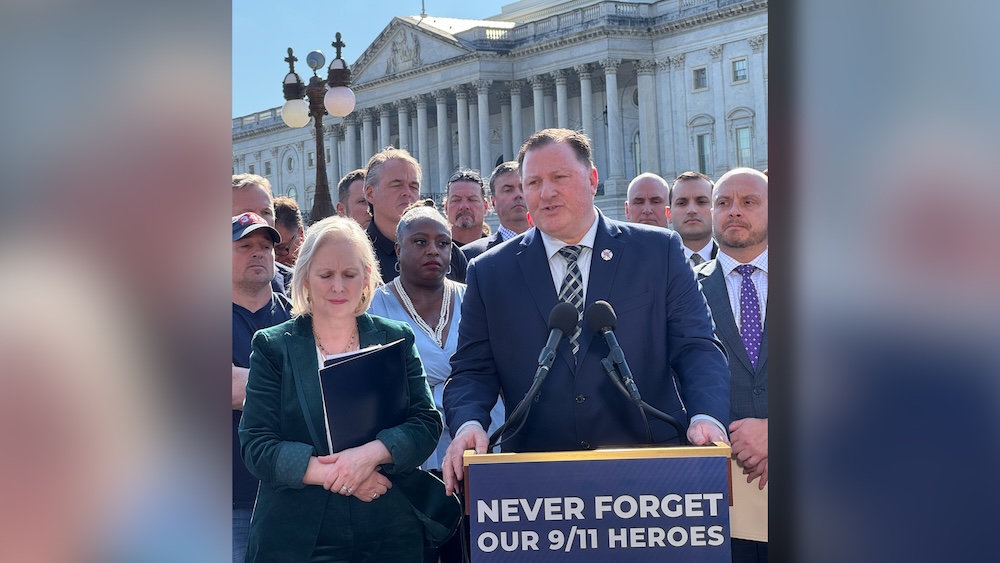
The IAFF, with New York’s Uniformed Firefighters Association (UFA) Local 94, Uniformed Fire Officers Association (UFOA) Local 854, and 1st District Vice President James Slevin, is leading the fight to save the program, urging Congress to pass the 9/11 Responder and Survivor Health Funding Correction Act (H.R. 1410).
The legislation is led by New York Reps. Andrew Garbarino (R) and Jerry Nadler (D), and Sen. Kirsten Gillibrand (D-N.Y.). The bipartisan bill would update the WTCHP funding formula to “future-proof” the program, accounting for increases in enrollees and rising healthcare costs.
“Thousands of Local 94 members rely on the program for their health care coverage, related to their illnesses and injuries on 9/11 and in the years that followed,” said UFA President Andrew Ansbro. “We have, unfortunately, continued to lose around three members a month to WTC-related diseases.”
Since the 2001 attack, 409 FDNY members have died from related cancers and illnesses.
Ansbro was a rookie fire fighter when the towers fell. His first fire on the job was during Sept. 11.
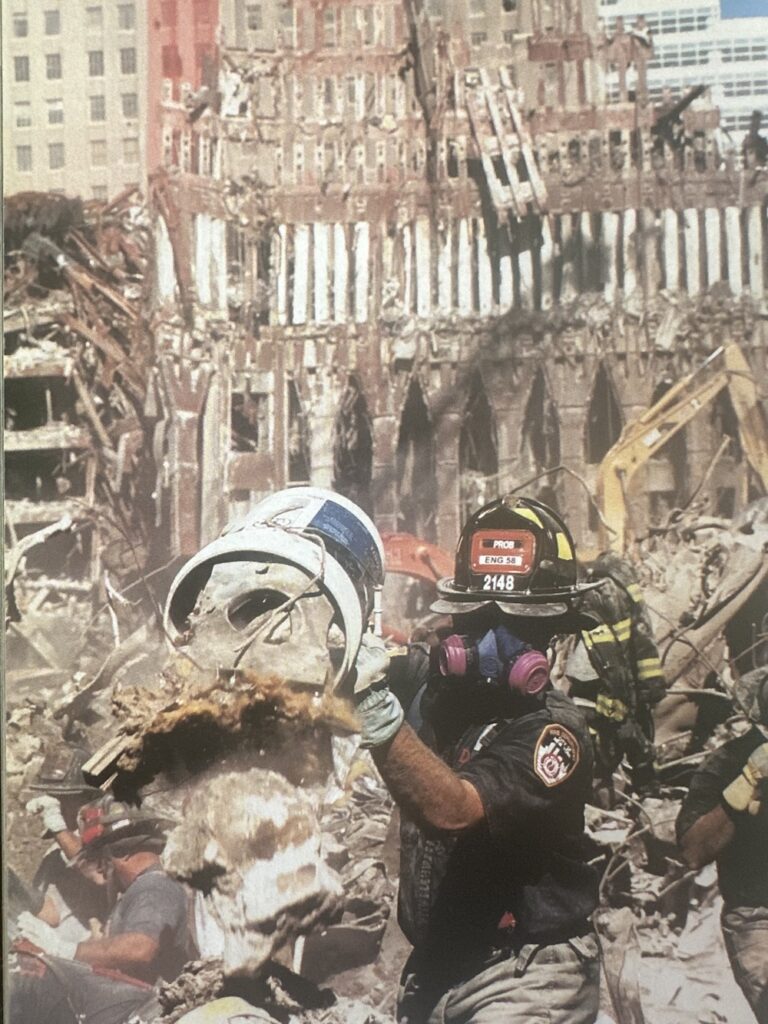
“I receive inhalers from the WTCHP. I’ve had multiple skin cancers treated by the program,” he said. “My father was an NYPD police chief on 9/11 and he was there for the recovery effort as well. Two years ago, he passed away from WTC-related cancer.”
But he worries that national memory is fading along with the political will to act.
“My biggest worry is that as time goes on, people forget, even as the number of people in the World Trade Center Health Program keeps growing,” he said. “These illnesses can take decades to appear, and now, 24 years later, we’re fighting harder than ever for resources. Every week, someone – fire fighter, police officer, EMS worker, or construction worker – is buried, and it rarely makes the news.”
Every week, someone – fire fighter, police officer, EMS worker, or construction worker – is buried, and it rarely makes the news.
UFA Local 94 president andrew ansbro
The program isn’t just critical for New Yorkers. Thousands of first responders traveled to Ground Zero to assist in the recovery efforts after Sept. 11, meaning there are WTCHP enrollees in every state and in all 435 congressional districts.
“The WTC Health Program is critical for the thousands of first responders already diagnosed with 9/11-related illnesses – and for all those who will be diagnosed in the years to come,” said 1st District Vice President James Slevin. “Any delay or reduction in funding puts their lives at risk.
“We owe it to the fallen, and to all those who risked their lives to help New York recover, to protect this program and ensure it continues delivering care to those who need it most.”
New York IAFF leaders have taken multiple trips to Washington, D.C., to advocate for the program, particularly after cuts from the new administration’s Department of Government Efficiency (DOGE) threatened the WTCHP earlier this year.
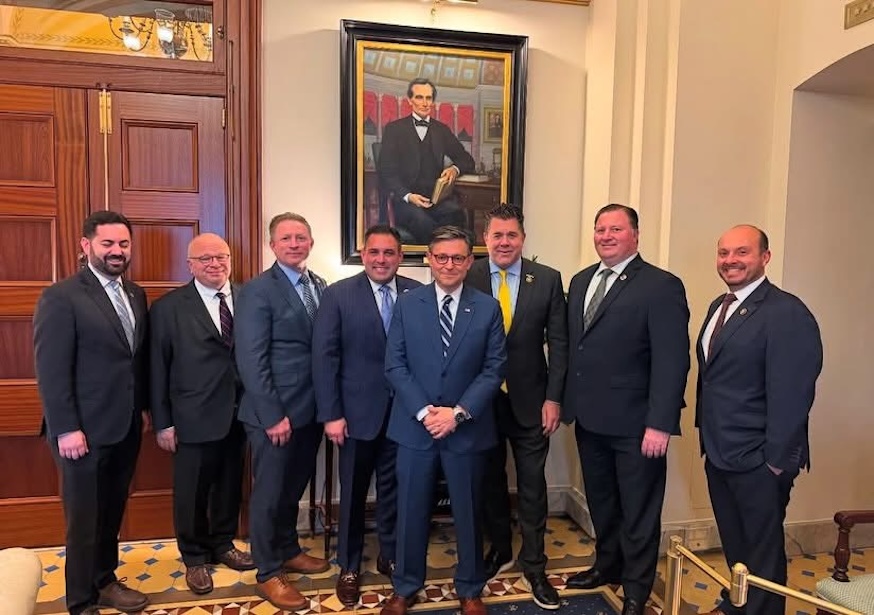
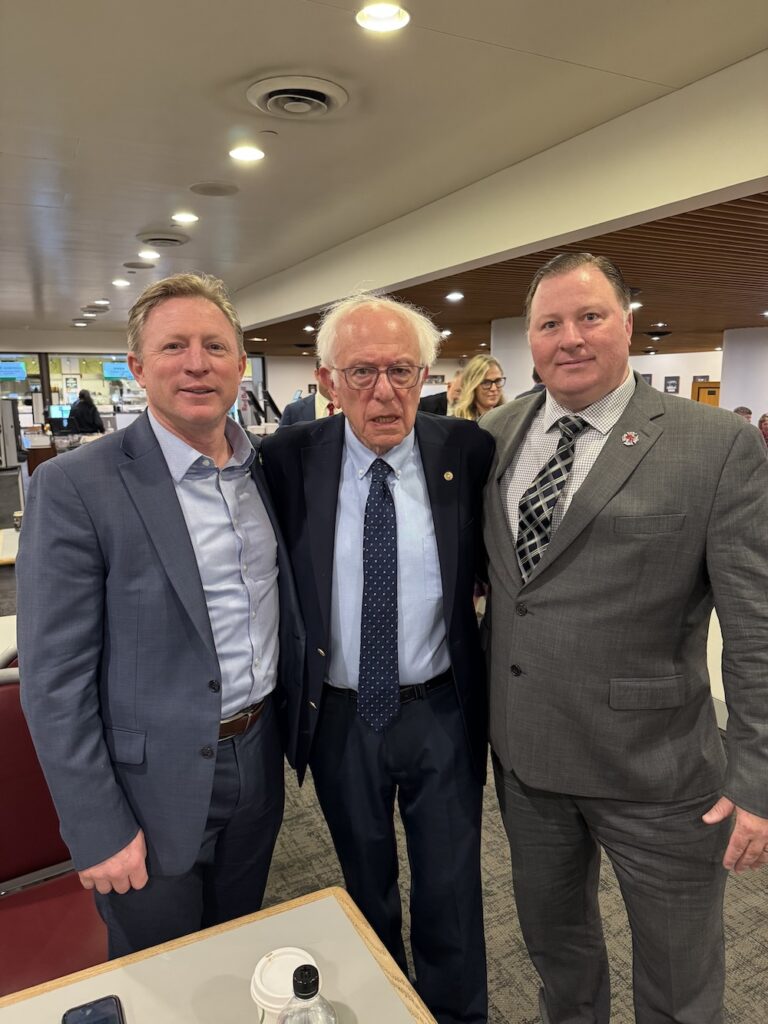
Kelly and the IAFF worked directly with senior administration officials and members of Congress to block those cuts and ensure the program could continue.
Thanks to these efforts, the WTCHP has been restored to nearly pre-DOGE levels. But challenges still remain.
“Lines of communication between Health and Human Services and the 9/11 community have been shut down. Research grants have been paused. We need those lines reopened and those research efforts restarted, especially for identifying emerging illnesses that may need to be added to the program,” said Ansbro.
According to the New York Post, 48,579 first responders and others are diagnosed with Sept. 11-related cancers, a 143% increase over the last five years. The rise is attributed to the “advancing age of the population of Ground Zero responders – most now in their late 50s and 60s.”
“Our nation made a promise after Sept. 11,” Kelly said, “and we intend to hold Congress accountable for keeping it.”
To urge Congress to pass the 9/11 Responder and Survivor Health Funding Correction Act, visit the IAFF Advocacy Center.