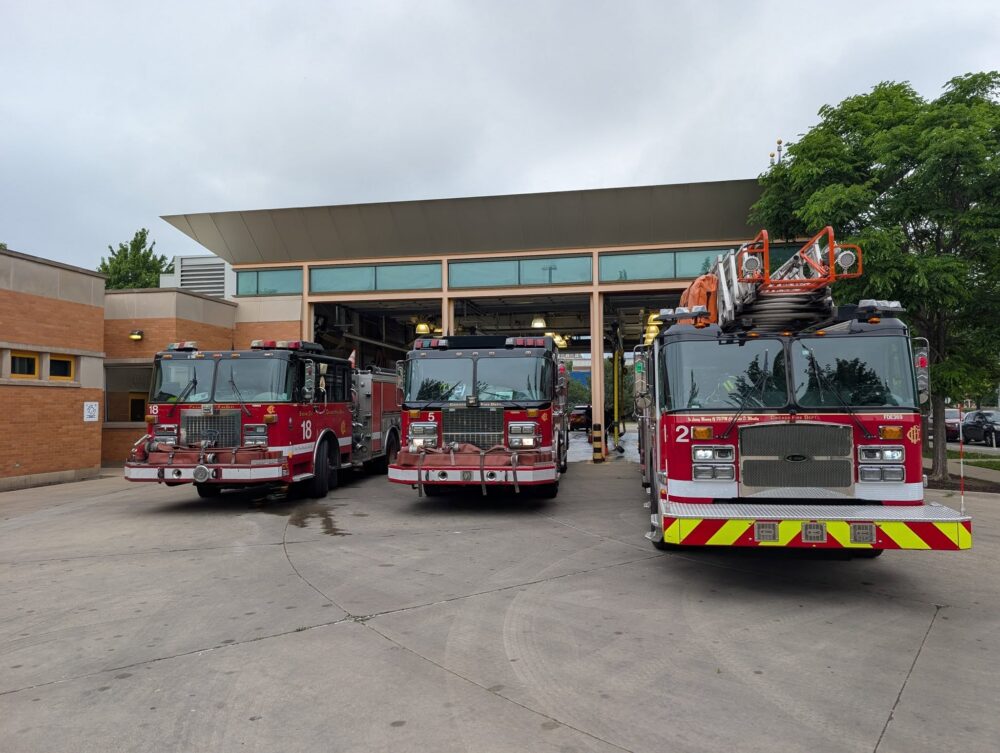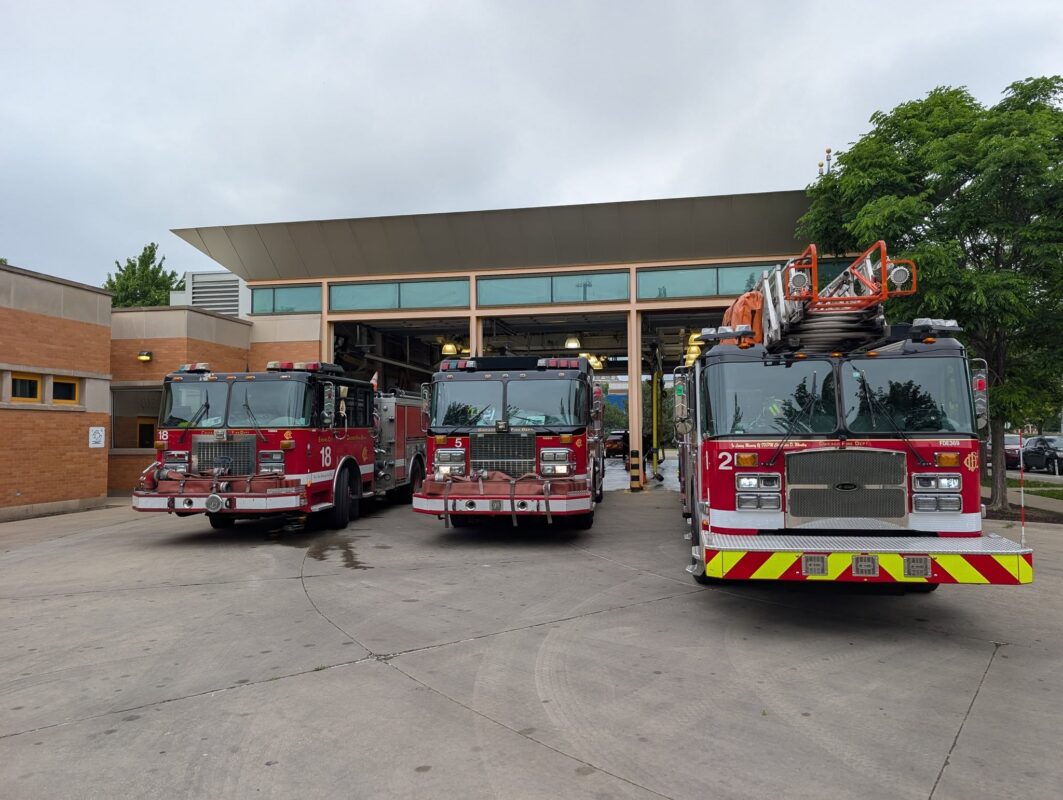
Fire fighters riding around inside long-outdated fire engines and trucks. Apparatus going out of service at critical moments. Crews responding to emergencies wondering whether their equipment would perform when lives were on the line. Chicago’s apparatus crisis had reached a breaking point. Now, the city is investing $100 million to rebuild its fleet.
Local 2 had been raising concerns about the issue for months. Finally, the city authorized one of the largest fire apparatus purchases in its history : 42 pumpers, 38 ladder trucks, and 40 ambulances.
The purchase underscores a reality fire fighters across North America know well: when aging rigs stay on the road too long, reliability becomes a safety issue – placing lives and the safety of first responders at risk. As the IAFF continues sounding the alarm on market consolidation and replacement challenges, Chicago offers a clear example of the costs of waiting.
“The manufacturer has assured us that a purchase of this size means that our order will get its own, dedicated assembly line. And that means our delivery times will be sooner,” Local 2 President Erik Steinmetz said. “The first part of our order is expected to be delivered in 18-20 months. Then, we expect 15-20 apparatus to be delivered annually until our order is completely filled.”
In June 2025, fires were intentionally set in both stairwells of a Chicago residential building. Tower Ladder 14 was dispatched to rescue trapped victims. But when fire fighters tried to use it, the ladder failed to deploy. Crews had to shut down the truck, reset the system, and try again.
The delay lasted about a minute – valuable time during a fire that killed four people.
Then, in January, a fire ignited in the Roseland area of Chicago. The first two pumper engines on scene were unable to pump water onto the fire. Both engines were past their expected service life.
“We have multiple apparatus over 20 years old. In fact, one of our reserve engines is from 1994,” Steinmetz said. “It’s just mind-blowing to realize that our fire fighters are responding to 800,000 calls a year on apparatus that is often older than they are.”
The IAFF has urged the Department of Justice (DOJ) and Federal Trade Commission (FTC) to investigate REV Group, Oshkosh, and Rosenbauer over business practices the union says have driven up costs and extended apparatus delivery delays.
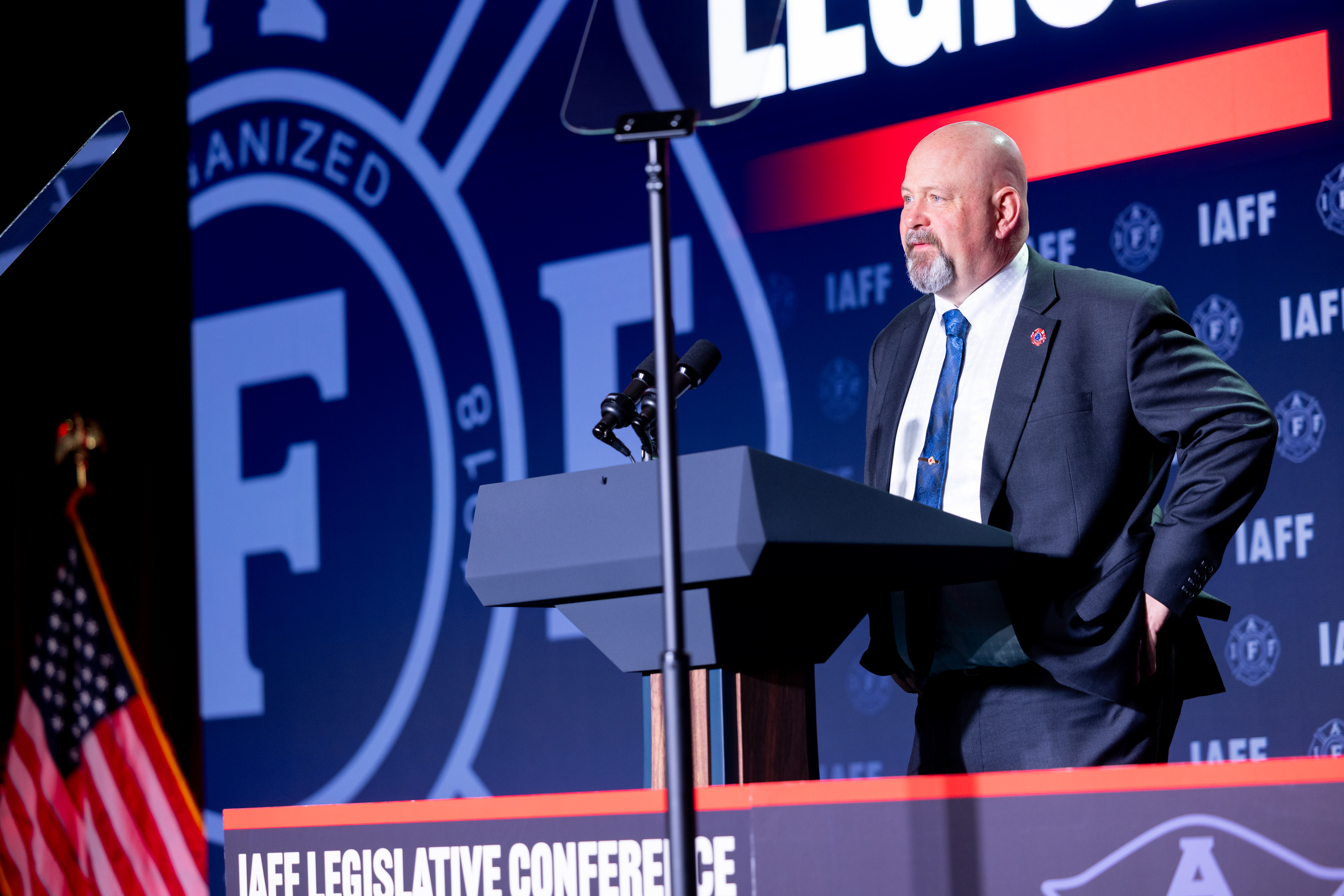
In late 2025, General President Edward Kelly also testified before a U.S. Senate committee, warning that consolidation in the fire apparatus industry was creating challenges for departments across North America and making it more difficult for fire fighters to get the equipment they need.
“Steadily and purposefully, apparatus manufacturers have rigged the game. Taking a well-used page out of the corporate big money playbook, a small group of manufacturers have caused prices of fire engines and ladder trucks to balloon in recent years,” General Kelly testified. “This market manipulation has created a clear and present danger.”
IAFF affiliates who have been affected by apparatus delays and price increases can share their story at iaff.org/apparatus-form.